REVIEW · COOKING CLASSES
Hands-On Bolo do Caco Baking Class with a Madeiran Family
Book on Viator →Bookable on Viator
Few foods feel more Madeiran than Bolo do Caco. This small-group baking class takes you into a family kitchen where Tonia and her aunt guide you through the bread’s role on the island, then you roll up your sleeves and make it yourself.
I love how personal it is: you learn from someone with decades of bread-making skill, and you get real time to practice dough, shaping, and timing. I also love the payoff at the table—warm bread paired with Madeiran favorites like garlic butter, Portuguese cheese, and chouriço, with the mountains quietly framing the moment. One possible drawback: since it’s a hands-on experience in a home kitchen, you’ll want comfortable clothes you don’t mind getting flour on, and you’ll be working at close range with the group.
In This Review
- Key things to know before you go
- Where Bolo do Caco Cooking Starts to Feel Like Madeira
- The Family Kitchen Lesson: History, Hands, and Hot-Stone Bread
- What you’ll actually do (not just watch)
- Shaping Dough by Hand: Why This Part Is the Real Skill
- Wear something easy to move in
- The Tasting Table: Garlic Butter, Portuguese Cheese, and Chouriço
- The Setting: Mountains, Warmth, and a Real Family Pace
- How Much Time You Need (and How It Fits a Madeira Day)
- Who this is best for
- Price and Value: How to Judge Whether This Class Is Worth It
- Tips to Make the Most of Your Session
- Should You Book This Bolo do Caco Class?
- FAQ
- Is the Bolo do Caco class offered in English?
- How long is the experience?
- Where do I meet for the class?
- Is this class hands-on or mostly observation?
- Are kids and babies allowed?
- Are service animals allowed?
- What is the cancellation policy?
Key things to know before you go
- Small group size (up to 5): you get space to work and ask questions without feeling rushed.
- A family-home setup: you’re treated like a friend, not a customer, so expect an informal, warm atmosphere.
- Practice kneading and shaping: you won’t just watch—your hands make the bread.
- Hot stone cooking: the bread cooks the traditional way, and the kitchen smell is part of the lesson.
- Eat what you make: you finish by gathering around the table with Madeiran specialties.
- English-friendly: the class is offered in English.
Where Bolo do Caco Cooking Starts to Feel Like Madeira
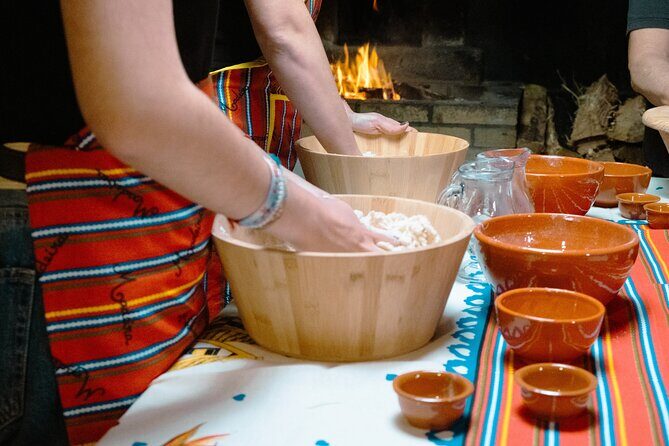
Madeira has plenty of food to try on your way around the island, but Bolo do Caco is the one that feels tied to daily life. In this class, the point isn’t just learning a recipe—it’s understanding why this bread matters locally, and then getting your hands into the process.
You meet at Travessa do Lombo do Alho, 9360, Portugal. From there, the experience stays rooted in one setting: the family home kitchen. It ends back at the same meeting point, so you’re not juggling transfers or adding stress to a short stay.
If you like food experiences where you leave with a skill (and a stomach full of good bread), this one works. And because it’s max 5 travelers, it feels like a small circle rather than a production line.
You can also read our reviews of more tours and experiences in Madeira.



The Family Kitchen Lesson: History, Hands, and Hot-Stone Bread
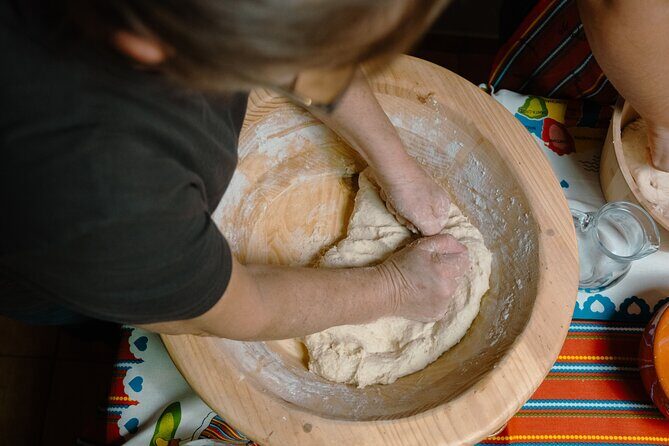
The session starts with a welcome into the home and an introduction to Bolo do Caco’s cultural significance. You’ll hear the story behind this traditional bread—why it’s considered iconic on Madeira and how it fits into island food traditions.
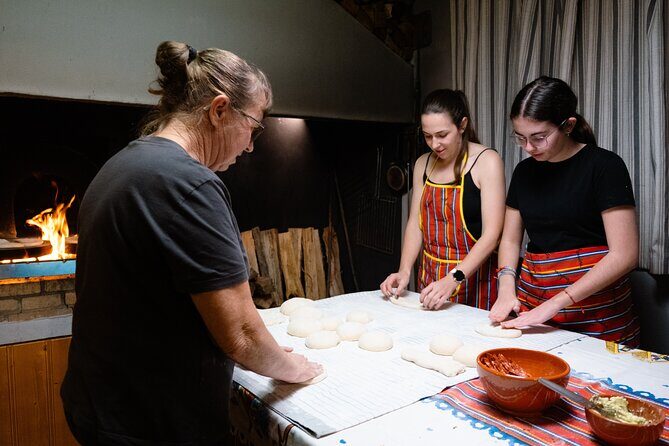
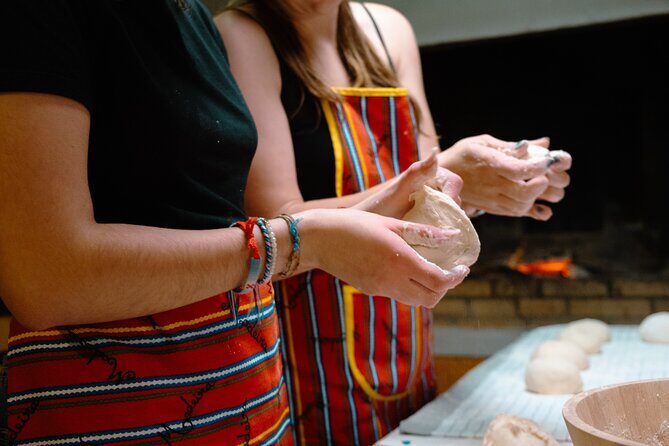
Then it’s time to work. You’ll knead the dough and shape it by hand, which matters because Bolo do Caco isn’t about complicated tools. The craft is in feel: the dough texture, the pressure you use, and how you form the bread so it cooks well on the stone.
A key part of the experience is cooking it on a hot stone. This is one of those details you don’t appreciate until you’re standing near it. The bread gets warm fast, and you can smell it as it cooks. The kitchen atmosphere is also part of the deal—expect laughter, stories, and that lived-in feeling that you only get in a real family space.
What you’ll actually do (not just watch)
You should expect to actively participate in:
- kneading the dough
- shaping the bread by hand
- observing (and learning from) how it cooks on the hot stone
That hands-on structure is where the experience becomes memorable, not just tasty.
Shaping Dough by Hand: Why This Part Is the Real Skill
When cooking classes are mostly a demo, you leave thinking you watched bread happen. Here, you’ll spend time using your hands. That difference is big.
Kneading teaches you more than one texture check. It trains your attention. You start noticing how dough changes as you work it—how it smooths out, how it stops being sticky, and how your shaping decisions affect the final look. It’s a short session, so you’re not trying to become a professional baker, but you do learn enough to understand the basics.
If you’re the type who likes doing things rather than photographing things, this will feel satisfying. If you’re nervous about getting it wrong, that’s normal. In a small family setting, there’s usually room for correction and encouragement. The vibe is friend-like rather than strict, which makes it easier to relax and focus.
Wear something easy to move in
The class is hands-on and you’ll be near the work surface. Wear comfortable clothes that can handle flour dust. It’s not a museum moment; it’s a working kitchen moment.
You can also read our reviews of more tours and experiences in Madeira

The Tasting Table: Garlic Butter, Portuguese Cheese, and Chouriço
At the end, you don’t just get a small bite. You gather around the table and enjoy what you made. This is where the class flips from cooking lesson to full Madeiran meal vibe.
You’ll have Bolo do Caco paired with Madeiran specialties including:
- garlic butter
- Portuguese cheese
- chouriço
This pairing is practical, too. Bread like this is meant to be eaten with toppings and flavors that complement its soft yet hearty structure. Garlic butter adds punch. Cheese brings richness. Chouriço adds a savory, smoky element that makes the whole thing feel like a real island table rather than a snack break.
Also, it helps you learn by tasting. After shaping and cooking, you can connect your dough choices to the bread’s final texture. That’s how cooking classes stick in your memory.
The Setting: Mountains, Warmth, and a Real Family Pace
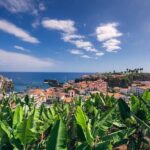
One reason this experience feels different is the combination of home warmth and the calm backdrop outside. Even without a planned sightseeing stop, you still get a sense of place because the mountains are part of the atmosphere.
Inside, you’re in a kitchen with stories and a relaxed pace. That’s important because it changes how you experience time. A lot of tours rush. Here, you can slow down, ask questions, and enjoy the moment while bread is actually cooking.
The reviews highlight that Tonia and her aunt are kind and accommodating, and that you should feel treated like a friend. That lines up with what this format generally creates: fewer awkward moments, more conversation, and a more natural learning environment.
How Much Time You Need (and How It Fits a Madeira Day)
The class runs about 3 hours. That’s a sweet spot. It’s long enough for hands-on practice and a proper sit-down meal, but not so long that it drains your whole day.
Because the experience starts and ends at the meeting point, you can plan it like a simple block in your schedule. If you’re trying to choose between a quick food taste and a true cooking activity, this one leans toward the second option.
Who this is best for
This fits well if you:
- want hands-on cooking in a small group
- enjoy traditional local food over flashy tourist meals
- like family-run experiences and casual conversation
- prefer an English guide for clear instruction
It’s also a strong pick for couples or friends who want something interactive without feeling like a classroom.
Price and Value: How to Judge Whether This Class Is Worth It
You’ll see the class offered as a small, guided, hands-on experience, but pricing details aren’t included here. So how do you judge value?
Focus on what you’re getting:
- a real baking lesson (kneading, shaping, hot-stone cooking)
- a sit-down tasting that includes Madeiran specialties
- instruction in English
- a family-home setting rather than a large commercial space
- a maximum group size of 5, which usually means more attention
If you compare this to bread tasting tours where you just sample and leave, the hands-on portion is the value driver. You’re not only eating Bolo do Caco—you’re learning how it’s made and why it works.
Tips to Make the Most of Your Session
A few practical things will help you get the best experience:
- Dress for flour. Comfortable clothes matter more than style here.
- Arrive ready to work. This isn’t passive. You’ll knead and shape.
- Ask questions while cooking. The small group size makes this easier than in larger classes.
- Pay attention to the bread as it cooks. The hot stone step is part of the lesson, not background noise.
- Go hungry for the table. The meal portion is a real part of the experience.
And if you’re traveling with family, this is one of the few food activities where kids and babies are explicitly welcome, with space for them to play without disruption. That’s a big deal if you’re trying to find something that won’t feel awkward with little ones tagging along.
Should You Book This Bolo do Caco Class?
If you want a Madeira food experience that goes beyond eating and actually teaches you something, I think this is a yes for most people. The small group size, the hands-on shaping and hot-stone cooking, and the warm family-table tasting with garlic butter, Portuguese cheese, and chouriço create a complete arc: learn, make, eat, and leave smiling.
I’d skip it only if you strongly prefer structured, large-group tours with lots of downtime, or if you can’t handle the idea of getting a bit messy in a home kitchen. Also consider asking ahead about any dietary needs, since the class includes specific pairings (garlic butter, cheese, chouriço) that aren’t described as customizable.
If you’re choosing one hands-on culinary memory in Madeira, this is the kind that sticks.
FAQ
Is the Bolo do Caco class offered in English?
Yes. The class is offered in English.
How long is the experience?
It runs about 3 hours.
Where do I meet for the class?
The meeting point is Travessa do Lombo do Alho, 9360, Portugal. The activity ends back at the same meeting point.
Is this class hands-on or mostly observation?
It’s hands-on. You’ll knead the dough and shape the bread yourself, and you’ll cook it on a hot stone.
Are kids and babies allowed?
Yes. Kids and babies are welcome, and there is space for them to play without disrupting the experience.
Are service animals allowed?
Yes. Service animals are allowed.
What is the cancellation policy?
Free cancellation is available. You can cancel up to 24 hours in advance for a full refund; cancel less than 24 hours before start time and the amount paid is not refunded.