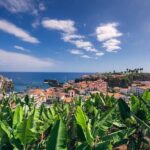
Madeira’s money stories hide in plain sight. On this 2-hour walking tour in Funchal, I like how you connect everyday streets to wine and sugar—two crops that helped shape the island’s role in Portuguese expansion overseas. You get a guide-led walk through the older parts of town, with stops that tie the city’s buildings to trade, not just pretty views.
I especially love the focus on how Madeira became a control base for Portuguese activity across the Atlantic and Indian Ocean. And I really appreciate the small group feel—one review mentioned the guide was Julia, and she brought the history to life in a very personal way. The concept behind the History Tellers model also impressed me: the tours support Madeiran students, which adds a good reason to care.
One thing to consider: if you’re traveling in June, you should ask ahead whether any sugar-focused museum stop is running. A review flagged that a sugar museum was closed for the whole month, and that affected how much sugar-industry detail the group got.
In This Review
- Key things to know before you go
- Why Madeira’s Wine and Sugar Matter More Than You Think
- Meeting Your History Teller at Funchal’s Jesuit Quarter and La Vie
- A 2-Hour Walking Route Through Funchal’s Old Streets
- Cathedral and Customs House: Buildings Paid For by Sugar
- Madeira Wine Culture: The Island’s Global Influence, Told Human-Style
- Sugar’s Dominance: How It Shaped Funchal’s Center
- The Guides and the Value of a Tour with a Purpose
- Price, Group Size, and What $42 Really Buys
- Who This Tour Fits Best (and Who Should Skip)
- Quick Booking Checklist Before You Step Off
- Should You Book This Wine and Sugar Walking Tour?
- FAQ
- How long is the Wine and Sugar Walking Tour?
- Where do I meet the guide?
- Is this tour mainly walking?
- Is food included in the price?
- Is it a private tour?
- What if I need to cancel?
Key things to know before you go
- Small-group, private-to-your-party feel: Only your group joins, so you’re not shouting over a crowd.
- Two-hour walking pace: It’s a concentrated walk through Funchal rather than a drive-and-stop tour.
- City buildings with a trade backstory: The cathedral area and the customs house connect to the money from sugar.
- Wine and sugar, both covered: You’re not stuck in only wine tastings or only sugar exhibits.
- Portuguese expansion context: You’ll hear how Madeira supported Portuguese operations across ocean routes.
- Meet at History Teller’s location: The meeting point is tied to Naturalmente Português at La Vie Shopping Center (double-check the exact corner listed).
Why Madeira’s Wine and Sugar Matter More Than You Think
Wine and sugar aren’t just “Madeira things.” They’re the island’s business model, in human form. On this tour, I like that you learn why these crops mattered for trade and why they helped Portugal project power and commerce across the oceans.
You’ll also get a sense that Madeira wasn’t a backwater waiting to be discovered. The guide frames the island as a long-used control point—especially important for Portuguese movement across the Atlantic and Indian Ocean and along nearby coastal areas. That bigger picture helps the streets of Funchal make sense. The city stops feel less random and more like an economic map.
And yes, you’ll hear about visitors to the island and what they did there—stories that help turn Madeira from a place on a map into a place that attracted people with plans. Even without a single museum “wow moment,” the narrative connection is the point.
You can also read our reviews of more walking tours in Madeira
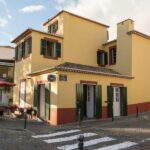


Meeting Your History Teller at Funchal’s Jesuit Quarter and La Vie
The tour meet-up is built around the History Tellers operation, with a listed starting point near the Jesuit College of Funchal and the guide-run shop called Naturalmente Português at La Vie Shopping Center. Because those two references appear together, don’t gamble with the exact door you use.
Bring your mobile ticket, then use the confirmation details to pinpoint where your guide is standing when you arrive. If you’re the type who likes to be early, show up a few minutes before your start time, then get your bearings fast.
This part matters more than it seems. A walking tour lives or dies on the first 10 minutes—if you start confused, the rest of the story feels rushed. Once you’re grouped up, the guide usually sets the tone with what you’ll see and why it connects to wine, sugar, and Funchal’s old trade routes.
A 2-Hour Walking Route Through Funchal’s Old Streets
This excursion is done by foot through Funchal’s historic city center. Expect a steady pace with the kind of stops that let a guide explain, point, and connect dots—rather than just reading facts while you stand still.
The best way to think of the route: it’s a “systems” walk. You’re not only seeing landmarks. You’re learning how the island’s crops fed a global network, and how that network funded city growth. One review summed it up as learning the real Madeira, not the sanitized version. That’s the vibe here.
You’ll also hear about the population and the island’s role as a long-term control base. That context gives you a mental timeline, so each street corner lands as part of the same story. And yes, there’s a stop where you’ll connect with famous visitors to the island and what they undertook here—perfect for getting beyond names-on-a-plaque history.
Cathedral and Customs House: Buildings Paid For by Sugar
Two of the most important “anchor” stops are tied to architecture: the cathedral and the customs house of Funchal. The tour frames them as more than monuments. You learn that sugar money helped pay for the constructions, and that detail changes how you read the buildings.
Here’s the practical payoff: when you see the cathedral area, you can connect the island’s prosperity to faith, civic life, and the desire to look established—because trade wealth made it possible. Then, when you move toward the customs house, the connection shifts to commerce and regulation. Customs is where trade becomes official. It’s where money turns into structure.
Even if you’re not an architecture person, this pairing works because it explains why these buildings exist in this exact place. You come away feeling you understand how Madeira’s economy shaped the city’s spine.
Madeira Wine Culture: The Island’s Global Influence, Told Human-Style
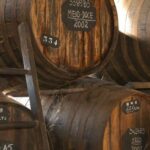
This tour includes Madeira wine culture as a core theme. You’ll learn what Madeira wine meant locally and why it mattered in wider history. The guide also ties it to global patterns, so it’s not just about grape growing.
I like that the tour keeps the wine part in conversation with the island’s expansion story. It gives you a sense that wine wasn’t only a local drink—it was part of how Madeira stayed connected to world routes and how Portugal’s presence traveled with goods.
You’ll also hear about the contributions of Madeira wine to global history. The exact details will depend on your guide’s style, but the takeaway stays consistent: Madeira’s wine story is tied to trade, reputation, and export relationships, not only vineyards.
And if you’re worried you’ll be stuck with a “wine houses only” plan, this tour is more balanced. It pairs wine with sugar, so you get the island’s full economic picture.
You can also read our reviews of more wine tours in Madeira


Sugar’s Dominance: How It Shaped Funchal’s Center
Sugar is the other half of the equation, and the tour treats it as more than a sidebar. You’ll learn how sugar became a dominant crop in the region and how that wealth fed major construction in Funchal’s city center.
This is the section that makes the walking tour worth it even if you’ve already heard the basics about Madeira. Sugar is the reason the city infrastructure has weight. Without sugar wealth, the customs and civic building story would be much thinner.
One review mentioned how the group wanted more sugar-focused content, since they thought they could have visited wine houses on their own. The guide was said to be very knowledgeable, but the tour’s sugar portion depends on what’s open on your dates. Another important note from a review: the sugar museum was closed for the whole month of June, and that reduced how much the group learned about the sugar industry.
If sugar is your priority, I’d treat June bookings as a “verify what’s included” moment. Ask your booking channel or the operator whether any sugar museum stop is part of the experience on your dates, and whether there’s an alternative if it’s closed.
The Guides and the Value of a Tour with a Purpose
The best part of this kind of tour is the guide’s voice. A recent group had a German gap year student guide who delivered an excellent, very knowledgeable-style explanation of the sugar and wine trade. Another review praised Julia for being personable and bringing history to life.
Even without memorizing guide names, look at what those comments have in common: they appreciated how the guide made the story click. That’s what you should expect here—explanations that make the city make sense, not just dates and lists.
There’s also the bigger “why” behind the History Teller model. The tour concept funds Madeiran students, and that matters. You’re paying for information, yes, but you’re also supporting local education. That turns a walking tour into something you can feel good about after it ends.
Price, Group Size, and What $42 Really Buys
At $42 for about two hours, you’re not paying for transportation or meals. You’re paying for guided storytelling and curated walking time in Funchal’s historic core. For many people, that’s a fair value—especially when you want context that you can’t easily pull from a quick self-walk.
You also benefit from the small-group setup described in the tour highlights, plus the fact it’s private to your party. That combination usually means you can ask questions and actually hear the answers. If you hate tours where you can’t get a word in edgewise, this format is your friend.
What’s not included is important. Food and drinks aren’t part of the experience. So plan your day so you’re not hungry right in the middle of the walk. If you need caffeine or water, grab it before you start or after you finish.
Who This Tour Fits Best (and Who Should Skip)
This is a strong match if you want history that connects to places you can actually see—especially if you care about the business side of Madeira, not just scenery. You’ll get the most out of it if you enjoy learning why streets and buildings exist, and how trade networks shape daily life.
It’s also a good option for couples or friends who want something more personal than a big group bus tour. And because it’s mostly walk-based, you’ll get better value if you’re comfortable with a couple of hours on foot.
I’d be a little cautious if you’re expecting a heavy museum experience. One review pointed out a sugar museum closure issue in June, and it sounds like the tour content can shift based on what’s available during your dates. If you’re traveling in summer or on a month with closures, ask the operator what stops are guaranteed versus what’s optional.
Quick Booking Checklist Before You Step Off
Here are the practical steps I’d follow to make this tour smooth:
- Confirm the exact meeting spot using your confirmation, since your start point references both the Jesuit College area and the Naturalmente Português shop at La Vie Shopping Center.
- Wear walking shoes. It’s a two-hour on-foot experience in Funchal’s older streets.
- If sugar is your main interest, especially if you’re going in June, ask whether a sugar museum visit is possible on your exact day.
- Don’t plan this tour like it’s a meal. Bring water or plan to stop afterward.
- Save your mobile ticket and have it ready at check-in.
Small prep makes the difference between enjoying the story and feeling like you’re rushing through it.
Should You Book This Wine and Sugar Walking Tour?
Book it if you want a guided walk where wine and sugar explain Madeira’s city and its role in Portuguese expansion. The $42 price makes sense when you factor in a focused two-hour route, the small-group feel, and the way the guide ties buildings like the cathedral and customs house back to sugar wealth.
Skip or ask extra questions before booking if you’re traveling in June and sugar museums are a big part of what you hope to see. The guide and the core history should still be strong, but availability can affect how much sugar-industry detail you get.
Overall, I’d call this a smart pick for anyone who wants Madeira beyond photo stops—history you can walk through, with a guide who can connect the dots from crops to commerce to the streets of Funchal.
FAQ
How long is the Wine and Sugar Walking Tour?
It lasts about 2 hours.
Where do I meet the guide?
The listed start point is the Jesuit College of Funchal, and the tour also references the Naturalmente Português History Teller store at La Vie Shopping Center. Use your confirmation to confirm the exact spot.
Is this tour mainly walking?
Yes. It’s a guided excursion across Funchal on foot.
Is food included in the price?
No. Food and drinks are not included.
Is it a private tour?
Yes. Only your group participates.
What if I need to cancel?
You can cancel for a full refund as long as you cancel at least 24 hours before the experience’s start time.