REVIEW · FUNCHAL OLD TOWN
Funchal: Old Town Walking Tour
Book on GetYourGuide →Operated by Madeiran Heritage · Bookable on GetYourGuide
Funchal tells its story on foot. This 2-hour Old Town walk strings together landmarks and industry history in a way that feels practical, not academic. You’ll move through medieval streets, see fortifications near the riverbeds, and get a clear sense of how Madeira’s sugar days shaped what you see today.
I especially like the small-group feel. You get time for questions, photo stops, and the kind of pacing that doesn’t make you feel rushed. I also love that the tour includes stops tied to daily life—like the Farmers’ Market and a 19th-century sweet factory—so the history doesn’t stay stuck in the past.
One heads-up: the route includes cobbled streets and slight inclines. With comfortable shoes, it’s manageable, but it may be tough if you have limited mobility or a sore back.
In This Review
- Key highlights you’ll actually care about
- Starting at the Colégio dos Jesuítas: where the story begins
- Funchal City Hall, a photo stop, and then straight into everyday Madeira
- The Farmers’ Market and the embroidery street: see the island’s trade system
- A 19th-century sweet factory: sugar’s legacy in a form you can taste
- Santa Maria Street, Admiral’s Garden, and fortress ruins near the riverbeds
- Colombo Square and the sugar-cane connection to the Americas
- Legislative Assembly and the Cathedral: power, seats, and the 1500s
- Municipal Garden wine lodge stop: a quick palate reset
- Jesuits’ Church and back to the University: ending with clear closure
- Price and value: why $19 works for a 2-hour walk
- Who this tour fits best (and who should skip it)
- Before you go: simple prep that makes the walk better
- Should you book Funchal’s Old Town Walking Tour?
- FAQ
- Where does the tour start?
- How long is the walk?
- Is it offered in multiple languages?
- What’s included besides the walking guide?
- Is there food or drinks included?
- Is it wheelchair accessible?
Key highlights you’ll actually care about
- Farmers’ Market + 19th-century sweet factory: Food-and-industry stops that explain what Madeira sold and how it changed.
- Medieval Santa Maria Street: A compact stretch of old lanes that makes the Old Town feel real.
- Fortress ruins by the riverbeds: You’ll hear why the city built walls to deal with flooding.
- Colombo Square sugar story: A surprising connection between sugar and the discoverer of the Americas.
- Cathedral context plus major civic buildings: You’ll learn what made this area powerful in earlier centuries.
- Jesuits’ College start and finish: An easy bookend that frames the walk with local institutions.
Starting at the Colégio dos Jesuítas: where the story begins
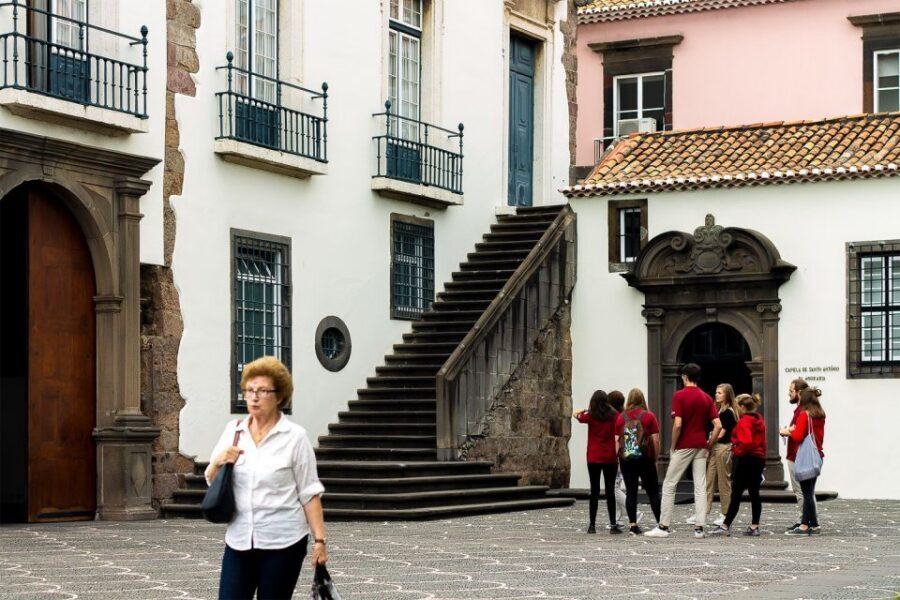
The tour starts at the Colégio dos Jesuítas do Funchal, at the University of Madeira area beside D’Oliveiras Madeira Wine on Rua dos Ferreiros. It’s not inside the church. Plan to meet at the University entrance by the glass doors and the University signage, then get pointed into the session from there.
This first minute matters. You’re not just arriving at a random pickup spot. You’re stepping into a place tied to the Jesuit presence on the island, and that sets the tone: religion, education, and civic life all show up again later as you walk. If you come from a cruise stop, this start point also helps you avoid the “where do we go?” scramble.
You’ll hear a broad thread right away: how Madeira and Funchal’s history shaped the city centre. Think of it like a map in your head. Once you have that, each street name and building feels less like decoration and more like evidence.
You can also read our reviews of more walking tours in Madeira


Funchal City Hall, a photo stop, and then straight into everyday Madeira
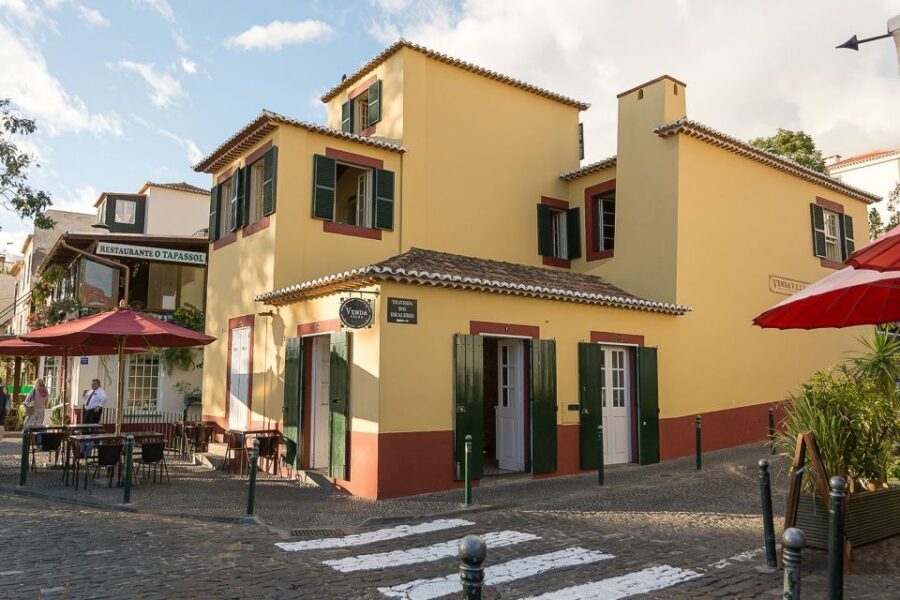
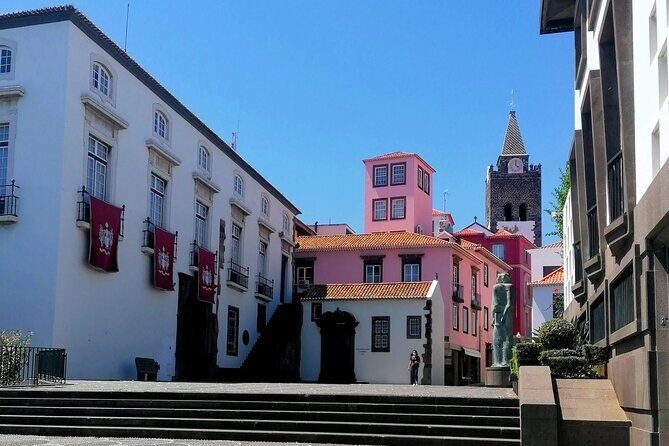
From the start, you pass the Funchal City Hall area for a photo moment. It’s a quick moment, but it signals that the walk isn’t only about churches and views. You’re building a picture of how government and public life fit into the Old Town.
Then you start moving toward the first real “culture in your hands” stops. You’ll continue along major streets while the guide connects what you see to earlier local trades. That transition is the secret sauce of this walk: it keeps the pacing lively while still delivering context.
If you like tours that explain why things are where they are, you’ll appreciate how often the guide points out the logic behind the city layout—especially as you approach the market and the older lanes.
The Farmers’ Market and the embroidery street: see the island’s trade system
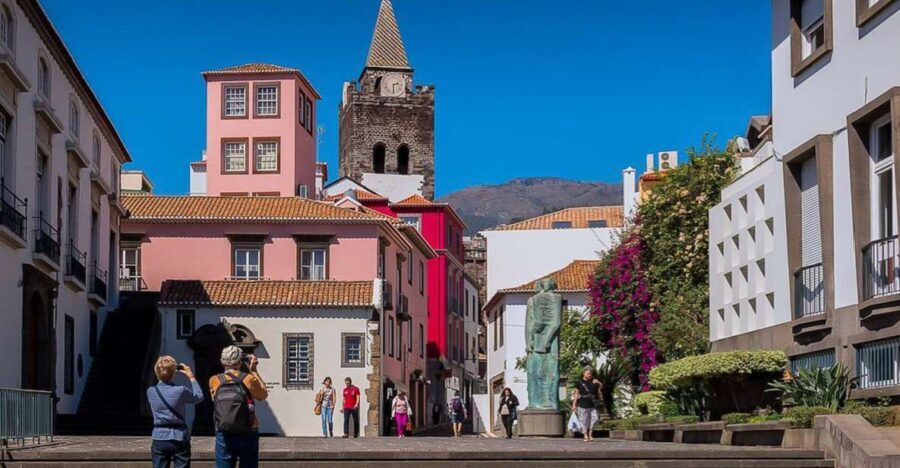
One of the tour’s best sections is the Farmers’ Market visit. It’s not just a quick look. You’re guided through what makes the market important and what it represents for local production and seasonal rhythms.
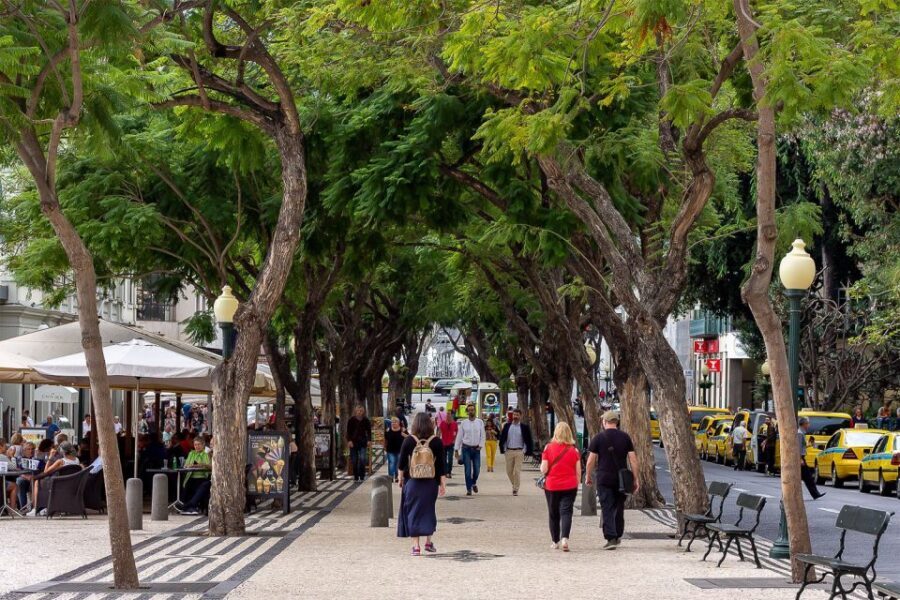
As you head toward it, you’ll pass along one of the city’s busiest streets and learn about Madeira’s early days of embroidery. That detail is easy to miss if you’re walking on your own. With the guide’s framing, you start noticing how a city can grow around trades—threads, textiles, and later other forms of commerce.
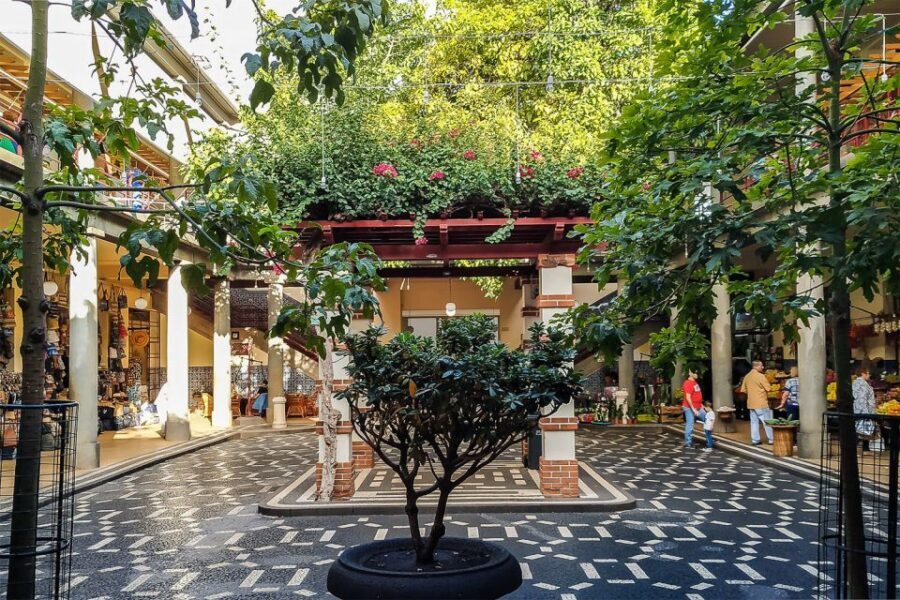
Inside the market zone, you get a chance to observe the mix of locals and goods, then take a bit of time with the stalls at the right moment. The guide’s storytelling helps you “read” what you’re seeing. You start to understand why certain products matter, and why the market feels like a living link instead of a souvenir shop.
Practical tip: bring a little patience for the market flow. It’s active, so you’ll want to stay aware of your group so you don’t end up lagging behind during the guided segments.
A 19th-century sweet factory: sugar’s legacy in a form you can taste
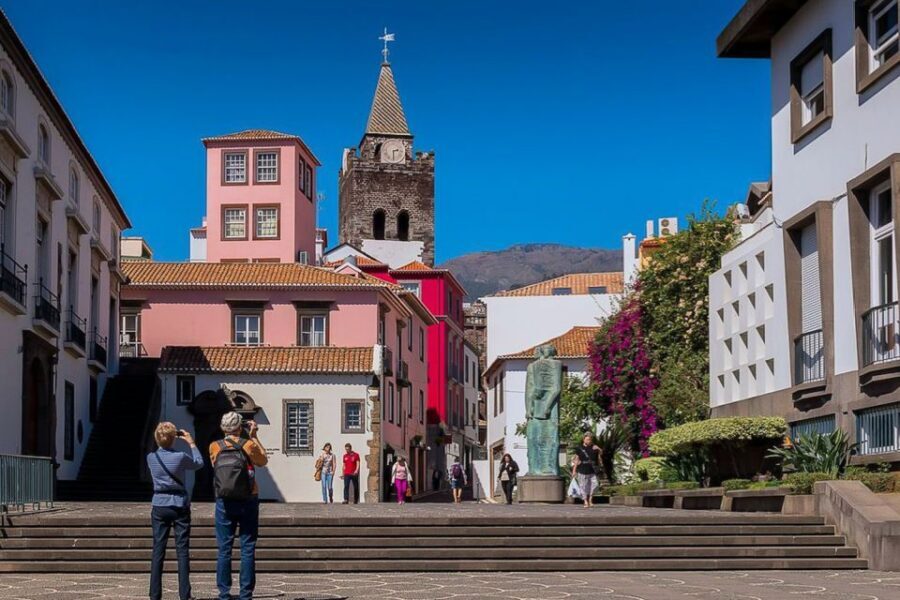
After the market area, you’ll visit a traditional sweet factory founded in the 19th century. This is one of the stops that makes the walk feel different from a standard landmark tour.
Here’s why it works: it takes the big topic—Madeira’s sugar industry—and turns it into something tactile and specific. Even if you’re not a sweets person, you’re seeing how one industry leaves long shadows. Sugar wasn’t only an export story. It shaped factories, recipes, and local craftsmanship.
The guide ties the sweet factory into the broader narrative as you move. That means you’re not just ticking off another building. You’re seeing the afterlife of sugar in everyday culture.
If you’re the type who likes to bring home food made with local traditions, this stop sets you up perfectly for later snacking around town. (And if you’re not, it still gives you a solid understanding of the island’s economic history.)
Santa Maria Street, Admiral’s Garden, and fortress ruins near the riverbeds
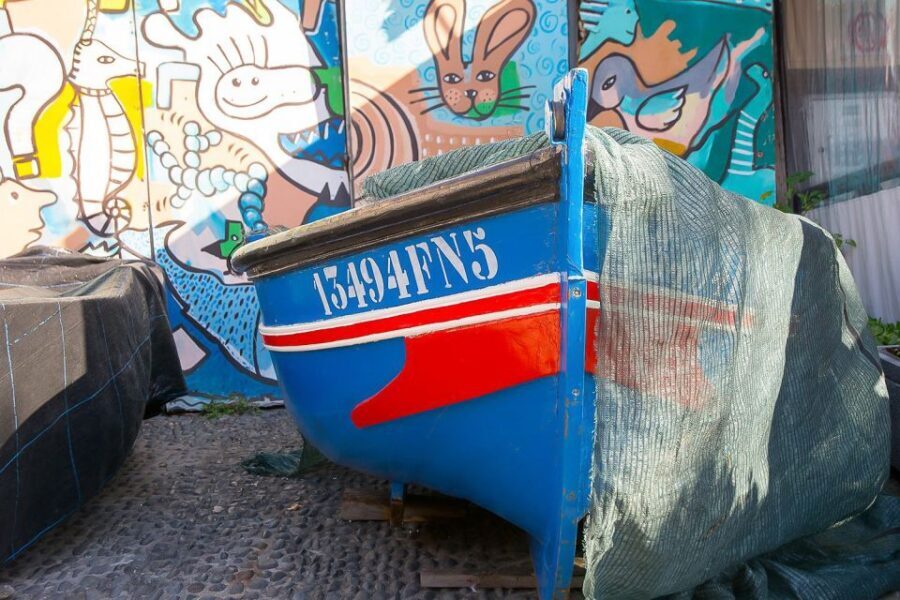
Next you head to the medieval Santa Maria Street and keep going toward the Admiral’s Garden and ruins of an old fortress. The fortress section lands particularly well because it explains something physical about Funchal’s past.
You’ll learn about old defensive efforts linked to flooding. The ruins sit near the riverbeds that were once walled in to help protect the city from water damage. That’s a detail you would almost certainly miss if you were just sightseeing. It’s also a good reminder that “history” isn’t only kings and wars. Sometimes it’s drainage, water flow, and survival planning.
Santa Maria Street also delivers atmosphere. You get narrow lanes and medieval street character without having to hike across town. The walk stays compact enough to feel like exploring with a friend, not jogging between distant sights.
A small note: cobbles show up here. If you’re prone to slipping in slick shoes, pick grippy soles and take your time on turns.




Colombo Square and the sugar-cane connection to the Americas
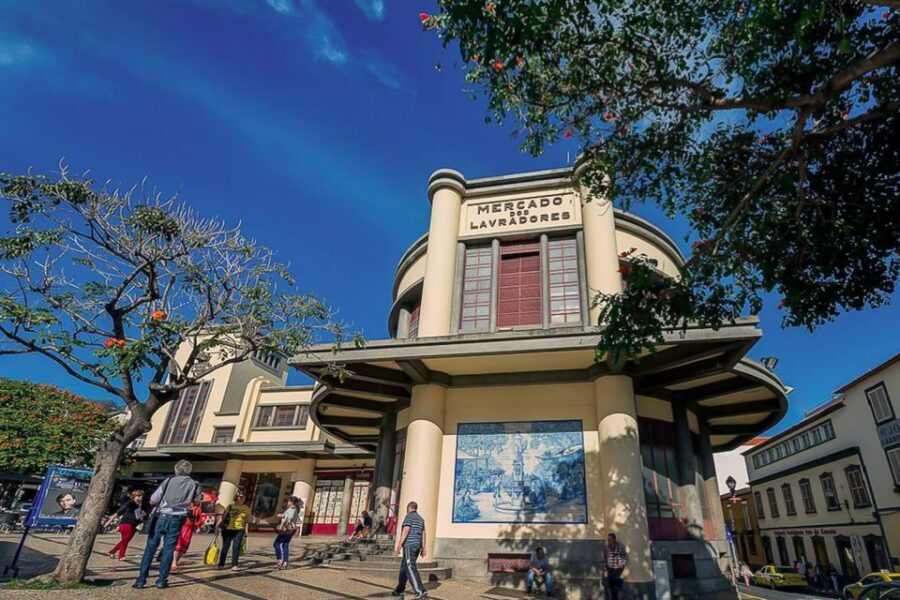
At Colombo Square, the walk shifts from street-level charm into a fascinating industry storyline. You’ll explore Madeira’s sugarcane industry and its surprising connection to the discoverer of the Americas, who once lived on the island.
This part is especially valuable if you’ve heard the generic version of Portuguese exploration and want more detail tied to Madeira itself. The guide’s job is to connect the dots—why sugarcane matters, how the island became part of larger historical currents, and how that connects to what you’re seeing in the city centre now.
Colombo Square works as a “thought anchor” stop. Once you’re here, you understand why later civic and religious buildings matter too. They were built and reinforced in an era when Madeira’s economy mattered far beyond the island.
Legislative Assembly and the Cathedral: power, seats, and the 1500s
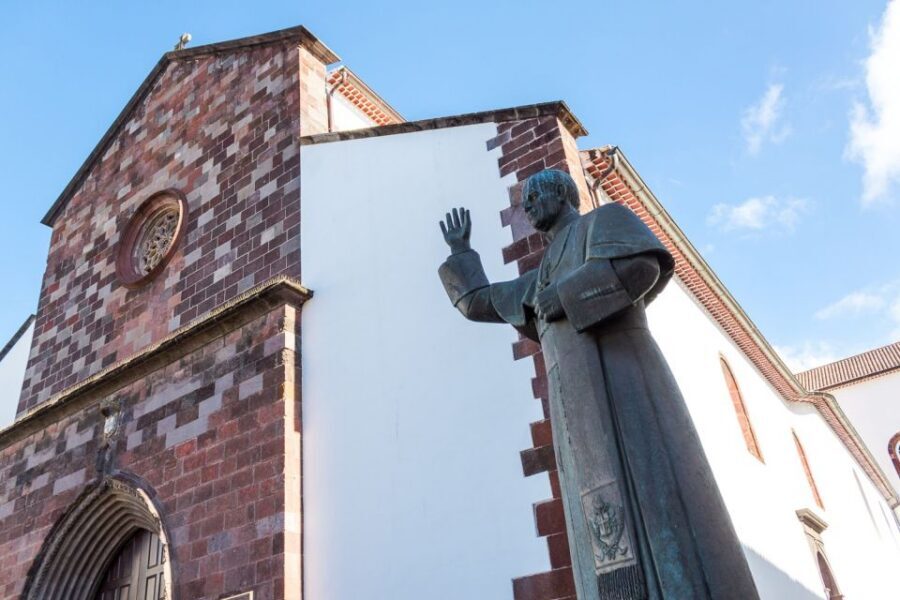
After the sugar story, you visit key landmarks including the Regional Legislative Assembly and pass by the Cathedral. The Cathedral gets an important historical frame: in the 16th century it served as the seat of the largest diocese in the world.
That fact can sound like trivia until you see how the guide sets it up. You understand this wasn’t a small local church. It was tied to major religious administration. The guide helps you connect scale and influence to geography in the Old Town.
You also pass major civic space, so you see the blend of power structures. In other European cities you might separate “church area” and “government area.” Here, walking through the centre, it’s easier to grasp how both shaped daily life and city planning.
If you like photography, this is where your camera hand will feel busy. Take your photos, but also look up at the buildings while the group moves—standing in one place too long breaks the flow and can make the rest of the walk less fun.
Municipal Garden wine lodge stop: a quick palate reset
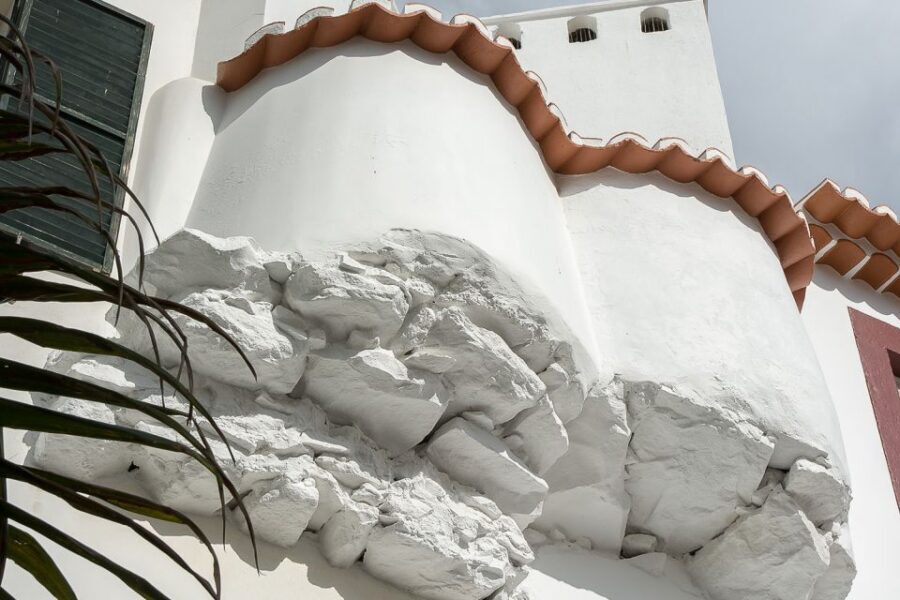
The tour continues to the Municipal Garden for a quick visit at a traditional Wine Lodge. This is a smart moment in the walk. You’ve covered markets, sweets, medieval streets, and religious/civic buildings. Then—wine comes in as a palate reset and a taste of Madeira’s other big export identity.
Wine is central to Madeira, but the stop also ties back to earlier themes of Madeira’s industries and trade. Even if you’ve already tasted Madeira wine elsewhere on the island, this gives you context for why the wine story belongs in the Old Town narrative too.
In practice, some groups also end with a short Madeira wine tasting back near the University area. If that happens during your session, it’s a nice payoff after the walking and listening.
Either way, treat this as your chance to slow down for a moment, hydrate if you need to, and keep your feet ready for the final stretch.
Jesuits’ Church and back to the University: ending with clear closure
The last part brings you to the Jesuits’ Church and then back to the former Jesuits’ College. The tour closes where it started, which is one of those simple design choices that makes the whole thing feel complete.
By the time you reach the closing point, the city centre theme clicks. You see how education, religion, and commerce all weave through the same streets. It also helps that the meeting point is easy to find after the walk. You won’t feel like you’re hunting for your pickup spot in the final minutes.
Guide style matters here too. Many sessions are led by Madeiran Heritage guides connected with the Madeiran Heritage programme. You may meet guides such as Annabelle, Elias, Elea, Hugo, or Hannah, and the common pattern is the same: they answer questions clearly and keep the walk moving at a pace that doesn’t feel like a race.
Price and value: why $19 works for a 2-hour walk
For $19 per person, this tour hits a sweet spot between cost and content. You’re paying for a guided route that covers multiple types of stops: market, factory, fortification ruins, sugar-industry storytelling, plus church and civic buildings. That combination is usually what costs more on other tours when everything is split into separate experiences.
Two hours also matters. In that window, you get orientation for your next steps in Funchal. After this, you’re more likely to know where things are and why they matter—so your time after the tour feels more efficient.
And because it supports student-led initiatives and educational programmes through the University of Madeira, the money isn’t just buying facts. It’s helping fund student welfare and educational outreach. If you care about value beyond the sightseeing, this is a strong reason to book.
Who this tour fits best (and who should skip it)
This walk is a great fit if you:
- want a first-time orientation to Funchal’s centre
- like history explained through places tied to real industries (sugar, sweets, wine)
- prefer small-group tours where you can ask questions
You might skip it if:
- you need a fully flat route (cobbles and slight inclines show up)
- you only want big-ticket viewpoints and don’t care much about markets, factories, and local trade stories
For cruise days, it’s also a solid pick. The duration is short enough to feel doable even when your legs are tired from disembarking and exploring.
Before you go: simple prep that makes the walk better
Wear comfortable shoes. That’s the biggest practical thing. The route includes cobbles and slight slopes, and you’ll stand still at a few points for explanations and photos.
Also, plan to bring a bit of sun protection or light rain gear. The tour runs in most weather, but Madeira weather can switch moods fast. If you’re prepared, you’ll enjoy the stops more.
Lastly, if you have a language preference, it’s worth noting it ahead of time so the right guide is assigned. Options include English, German, and French.
Should you book Funchal’s Old Town Walking Tour?
Yes, if you want a first taste of Funchal that goes beyond the usual postcard stops. The mix of the Farmers’ Market, the 19th-century sweet factory, the medieval Santa Maria Street section, and the sugar-cane story around Colombo Square gives you a fuller view of how Funchal works—economically and culturally.
If you’re on the fence, book it early in your trip. It helps you “place” the rest of what you’ll see, so the city feels easier to navigate afterward. And because the tour supports student-led educational programmes through the University of Madeira, you can feel good about doing it for yourself and for the community.
FAQ
Where does the tour start?
Meet at the Jesuits’ College of Funchal on the University of Madeira side, next to D’Oliveiras Madeira Wine on Rua dos Ferreiros. The meeting point is by the University entrance on the street beside the Jesuits’ Church (look for the glass doors and University of Madeira signage).
How long is the walk?
The tour lasts about 2 hours.
Is it offered in multiple languages?
Yes. The live guide operates in German, English, and French.
What’s included besides the walking guide?
You get a 2-hour guided walking tour, entrance to the Jesuits’ College of Funchal, visits to the Farmers’ Market, a traditional Wine Lodge, and a 19th-century sweet factory, plus historical and cultural commentary during the walk.
Is there food or drinks included?
Food and beverages are not listed as included. You may visit a wine lodge, but personal food and drink purchases are on you.
Is it wheelchair accessible?
The tour is listed as wheelchair accessible, but the route includes cobbled streets and slight inclines, which may affect suitability for guests with limited mobility.