REVIEW · CITY TOURS
Ribeira Brava: The barn of the first atlantic city – Private Tour
Book on Viator →Operated by Vicente GeoTours · Bookable on Viator
Lava and streets tell the Madeira story. This private tour in Ribeira Brava turns obvious old buildings into a geology and history lesson, with your guide pointing out what formed the island and why the town looks the way it does. It’s a clever way to see Madeira beyond viewpoints—right in the textures, walls, and street edges you’d otherwise walk past.
What I like most is the stop-by-stop field reading: you’ll see quaternary alluvial deposits and subaerial lava flows where they sit, not in a textbook. The guides—often people like Sandro or Santosh—bring the island’s story down to earth (literally) and explain it in clear, patient English.
One consideration: it’s an outdoor walk that depends on good weather, and there’s no private transport included, so you’ll want to plan how you’ll reach—and return from—the meeting point at Fort of São Bento.
In This Review
- Key highlights you’ll feel within the first 30 minutes
- Why Ribeira Brava is such a good “real Madeira” setting
- Meeting at Fort of São Bento and getting oriented fast
- Madeira’s Earth story: archipelago formation you can visualize
- Quaternary deposits and subaerial lava flows: seeing time in the ground
- Flash floods and spatial planning: the town’s layout has a reason
- Settlement and Portuguese engineering: Captain Luis Gonçalves Silva’s manor
- Heritage stones, church details, and those surprising city finds
- Sugar cane mills and how farming shaped Madeira’s economy
- Pavements: the quiet craft of Portuguese and Madeiran styles
- Timing, group size, and what’s included (so you’re not doing math in your head)
- Who this tour fits best
- Weather and comfort: the only real “gotcha”
- Should you book Ribeira Brava: The Barn of the First Atlantic City?
- FAQ
- FAQ
- How long is the Ribeira Brava private tour?
- Where does the tour start and end?
- What day and time does it run?
- Is transportation included?
- What’s included in the price?
- Is the tour really private?
- What kind of ticketing do I need?
- Do I need good weather?
- Can I cancel for a refund?
- Is the tour accessible for most people?
Key highlights you’ll feel within the first 30 minutes
- Geology you can point at: real deposits and lava forms explained in plain language
- Flash-flood stories tied to street layout: you learn why Ribeira Brava is planned the way it is
- Engineering details, not just scenery: manor-house design linked to Captain Luis Gonçalves Silva
- Portuguese heritage in small, practical ways: heritage stones plus pavement styles you can actually see
- Sugar cane history with local results: how farming shaped the island’s economy over time
- A guide-led pace: your group goes together as one, with drinks and coffee/tea included
Why Ribeira Brava is such a good “real Madeira” setting
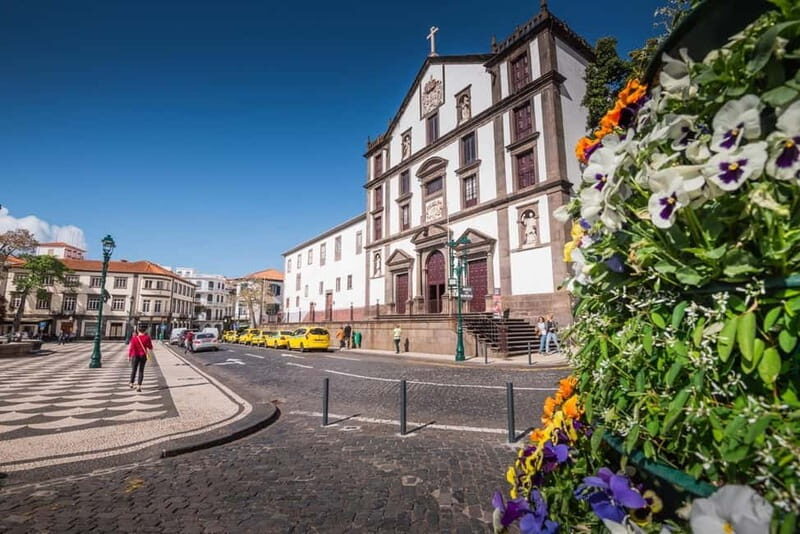
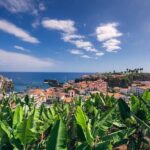
Ribeira Brava works because it’s not trying to be a theme park. You get the kind of village texture Madeira is famous for: slopes, old center buildings, practical streets, and the evidence of how water and volcanic forces have shaped daily life.
This tour takes that backdrop and turns it into a lesson plan. You start with planet-scale formation of Earth and work your way toward what Portuguese settlers built and how the town evolved. If you like travel that makes you look twice at ordinary corners, you’ll get a lot here.
You can also read our reviews of more city tours in Madeira

Meeting at Fort of São Bento and getting oriented fast
You begin at Fort of São Bento in Ribeira Brava. It’s a straightforward start point, and the timing is clean and manageable—about 2 hours 30 minutes for the full experience.
From the first moments, the guide frames what you’re about to see: geology, settlement, and the cultural layer built on top of it. That matters, because once you understand the “why” behind the town’s form, every next stop feels less random.
Madeira’s Earth story: archipelago formation you can visualize

One part of the experience is how your guide brings the Madeira archipelago’s formation into focus. Instead of treating geology like distant trivia, you connect the island’s origin to what you can actually observe around the town.
You’ll also get context on how Madeira’s environment supports certain kinds of landscapes and building needs, including the way water behaves in steep terrain. Even if you don’t call yourself a science person, you’ll come away with a mental map: island formation → volcanic action → deposits and terrain → human choices.
Quaternary deposits and subaerial lava flows: seeing time in the ground
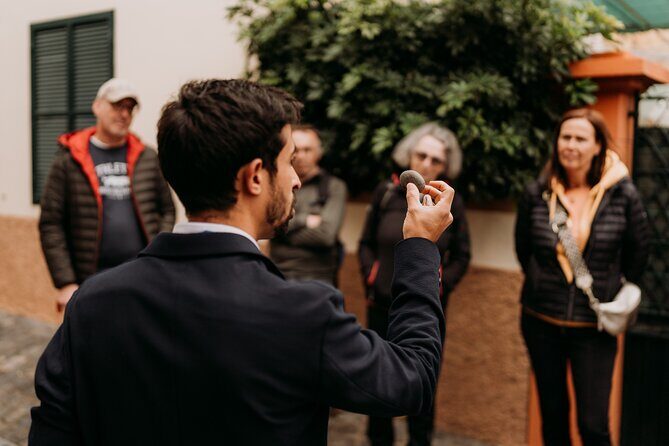
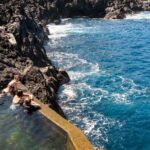
This is the tour’s most “hands-on with your eyes” section. You pause for in-situ observation of quaternary alluvial deposits and subaerial lava flows, where they occur in the local setting.
Why it’s valuable: these aren’t abstract labels. When you’re standing near the material, you can start to understand the difference between sediment laid down by water versus rock created by volcanic action. The guide helps you interpret what you’re seeing and connects it to the island’s ongoing relationship with water and slopes.
A small practical note: because this is field observation in town, wear comfortable shoes. You’re not doing a heavy hike, but you’ll still want footing you trust.
Flash floods and spatial planning: the town’s layout has a reason
Madeira is famous for dramatic weather, and the tour uses that reality in a useful way. You’ll learn about flash floods that occurred on Madeira Island and then look at how Ribeira Brava’s spatial planning responds to risk and terrain.
This is where the tour becomes more than geology class. You start noticing patterns: where space is positioned, how movement through town likely works, and why certain areas feel more protected or more vulnerable depending on slope and flow routes.
If you enjoy reading a place like a living document, this section is for you. You’ll see “planning” not as paperwork, but as survival strategy.
You can also read our reviews of more private tours in Madeira


Settlement and Portuguese engineering: Captain Luis Gonçalves Silva’s manor
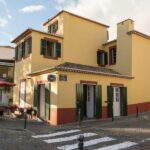
After the natural forces, the tour shifts into human decisions—how Portuguese settlement shaped the village and its structures. You’ll get a synthesis on settlement, then move into a specific focus on the manor house of Captain Luis Gonçalves Silva.
The key here is the engineering angle. You’re not only looking at old architecture as decoration; you’re listening for how design choices reflect the needs of the time and the local environment. That includes practical aspects of how a manor house functions in a landscape that has to deal with water and uneven ground.
And yes, you’ll likely spot details in the building work that you would have missed at street level without prompting.
Heritage stones, church details, and those surprising city finds
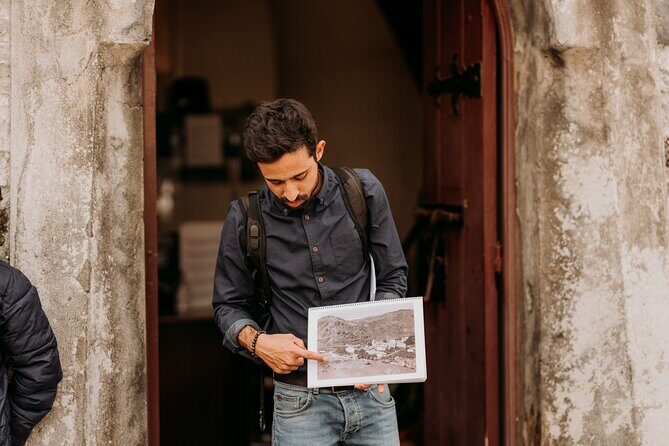
Mid-walk, the tour includes stops connected to one of the Portuguese Global Heritage Stones. It’s a small moment, but it gives you a tangible “handhold” on cultural identity—especially if you like tracing how nations value and classify materials.
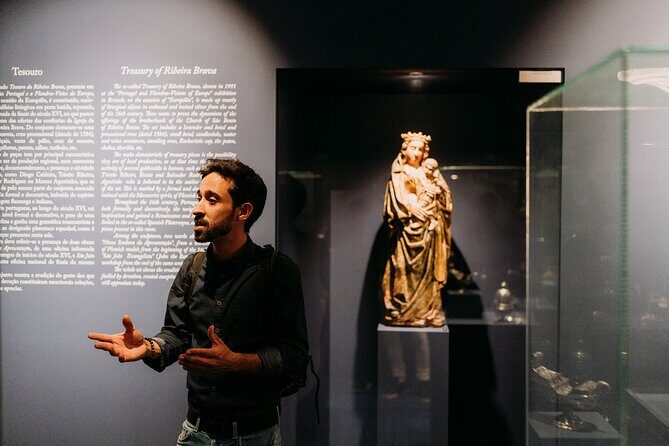
One extra bonus: the route can include unexpected civic or historic elements. For example, you may come across an old power plant tucked into the city fabric, plus notable church details (like silver elements) that you wouldn’t guess were there from the sidewalk. The tour approach is what makes these discoveries click: you’re trained to notice.
Sugar cane mills and how farming shaped Madeira’s economy
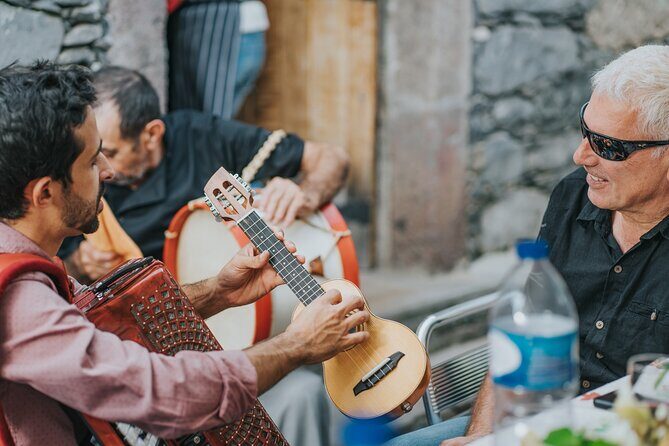
Then you get the Madeira that has smoke-free street corners but heavy agricultural roots: sugar cane mills and what they meant for the island’s socio-economic evolution.
This part works best when you pay attention to cause-and-effect. Sugar cane wasn’t just a crop; it shaped labor, wealth, infrastructure, and the way settlements grew. The guide ties those themes back to what you can see in the area and how local history links back to the physical town structure.
It’s also a good section to ask questions, because the guide can often connect production and power to what’s visible in architecture and street planning.
Pavements: the quiet craft of Portuguese and Madeiran styles
The tour ends with something surprisingly satisfying: the way the Portuguese-pavement style and the Madeiran-pavement style are applied in real spots around Ribeira Brava.
Pavements are one of those travel details you either ignore—or end up loving once someone explains the logic. Here, you get a chance to see texture, pattern, and how practical choices show up in visual design. You’ll start noticing how different stones behave underfoot and how the town’s aesthetics carry everyday function.
If you like photography, this is a great closeout. The ground becomes a map, and you’ll notice more than you expected.
Timing, group size, and what’s included (so you’re not doing math in your head)
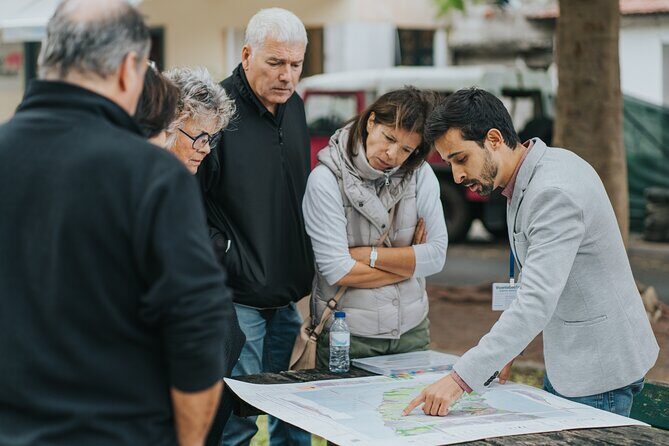
This is a private tour/activity, meaning only your group participates. That’s a big value boost if you want a flexible pace or you have questions you don’t want to compete for in a crowd.
The experience is priced at $40.33 per person for about 2 hours 30 minutes, and it includes:
- Local guide
- Bottled water
- Coffee and/or tea
- Alcoholic beverages
- A mobile ticket
- Admission ticket free (as listed)
What’s not included: private transportation. Since the start/end are both at the Fort of São Bento area, you’ll want to plan getting there and back on your own. The good news is the meeting point is near public transportation.
On top of that, the tour runs on Saturdays in the window shown, with a scheduled time of 10:00 AM–12:30 PM. It’s also set up to run over multiple years, which suggests stable operation, not a one-off pop culture event.
Who this tour fits best
This one’s a strong match if you:
- Prefer walking tours that explain what you’re seeing in the ground and buildings
- Want a first-day activity that gives you a fresh perspective on Madeira
- Like guides who can connect science, history, and everyday town details without losing you
It’s also a good pick if you’re traveling with people who don’t all love the same things. Here, geology fans get their deposit-labeled moments, history fans get Portuguese settlement and manor engineering, and culture fans get pavements and heritage stone context.
And since service animals are allowed and most people can participate, it’s broadly accessible compared to hardcore outdoor programs.
Weather and comfort: the only real “gotcha”
The only genuine friction point is the weather requirement. The tour needs good weather, and if it gets canceled due to poor conditions, you’ll be offered another date or a full refund.
Because it’s outdoors, bring layers you can adjust. Even on a mild day, walking in coastal air can change how warm you feel. Also, bring the mindset that this is about looking closely, not racing to the next postcard.
Should you book Ribeira Brava: The Barn of the First Atlantic City?
If you want Madeira with explanations that make streets and stones feel meaningful, I’d book this. At about $40 per person for a private, guided, 2.5-hour walk with drinks and coffee/tea included, it’s good value—especially if you’re the type who gets annoyed by tours that only point.
Skip it only if you’re not interested in geology or village history, or if you know you won’t manage an outdoor walking format well. Otherwise, this is exactly the kind of experience that helps you see a place with new eyes after you leave the fort.
FAQ
FAQ
How long is the Ribeira Brava private tour?
The tour lasts about 2 hours 30 minutes.
Where does the tour start and end?
It starts at Fort of São Bento in Ribeira Brava and ends back at the same meeting point.
What day and time does it run?
It lists Saturdays from 10:00 AM to 12:30 PM.
Is transportation included?
No. Private transportation is not included.
What’s included in the price?
A local guide, bottled water, coffee and/or tea, and alcoholic beverages are included. A mobile ticket is also provided. Admission ticket is listed as free.
Is the tour really private?
Yes. It’s a private tour/activity, and only your group participates.
What kind of ticketing do I need?
You use a mobile ticket.
Do I need good weather?
Yes. The experience requires good weather, and if it’s canceled due to poor weather, you’ll be offered a different date or a full refund.
Can I cancel for a refund?
Yes. Cancellation is free, as long as you cancel at least 24 hours in advance of the start time for a full refund.
Is the tour accessible for most people?
Most people can participate, and service animals are allowed.