REVIEW
Madeira: Birdwatching – The Endemics
Book on GetYourGuide →Operated by Madeira Fauna & Flora · Bookable on GetYourGuide
Madeira’s bird list is short for a reason. In 4.5 hours, this small-group outing focuses on the island’s star endemics and the places that support them, including São Lourenço and the Laurel forest. I love that you’re not just driving past viewpoints; you’re stopping in the right spots to watch carefully and learn what makes each bird possible here.
My other favorite part is the guide-led approach. When you’re with Alex from Madeira Fauna & Flora, you get real explanations in English or Portuguese, plus practical spotting help and included observation material. One thing to consider: you’ll do some walking and standing, so wear solid closed-toe shoes and expect variable weather in Madeira.
In This Review
- Key Things to Know Before You Go
- Madeira Endemics Birdwatching in 4.5 Hours: What This Tour Really Delivers
- Getting From Funchal Pickup Into Birdwatching Mode
- São Lourenço Peninsula: Where Endemic Chances Feel Most Focused
- Laurel Forest Stops: The Trocaz Pigeon and the Art of Listening
- Firecrest, Chaffinch, and the Endemic Details That Make Your Trip Click
- Observation Gear and Small-Group Rhythm: Why You’ll Spot More
- The Real Itinerary Flow: Walk, Sit, Scan, Repeat
- Price and Value: Is $64 Worth It for Madeira Birdwatching?
- What to Bring for a Comfortable Birdwatching Half-Day
- Who Should Book This Tour (and Who Should Skip It)
- Booking Decision: Should You Choose Madeira’s Endemic Bird Tour?
- FAQ
- FAQ
- How long is the Madeira birdwatching tour?
- What’s the meeting point?
- Do they offer pickup and drop-off?
- How big is the group?
- What languages are available for the guide?
- What birds and habitats can I expect to see?
- Is observation equipment included?
- What should I bring?
- Is the tour suitable for children?
- Are alcohol or drugs allowed?
- Is there free cancellation?
Key Things to Know Before You Go
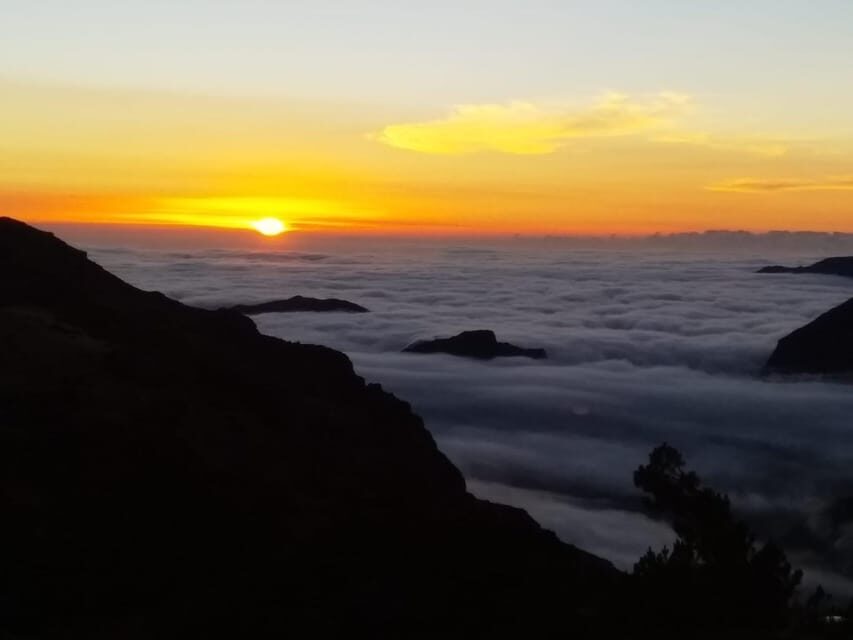
- Endemics first: The tour is built around Madeira’s unique birds like the Firecrest, Trocaz (Laurel) pigeon, and Chaffinch.
- Important Bird Areas (IBAs): You visit key conservation sites such as São Lourenço peninsula and the Laurel forest.
- Small group size: Limited to 8 participants, which makes it easier to hear the guide and manage stops.
- Observation gear included: You get material for watching, so you’re not scrambling for equipment.
- Pickup in Funchal and Caniço: Easy if you’re staying in those areas; otherwise you’ll need to coordinate.
Madeira Endemics Birdwatching in 4.5 Hours: What This Tour Really Delivers
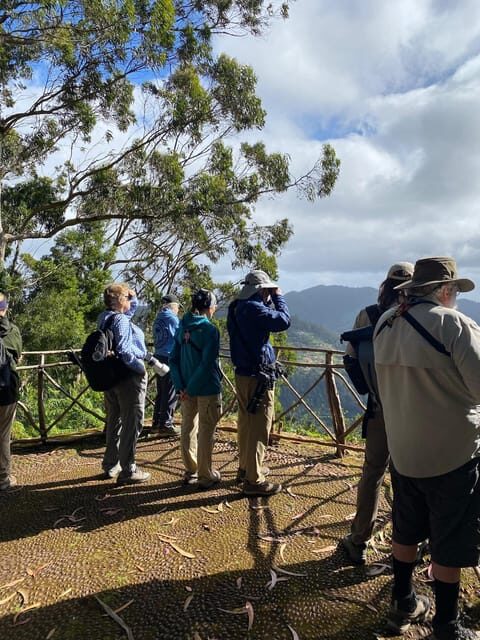
If you come to Madeira expecting beaches and viewpoints, that’s fine—but you’ll miss one of the island’s smartest travel angles. The reason birdwatching here feels different is simple: Madeira has species you can’t find anywhere else. This tour is designed to hit that sweet spot fast, without turning the day into a long slog.
The goal is not a “see everything” checklist. It’s about putting you in the right habitat and teaching you how to notice what you’re actually looking at. You’ll spend time at several land sites, using a mix of short walking and sit-and-watch stops where birds can show up.
The other big advantage is pacing. At 4.5 hours, you get a focused session that fits easily into a typical Madeira itinerary. And since it’s a small group, the guide can slow down when a bird is active, rather than rushing everyone along.
You can also read our reviews of more tours and experiences in Madeira.



Getting From Funchal Pickup Into Birdwatching Mode
You start in Funchal, where pickup is available. The tour runs with pickup and drop-off service within the Funchal and Caniço areas, so most people can keep the logistics simple: you show up, you go, you return.
That first drive matters more than it sounds. Before you even reach the birdwatching stops, you’re getting oriented—where you’ll be, what habitats you’ll see, and which endemics are most tied to those areas. It sets expectations so you don’t treat every small motion in the trees like a mystery.
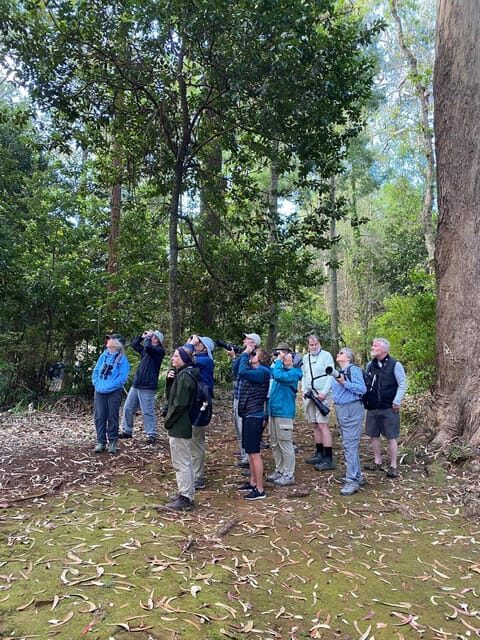
Once you’re at the first observation points, you’ll shift into the slower birdwatcher rhythm. That’s part of the value here: you’re not constantly moving. You have time to settle, scan, and listen for activity. Madeira birds can be quick and quiet, so patience is the skill you’re practicing all day.
São Lourenço Peninsula: Where Endemic Chances Feel Most Focused
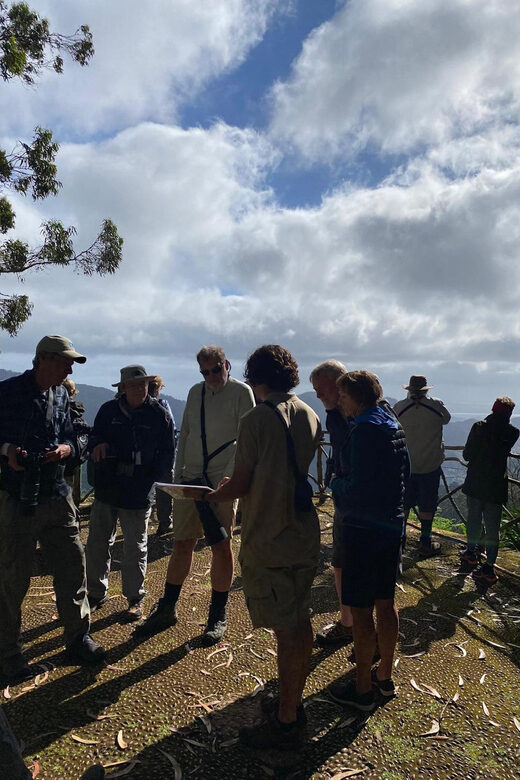
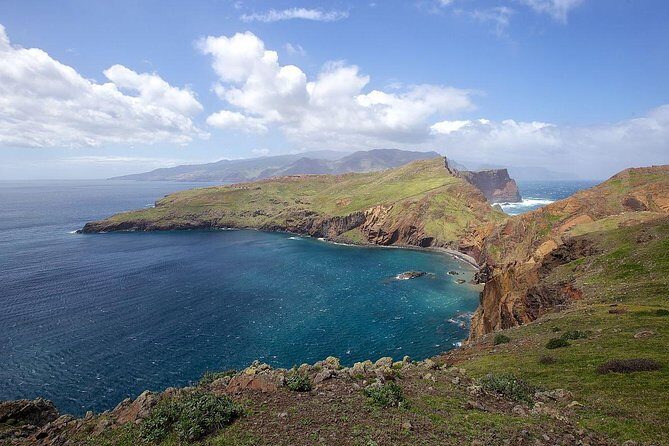
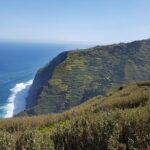
One of the main IBA stops is the São Lourenço peninsula. This matters because the tour isn’t visiting random scenic overlooks. It’s aiming for Important Bird Areas—places recognized for supporting bird life.
São Lourenço tends to offer a more open feel than the thick forest zones. That can be helpful when you’re trying to spot birds at different heights and distances. You’ll likely have moments where visibility is clearer and where your scanning can pay off faster.
This stop is also where the “Madeira endemics” theme becomes real. You’re in a habitat tied to the island’s unique bird community, and the guide can point out what you should watch for based on where you are. If you’re serious about seeing birds rather than just taking photos, this is exactly the kind of targeted location you want.
Practical note: bring water and expect some sun or wind. Peninsula areas can feel more exposed, and you’ll be standing still long enough for weather to become part of the experience.
Laurel Forest Stops: The Trocaz Pigeon and the Art of Listening
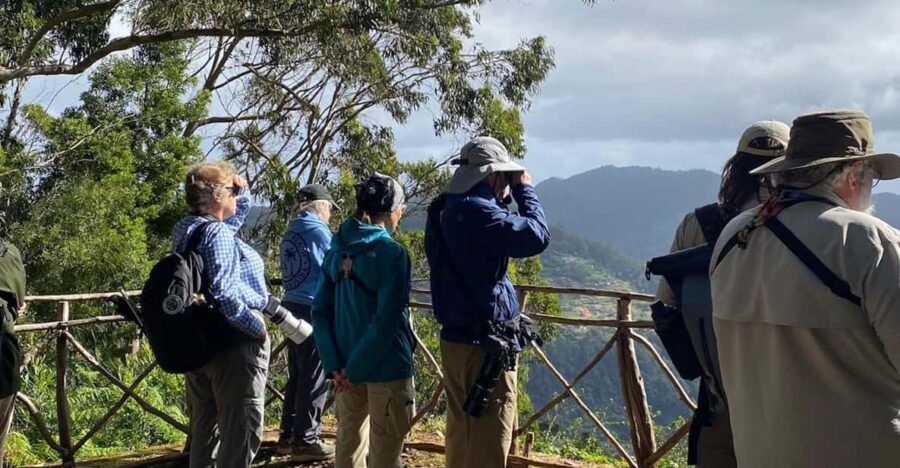
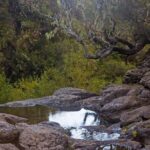
The other key habitat on this tour is the Laurel forest area. This is where Madeira’s bird identity gets even stronger. Laurel forests are tied to species that depend on that specific environment, and the guide will explain what you’re looking at—more than just naming birds.
The headline bird here is the Trocaz pigeon, often called the Laurel pigeon. It’s famous for being elusive, which is exactly why a guided, habitat-focused tour is worth it. You don’t just stroll hoping something appears; you’re guided to observation points where the chances make sense.
This is also where you learn a useful birdwatching habit: listening first, scanning second. In a dense forest, birds can be heard before they’re seen. The guide’s instructions help you avoid the common trap of staring in one spot for too long.
You’ll also be in an environment where other endemics can come into the mix. Depending on conditions and bird activity, you may connect with species like the Madeiran Firecrest and other small endemics that are tied to the forest’s structure.
Firecrest, Chaffinch, and the Endemic Details That Make Your Trip Click
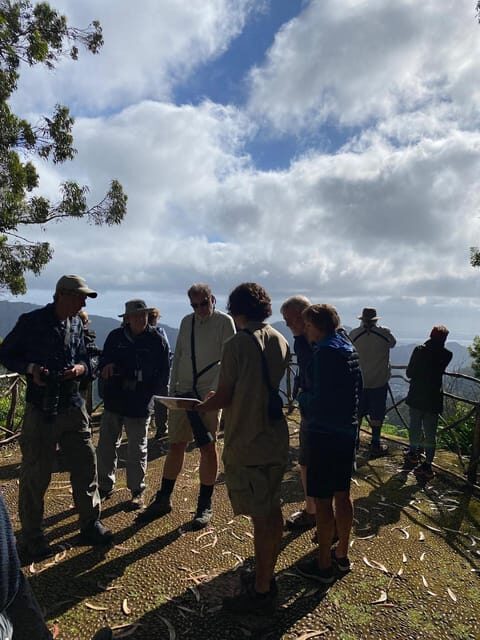
The tour’s endemic lineup is built around a few names you’ll actually remember after you leave Madeira.
First up is the Madeiran Firecrest, a standout species for birdwatchers. It’s a small bird, which means spotting it can take focus—but that’s exactly why the tour includes observation help and uses specific sites rather than scattershot viewing.
Then there’s the Madeiran Chaffinch, described as recently acknowledged as endemic. This kind of update is one more reason to book sooner rather than later. Madeira’s bird story evolves, and a tour like this is one of the practical ways to see the island’s unique status in the field.
And for variety, the guide also aims you toward other birds tied to Madeira, including the Madeiran bluefinch in at least some cases. If you’re thinking like a birder, you’ll appreciate that the tour isn’t only about one moment—it’s about stacking chances across different habitats.
The payoff is more than “seeing a bird.” It’s learning how different habitats support different species. Once you connect Firecrest-type behavior with the places it tends to occur, your future birdwatching on the island gets easier.





Observation Gear and Small-Group Rhythm: Why You’ll Spot More
This is a tour limited to 8 participants, which changes the experience. In a bigger group, one person stepping or turning can ruin the line of sight for everyone else. With a small group, the guide can position people and give quick instructions without turning the stop into a traffic jam.
Even better, the tour includes observation material. That reduces friction. You don’t have to pack extra gear or negotiate equipment on arrival. You can focus on using what you have and following the guide’s method—scan, listen, check behavior, then confirm.
Small-group rhythm also makes it easier to ask questions. If you’re trying to separate similar-looking birds, you’ll get more direct help. And since the guide works with a live group, they can react to what’s happening right now instead of sticking to a rigid script.
The Real Itinerary Flow: Walk, Sit, Scan, Repeat
You’re not given a long list of numbered stops, but you can expect a pattern that works well for birdwatching.
You’ll move between several land sites, some where you walk through and others where you sit to watch. That combination is smart. Walking helps you cover ground and reposition for better angles, while sitting helps birds settle into predictable behavior.
The best moments usually come when you stop and let the forest—or the open peninsula—do what it does. That’s why the tour’s design matters: it balances movement with time on station. It’s also why weather swings matter. If it’s misty or windy, you’ll want the guide’s judgment on where birds are most likely to be active.
One extra detail that shows up in real experiences on this route: you may end up doing a walk along a levada (Madeira’s water channels). It’s the kind of setting where flowers and bird activity can overlap, making the walk feel more purposeful than just getting from A to B.
Price and Value: Is $64 Worth It for Madeira Birdwatching?
At $64 per person for about 4.5 hours, the price lands in a reasonable zone for a guided, small-group specialist activity. What makes it feel fair isn’t just the duration—it’s the focus.
Birdwatching tours can become expensive if you’re paying for generic viewpoints and basic narration. Here, you’re paying for a structure built around Important Bird Areas and endemic species. That means you’re spending your time where birds are most likely, not where it’s easiest for a van to stop.
Also, observation material is included. That’s a quiet value point. If you’ve ever tried to do field viewing without the right help, you know how quickly it limits what you can actually see.
Finally, the guide language options—English and Portuguese—help you get explanations without guessing. If you care about learning names, behavior, and habitat links, that understanding is part of the value, not an extra.
What to Bring for a Comfortable Birdwatching Half-Day
You’ll move and stand in outdoor conditions, so pack like you’re going to enjoy a short hike plus a lot of stillness.
Bring:
- Comfortable shoes (closed-toe)
- Water
- Comfortable clothes that can get dirty
Expect that some sites may require you to step on uneven ground or walk on paths that don’t feel like museum flooring. If you’re tempted to wear sandals, don’t. The tour is short, but your feet will still remember it.
Also, plan for temperature swings. Madeira can change quickly, so layers help. If you get cold while you’re stationary, bird activity can still be happening while your hands freeze—annoying, but fixable with the right clothing.
Not allowed: alcohol and drugs. So treat it like a calm field outing, not a party.
Who Should Book This Tour (and Who Should Skip It)
This works best for:
- People who specifically want Madeira endemics, not just generic wildlife
- Travelers who like guided birdwatching with habitat context
- Anyone who appreciates small-group attention (max 8)
It’s less ideal if:
- You want a long, flexible day. This is focused and timed.
- You’re traveling with very young children. It’s not suitable for children under 5.
If you’re an experienced birder, you’ll still enjoy the targeted locations and the structured way of scanning. If you’re new to birdwatching, you’ll likely benefit from the guide’s explanation style and the included observation material.
And if you’re on the fence because you think you might see only a few birds—try to think habitat first. Birdwatching is a mix of luck and skill, and this tour is designed to improve your odds in the right places.
Booking Decision: Should You Choose Madeira’s Endemic Bird Tour?
I’d book this tour if your Madeira trip has room for a focused half-day and you genuinely care about seeing the island’s unique birds. The combination of Important Bird Areas, a small group, and included observation support makes it a practical choice.
I’d hesitate only if you’re looking for a high-volume, guaranteed checklist. Birdwatching can’t promise every species on every day. But this tour does the next best thing: it stacks your chances by using the right habitats—São Lourenço for focused viewing and the Laurel forest for the island’s deeper endemic story.
FAQ
FAQ
How long is the Madeira birdwatching tour?
The tour lasts 4.5 hours.
What’s the meeting point?
Pickup is available in Funchal.
Do they offer pickup and drop-off?
Yes. Pickup and drop-off are available within the Funchal and Caniço areas. If you’re staying outside those areas, you need to contact them to arrange possible alternative locations.
How big is the group?
It’s a small group, limited to 8 participants.
What languages are available for the guide?
The live tour guide works in English and Portuguese.
What birds and habitats can I expect to see?
You’ll visit Important Bird Areas on Madeira, including the São Lourenço peninsula and the Laurel forest, aiming to meet endemic birds such as the Madeiran Firecrest, the Laurel pigeon (Trocaz pigeon), and the Madeiran Chaffinch.
Is observation equipment included?
Yes. Observation material is included.
What should I bring?
Bring comfortable shoes, closed-toe footwear, water, comfortable clothes, and clothes that can get dirty.
Is the tour suitable for children?
It is not suitable for children under 5 years.
Are alcohol or drugs allowed?
No, alcohol and drugs are not allowed.
Is there free cancellation?
Yes. You can cancel up to 24 hours in advance for a full refund.