REVIEW · DOLPHIN & WHALE WATCHING
Madeira: Whale Watching Excursion in a Traditional Vessel
Book on GetYourGuide →Operated by Lobosonda - Madeira whale watching · Bookable on GetYourGuide
Watching whales in Madeira beats staring at shorelines. This excursion runs out from the marina on the traditional wooden fishing boat Ribeira Brava, restored with real care, and guided by local experts who help you scan protected waters for marine life. You’re not just along for the ride; you get a plan for what to look for and why it matters.
I like the combination of the boat itself and the guiding. Seeing Madeira coastline views from the sea feels special, and the guiding style stands out in the way it supports respectful wildlife viewing. I also like the odds: the tour is reported with an 85.6% success rate for spotting marine mammal species, so you’re more likely to get that moment than on a random boat cruise.
One thing to consider: whales can still stay underwater, and if the sea gets choppy the trip can change timing or range. Nature has the final say.
In This Review
- Key highlights worth knowing
- Madeira’s Ribeira Brava: a traditional boat that changes how you watch wildlife
- Getting to the meeting point fast: marina start, easy landmarking
- The pacing: what 2.5 hours looks like on the water
- What you can spot: dolphins, whales, monk seals, and seabirds
- Dolphin and whale viewing tips (so your eyes do real work)
- The coastline from sea level: Madeira looks different when you’re moving
- Respect for wildlife: why this trip feels different from the usual churn
- Price and value: how $53 makes sense for a 2.5-hour chance
- Weather, sea state, and the reality check on whales
- Who this tour suits best (and who might look elsewhere)
- Should you book this Madeira whale watching trip?
- FAQ
- What is the duration of the Madeira whale watching excursion?
- How much does it cost per person?
- Where do I meet for the tour?
- What wildlife does this excursion aim to spot?
- Does the tour have a guide and what languages are offered?
- What is the chance of seeing marine mammals?
- Can I cancel for a full refund?
Key highlights worth knowing
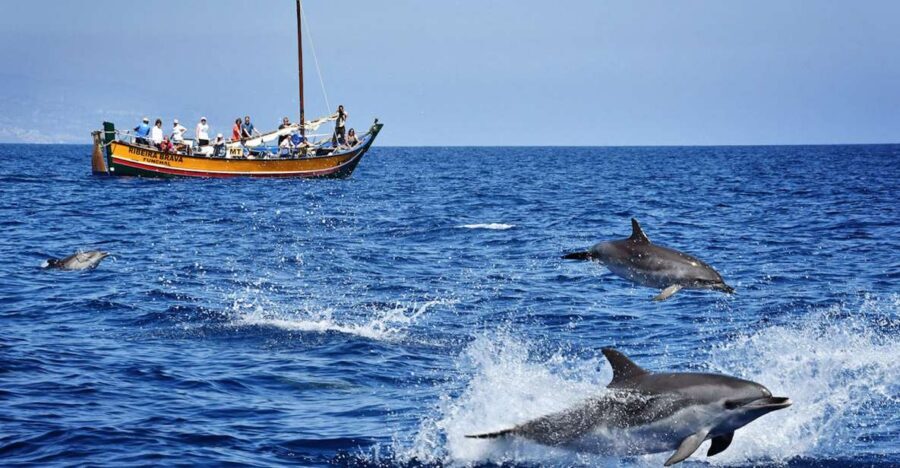
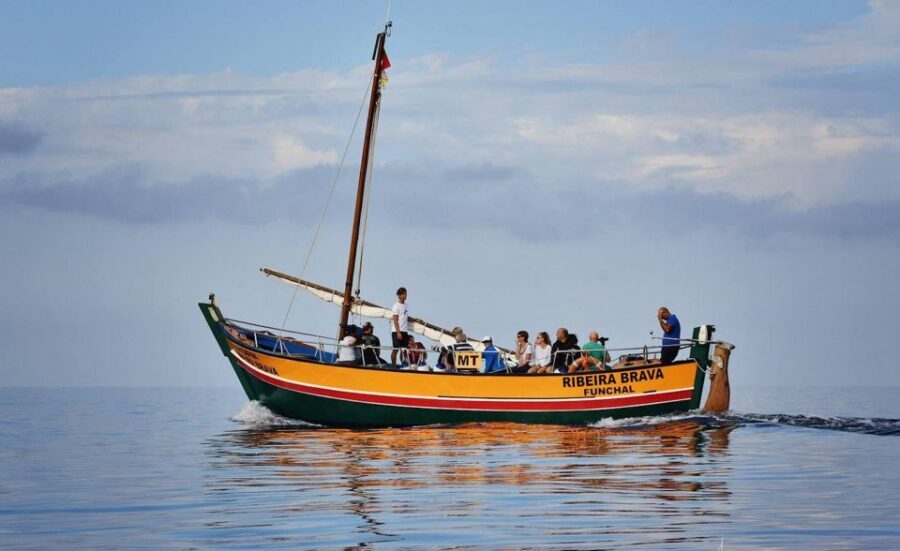
- Traditional wooden boat, Ribeira Brava: restored down to details and presented as the only one of its kind in Madeira today
- Expert local guide on board: live interpretation in English and German, tailored to what you’re seeing
- Good spotting odds: 85.6% success rate for marine mammal species
- Protected marine areas: you sail with the wildlife in mind, not just for a quick out-and-back
- Respectful animal approach: clear focus on minimizing stress and keeping distance
- 2.5 hours of coastline and open-ocean watching: enough time for chances without turning it into an all-day commitment
Madeira’s Ribeira Brava: a traditional boat that changes how you watch wildlife
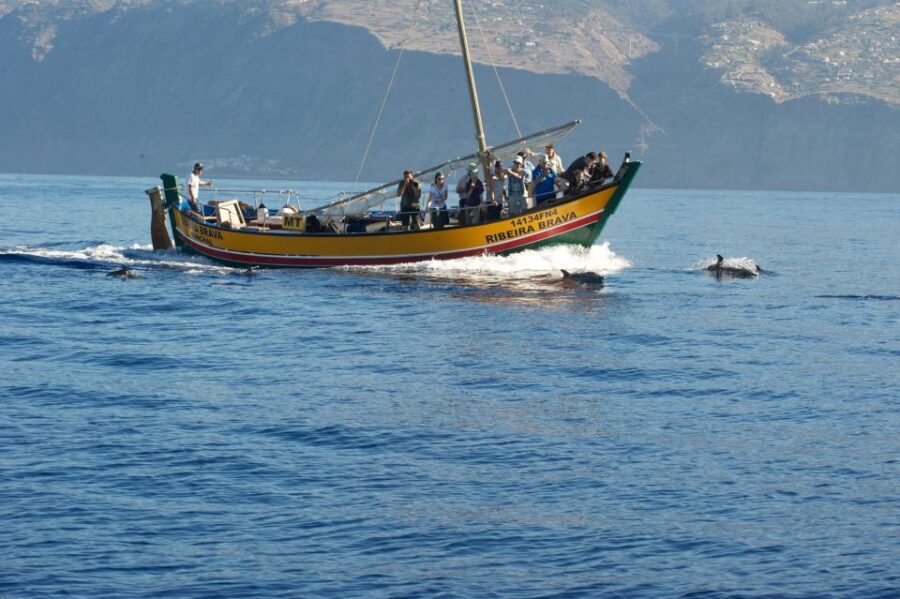
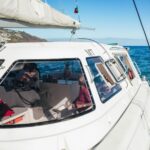
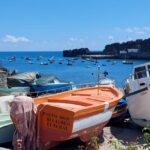
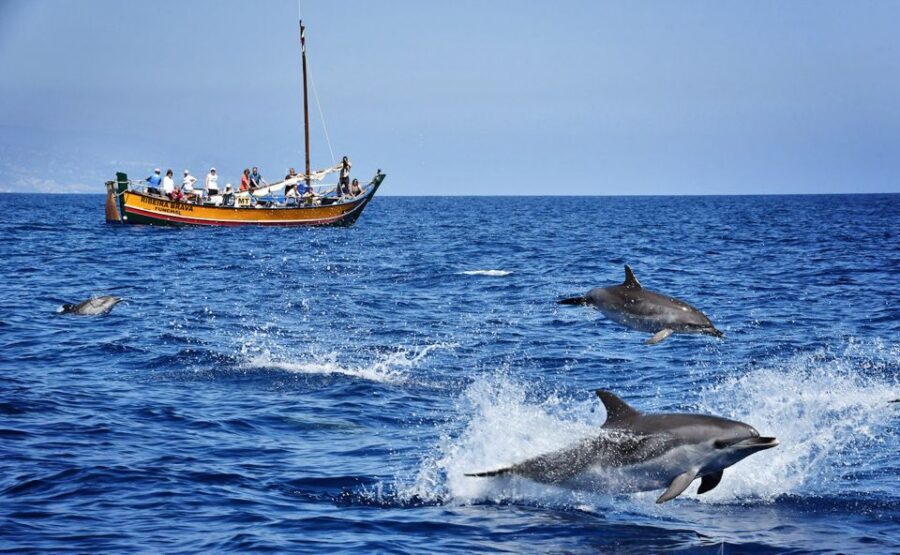
If you want whale watching that feels local, this is the kind of trip to pick. It sails from Madeira with a traditional wooden fishing boat called the Ribeira Brava, restored carefully and kept as the only vessel of its kind in Madeira today. That matters more than it sounds. A traditional boat sits differently on the water than big modern cruisers, so you feel the motion, you hear the sea, and you naturally start scanning the horizon the way fishers do.
The tour is short enough to fit into a busy Madeira day: 2.5 hours from start to finish. That’s a sweet spot. You get time out at sea for real chances, but you’re not stuck watching waves turn into your whole day if the weather is limited.
And yes, you’ll get the wildlife part you came for. But the boat experience and the guidance are what turn it from casual sightseeing into something you can actively enjoy.
You can also read our reviews of more whale watching tours in Madeira
Getting to the meeting point fast: marina start, easy landmarking
Meet in the marina area, specifically between the restaurants Aki Kalheta and Leme Marisqueira. That’s useful because it anchors you to something real, not vague “near the harbor” instructions.
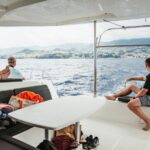
From there, the trip shifts quickly from walk-around Madeira to open-ocean focus. You’ll be on a live tour format with a guide, and the time passes in a natural rhythm: gather, head out, then scan and learn while you sail through the protected marine areas around the island.
Tip that helps: plan to arrive a bit early so you’re not rushing the start. When you’re heading out to look for dolphins and whales, the first hour can matter because you’re establishing where sightings happen before conditions change.
The pacing: what 2.5 hours looks like on the water
This is not a full-day cruise. In 2.5 hours, your goals are clear:
1) Get out to the right part of the waters around Madeira
2) Spend time searching for marine mammals and birds
3) Enjoy coastline views from the sea along the way back
What you do during the trip is mostly observation, but it’s not passive. The guide helps you understand where to look and what behaviors to watch for. That’s a big deal because spotting whales is partly knowing what you’re looking at when it appears for only a few seconds.
In practice, the outing often unfolds like this:
- You sail out from the marina and start scanning the coastline and open water
- You shift focus toward marine life in protected areas
- You look for dolphins, different whale species, and other wildlife like monk seals and seabirds
- When something shows up, you don’t just point and hope; the guide gives context so you can enjoy the sight more fully
The captain also plays a role. In the feedback I’m using to frame this, people appreciated calm, safe handling through the ocean, which helps your eyes stay on the water instead of on keeping your balance.
What you can spot: dolphins, whales, monk seals, and seabirds
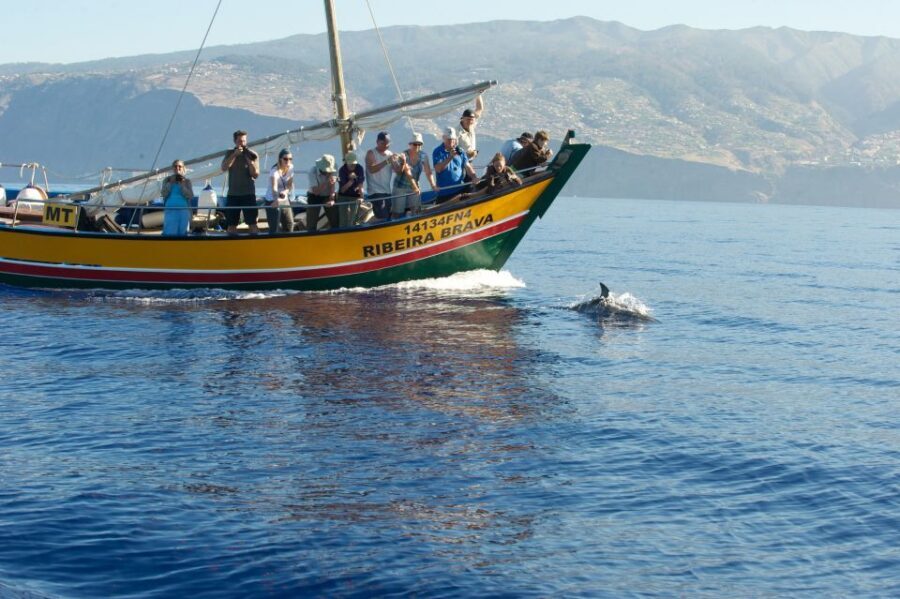
The headline promise is simple: see whales and dolphins. But the real value is the broader wildlife search. This excursion is designed around Madeira’s protected marine areas, so you’re not only scanning for one species.
Here’s what you may see during the trip:
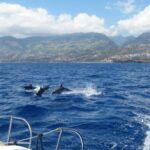
- Dolphins: often the most likely sighting, and you might get the chance to view them from relatively close range
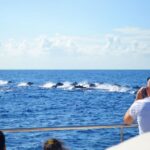
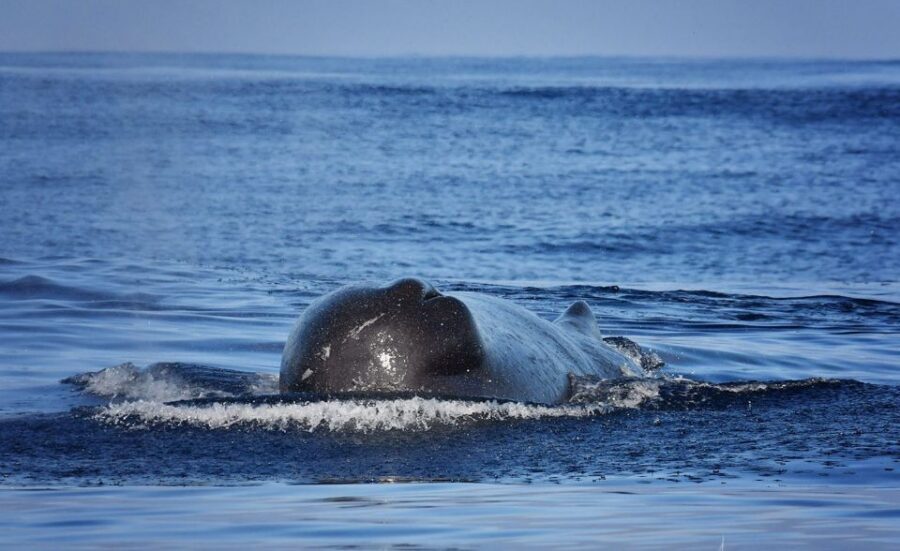
- Whale species: sightings are exciting when they happen, including the kind of surface activity that makes everyone go quiet and then start pointing
- Monk seals: the tour includes this as part of what you’ll try to spot in their natural habitat
- Birds: seabirds are part of the watch too, and they help signal where marine activity is happening
The feedback also highlights different dolphin species, plus the feeling that animals are approached with care. One of the most consistent notes is that the guides and crew keep distance and don’t push wildlife into stressful behavior. You’re watching animals in their home, not conducting a nature performance.
And about success: the tour reports an 85.6% success rate for spotting marine mammal species. Translation for you: even if whales don’t surface, you still have a strong chance of a dolphin sighting or another marine mammal moment.
Dolphin and whale viewing tips (so your eyes do real work)
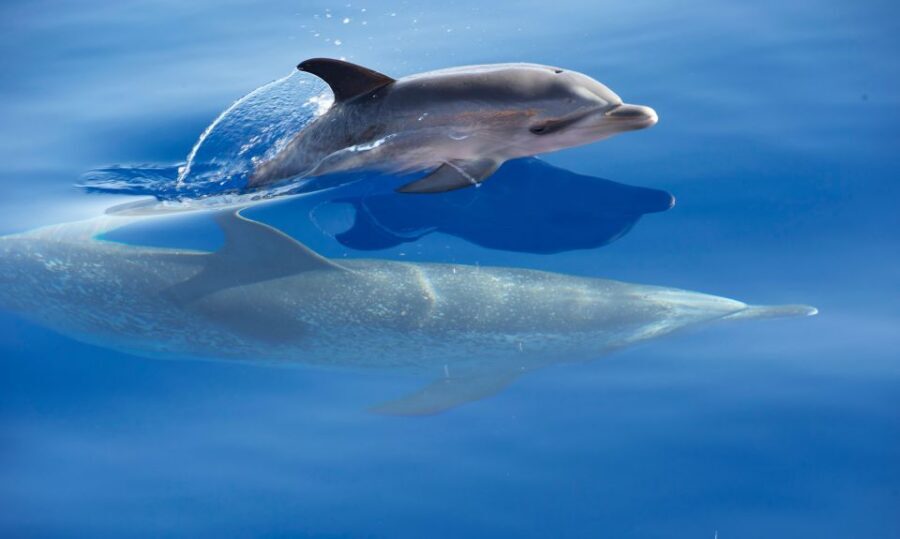
Even with great guiding, you’ll enjoy the experience more if you know how sightings usually announce themselves.
When dolphins or whales are around, look for:
- Fast changes on the water surface: a ripple pattern that spreads differently than normal waves
- Short bursts of activity: a quick fin break, then nothing for a bit
- Coordinated movement: with dolphins, you may notice traveling lines or repeated passes
- Bird behavior: if seabirds suddenly gather in one area, it can hint at marine feeding
What the guide adds is the “so what.” A good guide explains why you might be seeing what you see. In multiple accounts, the guiding was described as interactive, friendly, and deeply invested in both wildlife and environmental issues. One guide highlighted by name is Paula, described as also a marine biologist. Another guide name that comes up often is Camilla, who helped people understand the animals as the sightings happened.
So when you’re on board, don’t just stare. Ask questions, listen for cues, and adjust your scanning based on what the guide is pointing out.



The coastline from sea level: Madeira looks different when you’re moving
Even if your priority is marine mammals, you’re still getting a second experience: the Madeira coastline from open water.
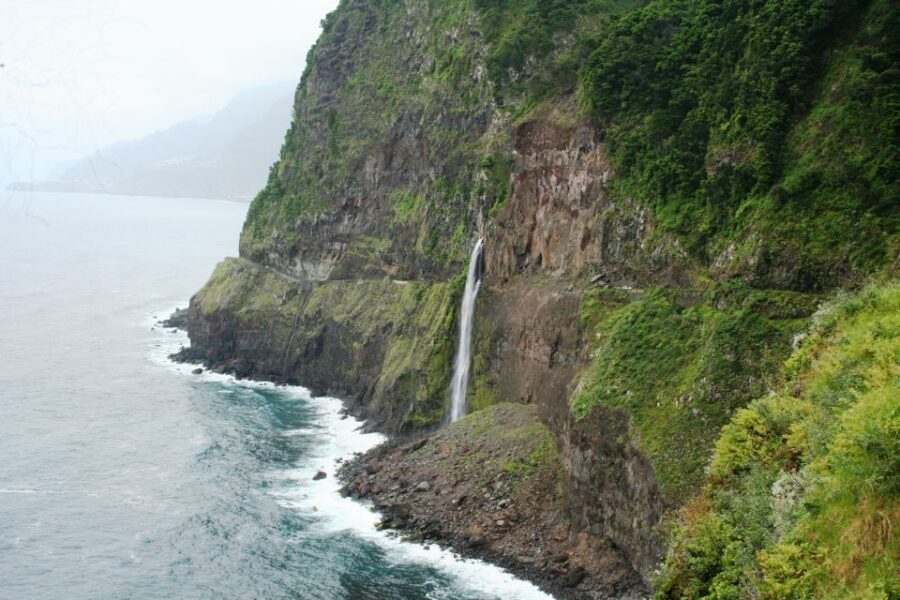
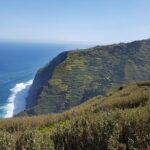
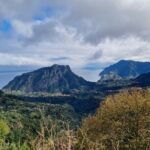
You’ll be sailing along views that feel more dramatic from the sea than from viewpoints on land. The coastline lines, cliffs, and inlets look sharper and more layered as the boat moves. It’s the kind of visual payoff that makes the trip feel like more than a wildlife lottery.
This is also one reason the 2.5-hour duration works. You’re not waiting for an all-day loop to “maybe” pay off. You’re doing active watching while the scenery changes in real time.
Respect for wildlife: why this trip feels different from the usual churn
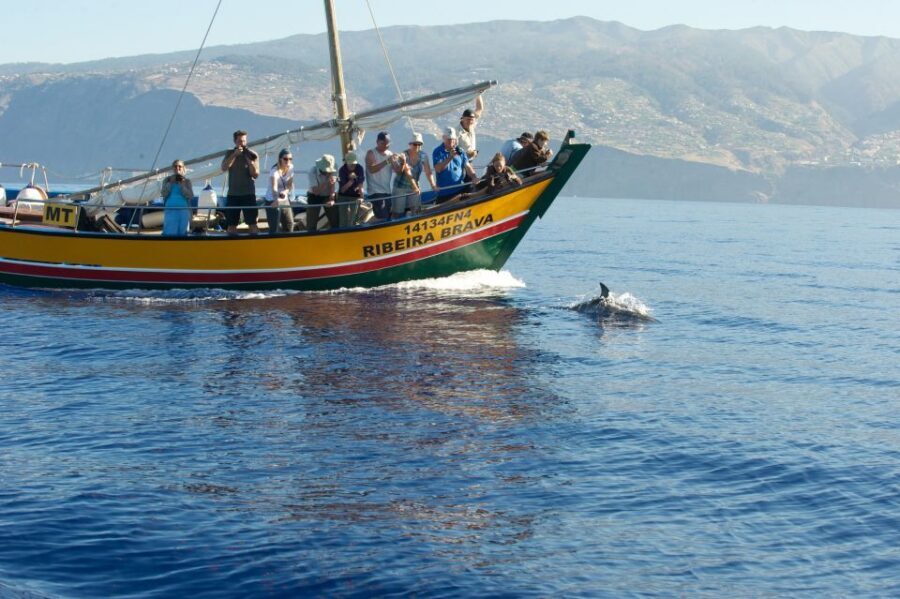
A lot of “animal” tours say they’re respectful. This one earns it in the details people describe.
The main theme is simple: the crew keeps distance and prioritizes animal comfort. That’s not only ethical. It also makes the viewing better. If wildlife isn’t stressed or pushed, it stays in the area longer, feeding or traveling, which increases your chance to observe behavior rather than just catch a glimpse.
You’ll hear this reflected in comments about respectful approach and no harm done. People also noted the professionalism of both the guide and the captain when it came to safety and calm movement through the ocean. When the boat ride is steady, wildlife spotting becomes easier because your eyes can stay on the horizon longer.
One more point: the tour is set up around protected marine areas. That matters because it signals a mindset: you’re not just passing through random waters, you’re working within a framework where wildlife is expected and protected.
Price and value: how $53 makes sense for a 2.5-hour chance
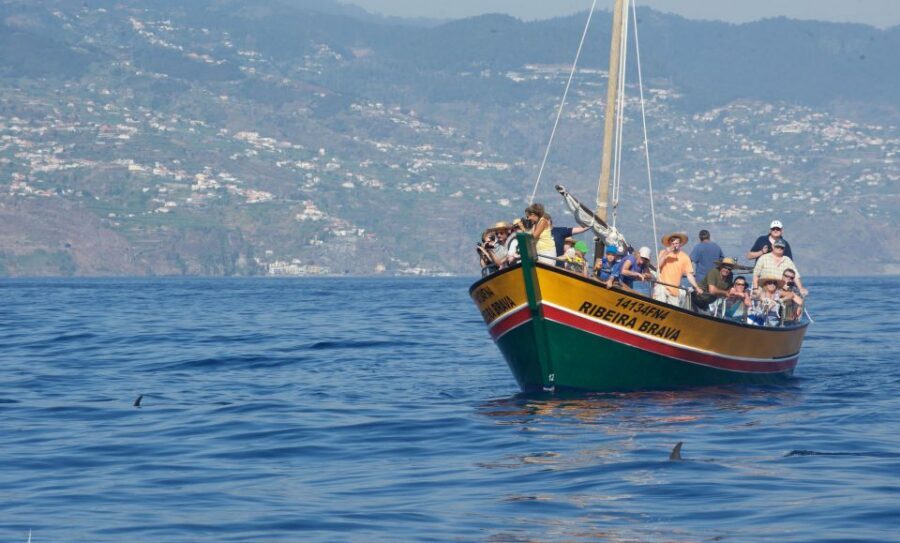
At $53 per person for a 2.5-hour excursion, you’re paying for three things:
1) a real boat experience (traditional Ribeira Brava)
2) live guiding in English or German
3) focused searching in the right marine zones
It’s not a bargain-basement activity. One note did mention it can be the most expensive Madeira experience compared with alternatives. But value isn’t just cost. Here, value comes from the success rate and the care in how the trip is run.
Consider this practical math: if whales were rare and guiding was minimal, price would feel steep. But with an 85.6% success rate for marine mammal sightings and a guide who actively helps you spot and understand what you’re seeing, the cost starts to look more reasonable. You’re buying guidance time and a higher probability of meaningful sightings.
Also, the duration matters. You’re not paying extra time for something that might not deliver. Two and a half hours is enough for chances without turning uncertainty into a half-day of stress.
Weather, sea state, and the reality check on whales
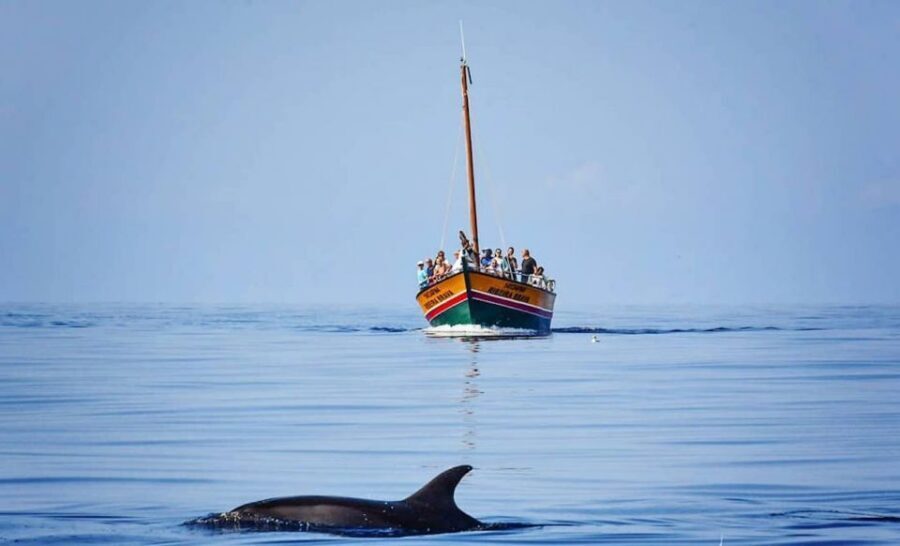
Let’s be honest: whales are not guaranteed. Even with a strong success rate, nature still decides how often you get that big surface moment.
Choppy weather can also affect the trip. One account noted the tour was shortened due to high waves. That’s your reminder to dress for the sea, not just for sunshine.
How to handle this realistically:
- Bring layers. Wind can flip the temperature fast once you’re out
- Wear shoes that work on a boat deck
- Expect dolphins more reliably than whales
- Keep the mental focus on the full wildlife picture (seabirds, monk seals if lucky, dolphin species)
If your main goal is whales specifically, you might still end up smiling at dolphins and other marine activity. And if you do get whales, it tends to feel like an extra bonus rather than a certainty you can plan around.
Who this tour suits best (and who might look elsewhere)
This excursion is ideal if you:
- Want a guided wildlife experience, not just a generic boat ride
- Appreciate a traditional vessel like the Ribeira Brava, not only modern sightseeing platforms
- Care about animal-friendly behavior and want distance maintained
- Have limited time but still want real time out at sea
It may not be the best fit if:
- You’re prone to motion sickness and aren’t comfortable on boats
- You need an all-weather, guaranteed schedule regardless of sea conditions
- You’re trying to spend as little as possible and don’t mind lower chance experiences
Should you book this Madeira whale watching trip?
If you want the best odds of marine mammal sightings in a short, well-run outing, I’d book it. The combination of a traditional wooden boat, live guiding in English or German, and a stated 85.6% success rate is exactly the kind of structure that reduces the “hope and stare” frustration.
My decision rule is simple:
- If you can handle being flexible about nature and weather, this is a strong choice.
- If seeing whales is your only target, you should still come with a backup mindset for dolphins and other wildlife.
Given the 4.7 rating from 273 reviews and the consistent emphasis on respectful handling of animals, it’s the kind of tour where you feel taken care of while you do the real work of watching the ocean.
FAQ
What is the duration of the Madeira whale watching excursion?
The tour lasts 2.5 hours.
How much does it cost per person?
The price is $53 per person.
Where do I meet for the tour?
You meet in the marina area between the restaurants Aki Kalheta and Leme Marisqueira.
What wildlife does this excursion aim to spot?
You’ll try to spot monk seals, different bird species, dolphins, and whale species.
Does the tour have a guide and what languages are offered?
Yes, there is a live tour guide. The tour is offered in English and German.
What is the chance of seeing marine mammals?
The reported success rate for spotting marine mammal species is 85.6%.
Can I cancel for a full refund?
Yes. Free cancellation is available up to 24 hours in advance for a full refund.