REVIEW · 4WD JEEP SAFARIS
Madeira: Santana Jeep Tour Revealing the East’s Treasures
Book on GetYourGuide →Operated by Green Devil Safari - open 4x4 tours · Bookable on GetYourGuide
This ride changes the way you see Madeira’s northeast. You trade the sightseeing bus for an open 4×4, ride the rougher roads, and get close to the island’s gardens, cliffs, and village life. It’s built around the east’s real rhythm, from Sao Vicente’s coast-town mood to Caniçal’s fishing-village atmosphere, all in one long day.
I love the off-road 4×4 experience and the way it makes every viewpoint feel earned, not scheduled. I also really like the mix of stops: you don’t just look at pretty places, you learn how sugarcane and rum shaped this part of the island, then cap it with the unmistakable Santana triangular houses for photos.
One consideration: the tour is not suitable for people with back problems, and the ride is a rugged one, so plan for a day that’s physical in a way a flat walking tour isn’t.
In This Review
- Key highlights you should care about
- Madeira’s East by Open 4×4: Why This Feels Different
- Funchal Pickup and the Small-Group Feel
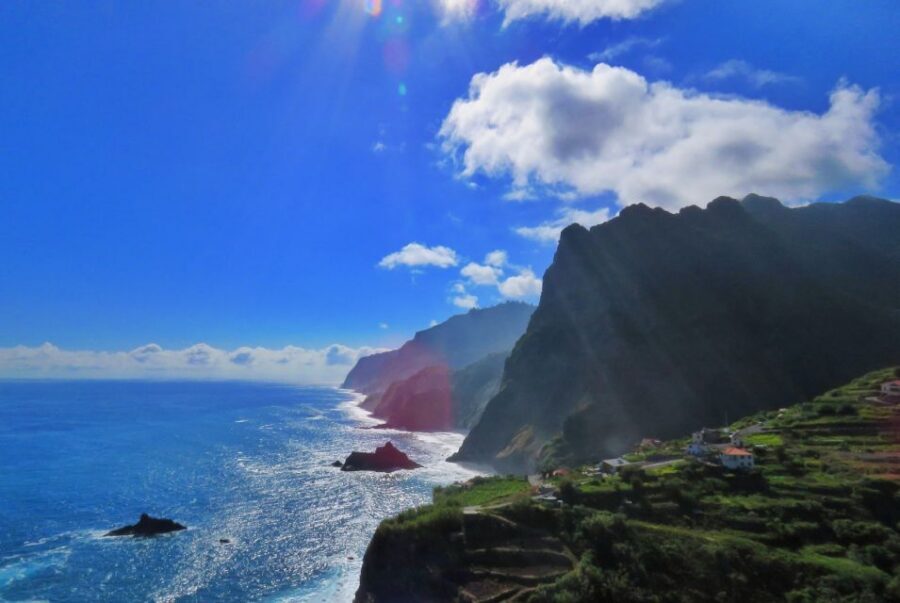
- Sao Vicente to São Jorge: Coast Cliffs, Hill Farms, and Panoramas
- Porto da Cruz and Sugarcane Country: Where Farming Meets Flavor
- Santana’s Triangular Houses: Iconic Color and Thatched Tradition
- Engenhos do Norte: Rum-Making You Can Smell
- Caniçal: Ending in a Real Fishing Village by the Sea
- Timing, Group Size, and How to Plan Your Day
- Who Should Book This Santana Jeep Tour
- Should You Book It?
- FAQ
- How long is the Santana Jeep Tour?
- What is the price per person?
- What’s included in the tour price?
- Is pickup included, and are there extra fees outside Funchal city?
- What language options are available with the live guide?
- Is lunch included?
- What should I bring?
- Is the tour suitable for everyone?
- What’s the cancellation policy?
Key highlights you should care about
- Open 4×4 for sea views and closer air, scents, and pace
- Off-road time plus multiple coastal viewpoints across the northeast
- Santana’s colorful triangular houses plus thatched-roof tradition
- Sugarcane processing stops tied to local Malvasia culture
- Engenhos do Norte rum-making experience focused on craft and smell
- Guides who bring the route alive, including Antonio and Lino
Madeira’s East by Open 4×4: Why This Feels Different
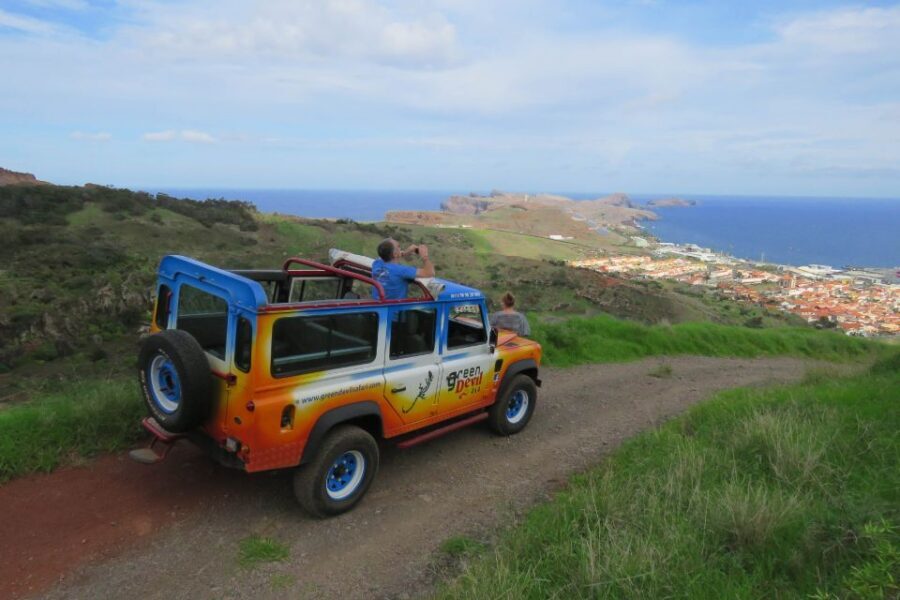
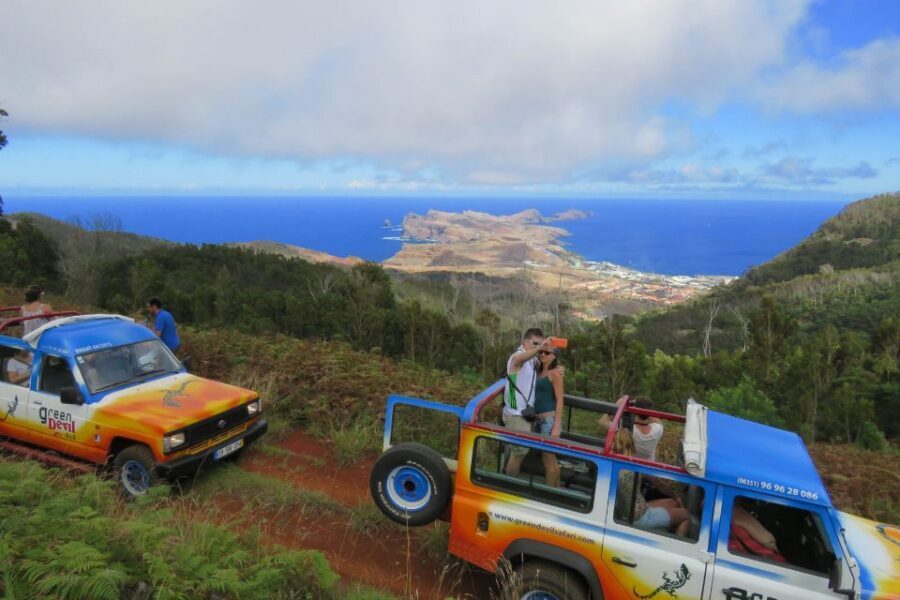
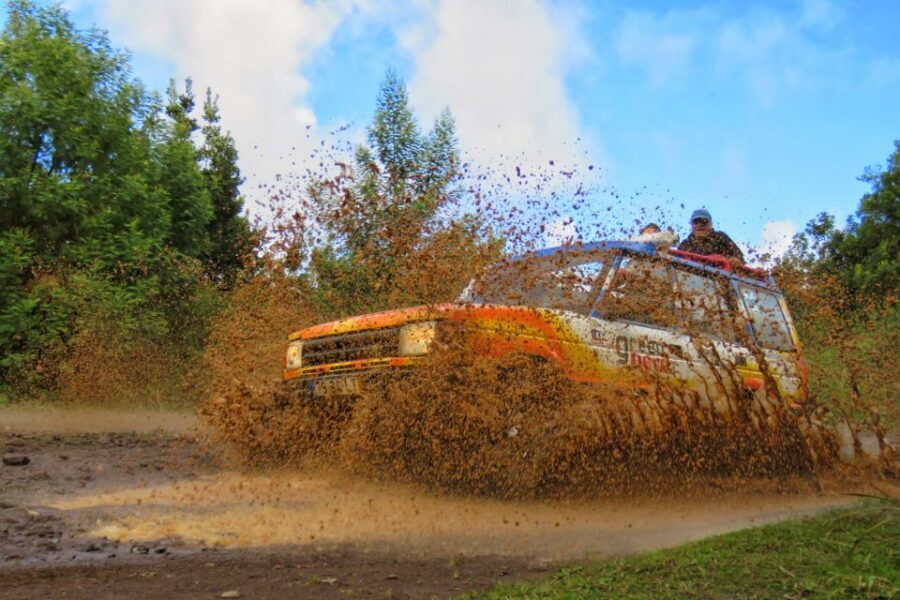
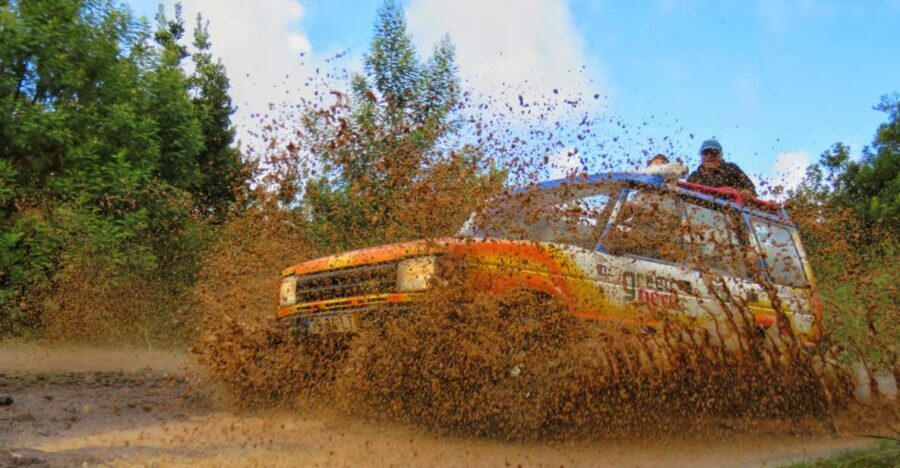
This tour is built on one big idea: the east of Madeira is best understood from the road less traveled. In an open 4×4, you don’t just pass by places. You feel the changes in terrain as you climb, drop, and swing around coastline edges. That matters on Madeira, where the dramatic parts are often just around the next bend, not at the end of a long bus ride.
The vehicle also changes the sensory side of the day. With open air, you catch the garden scents and the overall feel of the island in motion, not just when you stop for a quick photo. It’s a more active way to experience places like Sao Vicente and São Jorge, where the views are tied to steep slopes and coastal cliffs.
You can also read our reviews of more tours and experiences in Madeira.


Funchal Pickup and the Small-Group Feel
Pickup is included in Funchal city (outside Funchal city can cost extra). That’s helpful because you start with less hassle and more time for the actual route. It also means you’ll likely begin the day together and stay together, which makes the tour feel more like a shared trip than a string of separate stops.
The tour runs as private or small groups, and that tends to matter for guide attention. In the feedback for this experience, people repeatedly praise the guidance quality and the personal feel. One highlight: the guide Antonio is praised for showing the island’s secrets and sharing solid information, with excellent German skills called out directly. Another guide, Lino, also received strong marks, even when bookings involved a different language arrangement than expected. Translation aside, the takeaway is that the route teaching stays clear and friendly.
Sao Vicente to São Jorge: Coast Cliffs, Hill Farms, and Panoramas
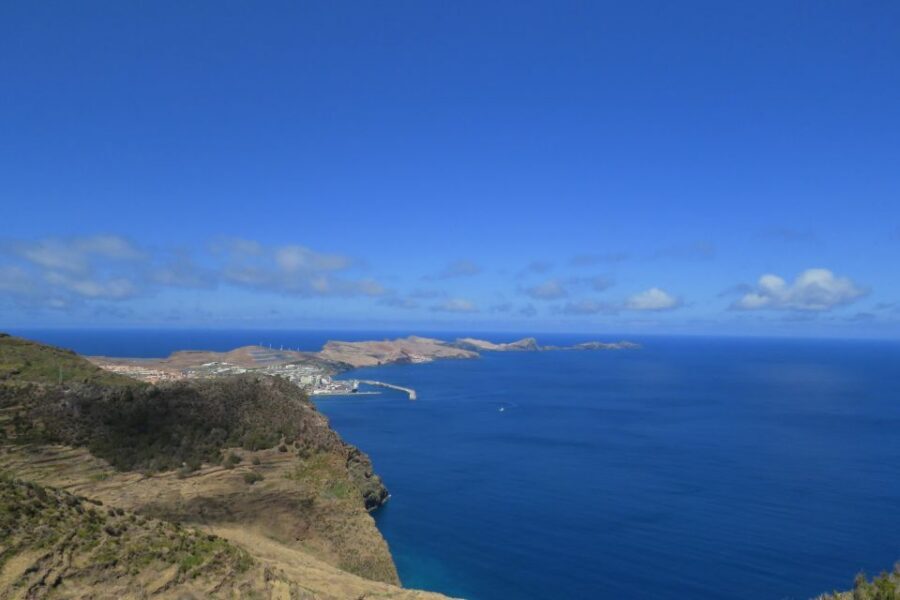
The core arc of the day runs along the northeast. You’ll visit Sao Vicente, Ponta Delgada, and São Jorge, and the order matters because each stop shows a different side of the coastline-and-slope relationship.
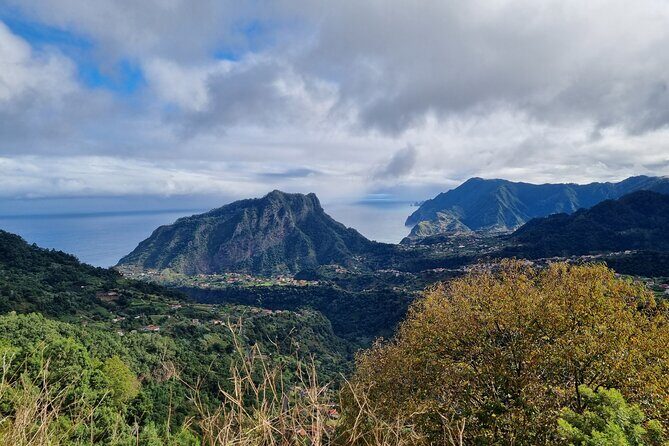
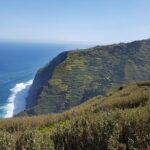
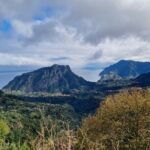
At Sao Vicente, you’re on the island’s north coast, where the sea feels close and the coast towns don’t act like tourist props. Expect a local feel and wide sightlines over the water. Then you move inland and upward toward Ponta Delgada and São Jorge, where the terrain shifts into hillside living. This is where you start seeing the island as a working place, not just a place to view.
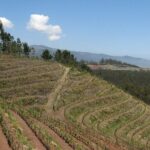
São Jorge in particular is described as a hillside haven, framed by lush valleys and clear waters in the way Madeira’s geography naturally organizes views. If you enjoy places that look like they could be used for farming or daily life, this stretch is where the tour delivers. You’ll get panoramic outlook points that explain why people built homes and fields where they did.
Practical note: this is a long day, and some stops involve getting in and out of the vehicle for views and short walks. Wear comfortable clothes and be ready for the day’s pace.
Porto da Cruz and Sugarcane Country: Where Farming Meets Flavor
From the coastal viewpoints, the tour turns into food-and-craft territory. You’ll head to Porto da Cruz, historically a place where explorers once anchored, and also a key area for sugarcane activity. Here, the theme becomes how this region feeds into Madeira’s broader identity.
The tour focuses on sugarcane processing and the way agriculture shapes local culture. In practical terms, that means you’re not only seeing plants or terraces from a distance. You’re guided through how the cane becomes a product that locals value, which helps you connect the dots between what you taste later and what you saw along the way.
You’ll also hear about the agricultural side of Madeira, including mention of famous Malvasia wine connected with this region’s output. Even if you don’t go deep into winemaking details, it gives you a framework: this island economy didn’t survive on views alone. It survived through land work, processing, and trade.
If you’re the kind of person who likes stories tied to daily labor, this part is a highlight. If you’re only after photo points, you might still enjoy it, but it’s the most learning-heavy stretch of the day.
Santana’s Triangular Houses: Iconic Color and Thatched Tradition
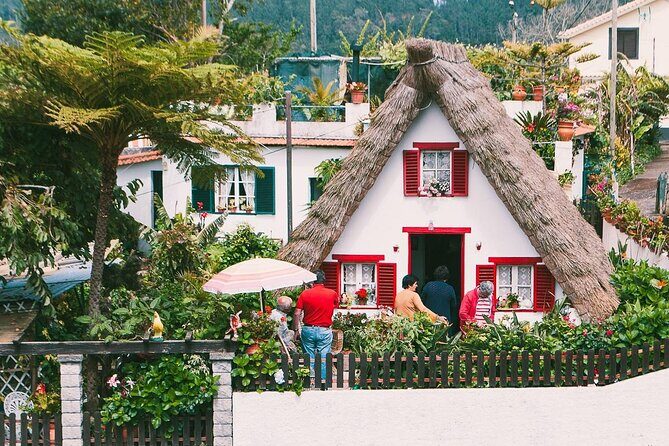
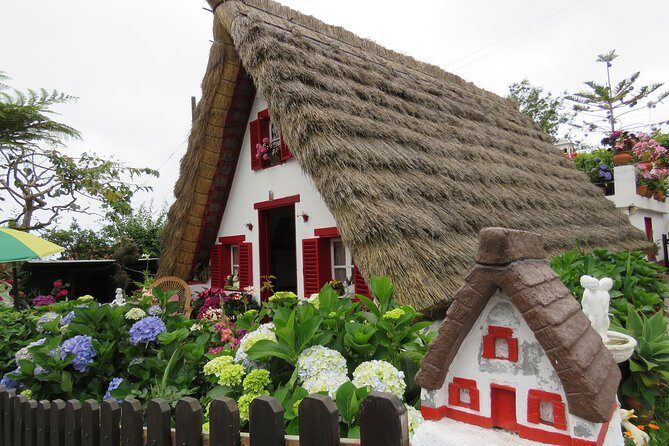
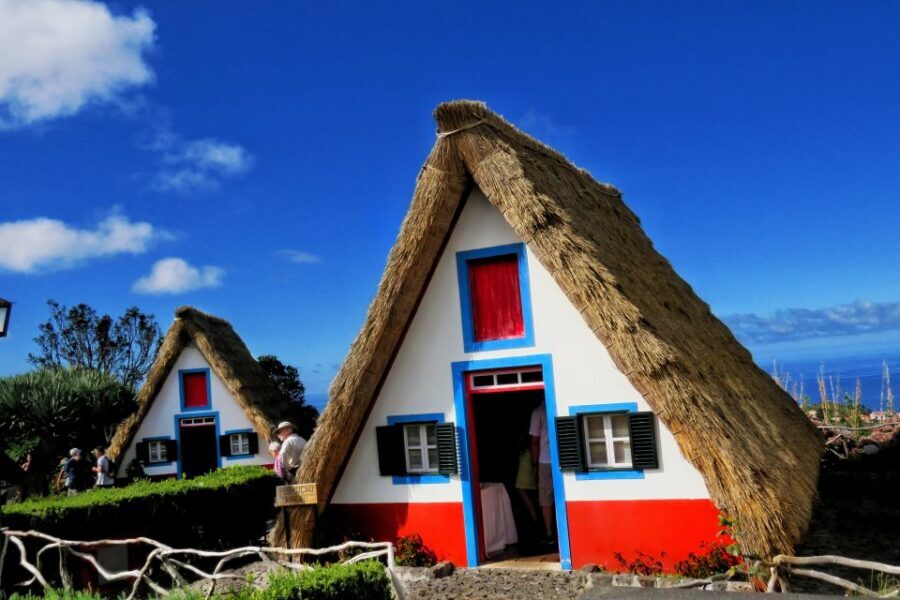
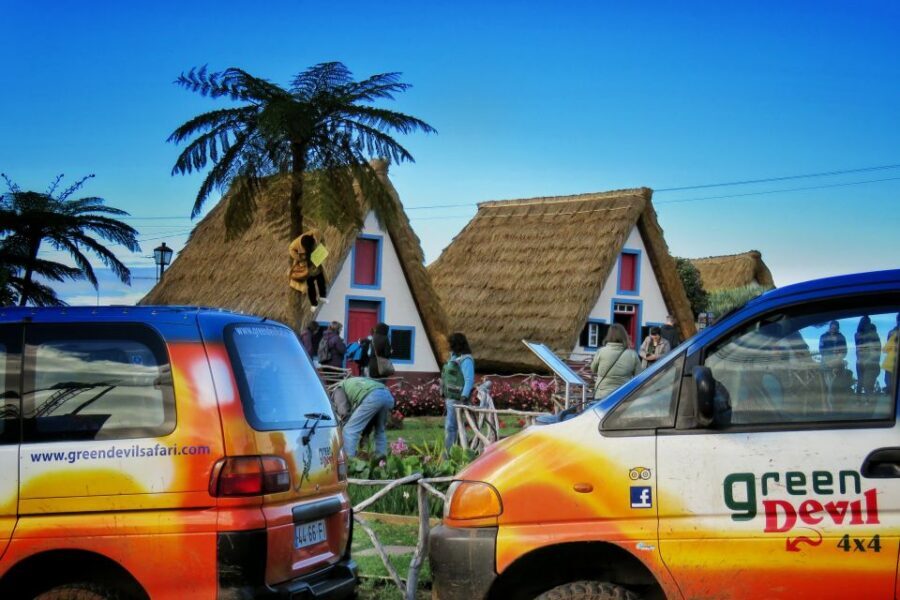
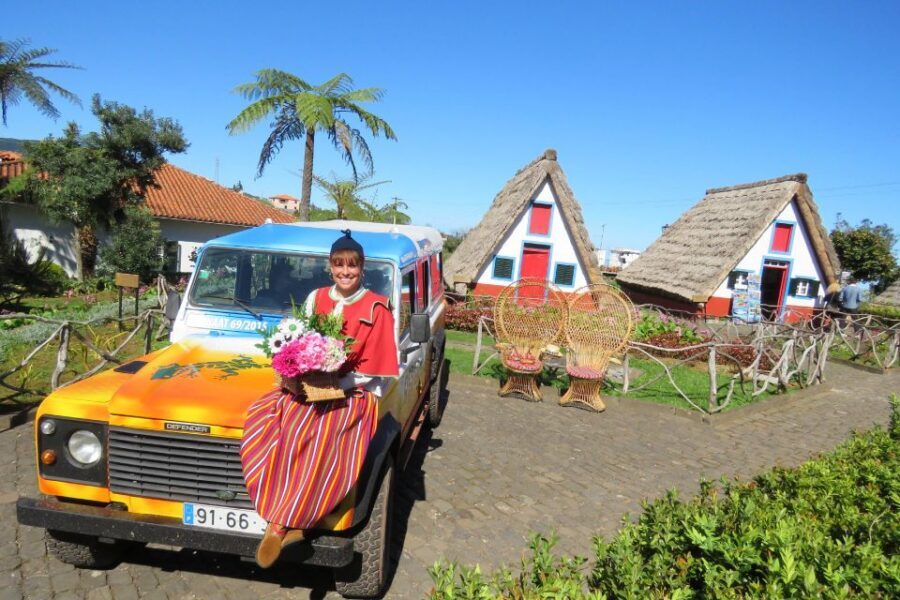
Then comes one of Madeira’s most recognizable photo stops: the Houses of Santana. These are colorful, triangular-shaped homes with thatched roofing, and the tour is timed so you can get a selfie right next to them.
What I like about this stop is that it’s not treated like a roadside theme park. It’s placed in the middle of the day’s route so you understand why these houses belong here: the island’s traditions aren’t separate from its geography. You’ve already been through hillside and coastal areas, so when you arrive at Santana-style homes, the architectural choices start making sense.
You’ll also visit traditional factories and a saw mill as part of the wider Santana-area theme. That matters because it links the village’s look to how goods were produced and materials were handled. If you like cultural details, this stop gives you something concrete beyond the classic triangular-house picture.
One drawback to plan for: the tour runs for 8 hours, so you may not have unlimited time at each photo spot. That’s usually fine if you like moving efficiently and catching the key shots without overthinking it.


Engenhos do Norte: Rum-Making You Can Smell
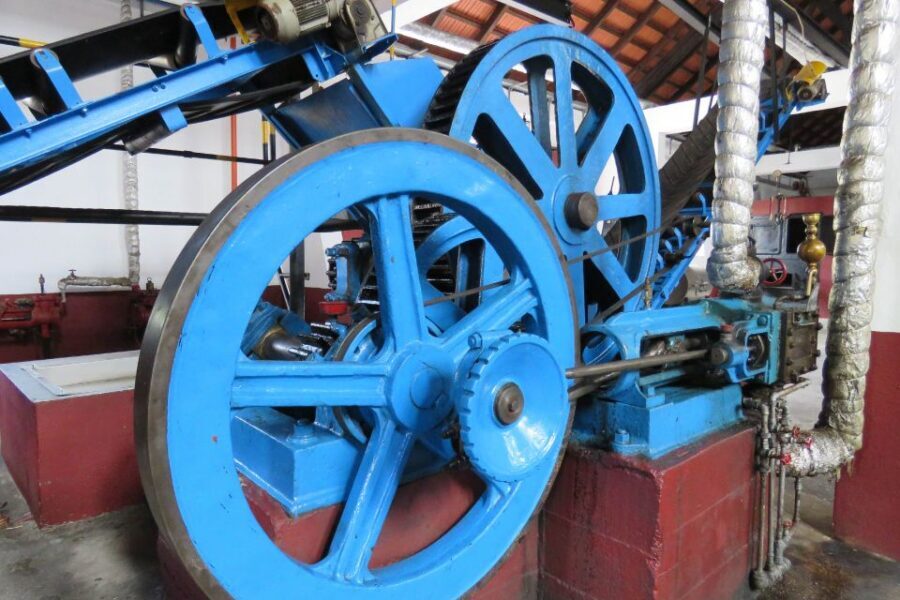
The rum stop is the craft centerpiece: Engenhos do Norte. The tour doesn’t just pass through; it’s designed around the process of making rum, with special attention to the sights and smells of production.
In Madeira, food and drink aren’t separate categories. They’re tied to sugarcane and to the long work of turning crops into products. By the time you reach Engenhos do Norte, you’ve already seen the sugarcane context, so the distillery visit lands better than it would as a standalone attraction.
What to expect in style: a guided walk through the process and explanations geared for real understanding, not just a sales pitch. Reviews for this tour consistently highlight guide quality, and rum-making is the kind of stop where guide clarity makes a difference. This is also one of the moments when the open-air travel earlier pays off: you arrive after hours of outdoor viewing, then shift to a concentrated, sensory production experience.
If you’re curious about the connection between agriculture and spirit-making, this is likely one of your favorite stops.
Caniçal: Ending in a Real Fishing Village by the Sea
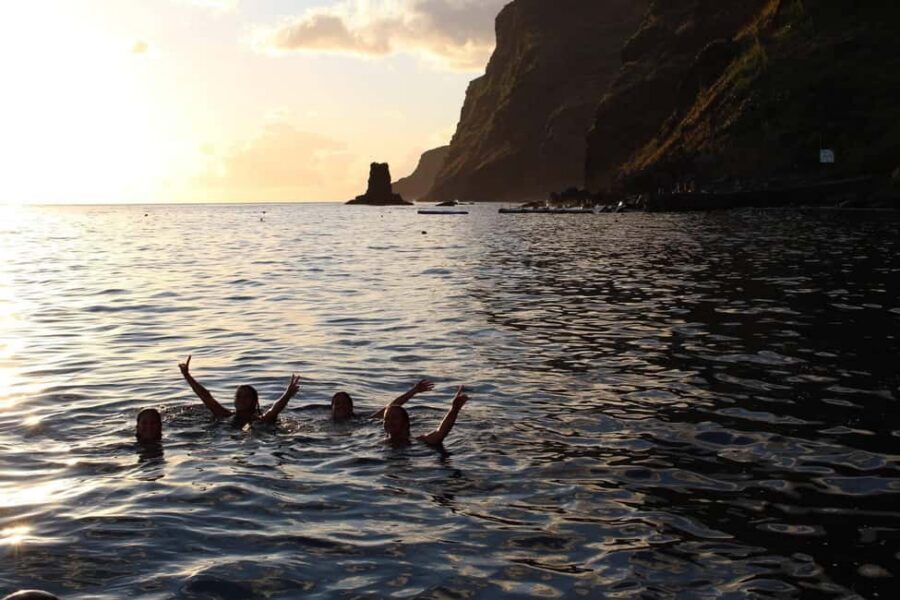
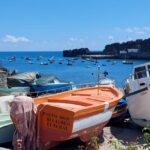
The day wraps in Caniçal, described as a quaint fishing village where you can almost hear the island’s stories in the sea sounds. This matters because it closes the loop of the tour’s themes. Early on, you see cliffs, valleys, and farms. Then you learn about processing and craft. Ending in a fishing place brings the day back to everyday livelihood.
The tour focuses on local fishing traditions, helping you understand that the coast isn’t only scenery. It’s a working edge of the island—people live from it, manage it, and build community around it.
If you’re hoping for a satisfying end to a long day, this one tends to do well because it feels calmer and more grounded than another quick attraction stop.
Timing, Group Size, and How to Plan Your Day
An 8-hour duration means you’ll be out for most of the day. That works best if you treat it as your main activity, not something you squeeze in around other sightseeing. The pickup is in Funchal city, which helps you start smoothly, and the tour then strings together a sequence of east-coast and inland stops.
Language coverage is broad: Spanish, English, French, Portuguese, German. That’s a real value if you’re traveling with family or friends across languages. One detail I appreciate from the guide feedback: even when bookings didn’t match the language plan exactly, the tour quality stayed high. In other words, you’re less likely to feel stranded by translation issues than on some low-cost tours.
Lunch is optional (priced separately), so plan for whether you’ll want a break and how you’ll handle meals. Since the tour is designed around multiple stops, you’ll probably appreciate having snacks and water habits you’re comfortable with before you board.
Who Should Book This Santana Jeep Tour
This tour fits best if you want Madeira’s east with energy and context, not just short viewpoints.
You’ll likely love it if:
- You enjoy off-road road time and open-vehicle views.
- You want culture plus food-and-craft learning, especially around sugarcane and rum.
- You care about iconic sights like Santana’s triangular houses, but want the day to explain why they matter.
- You like guides who communicate clearly and personally. Antonio and Lino are repeatedly praised for friendliness and good information delivery.
You might reconsider if:
- You have back problems, since it’s not suitable.
- You’re pregnant, since it’s not suitable.
- You prefer a fully relaxed, low-motion itinerary with minimal vehicle bouncing.
Also, if you’re the kind of traveler who loves scenic stops but feels bored by purely photo-based routes, this mix of cliffs, villages, and production stops is a good compromise.
Should You Book It?
Yes, if your ideal Madeira day includes rough-road viewpoints, hands-on culture stops, and the big east highlights in one shot. For the price point of $81 per person, you’re paying for a guided day with an open 4×4, multiple named regions across the northeast, and production-focused visits that connect agriculture, craft, and local identity. That’s value when you want more than a checklist.
If you’re sensitive to vehicle movement or you need a gentler pace, skip it. But if you’re ready for a full 8-hour day with a strong guide and a route that actually travels the island’s character, this one is a smart pick for Madeira’s east.
FAQ
How long is the Santana Jeep Tour?
It lasts 8 hours.
What is the price per person?
The price is listed as $81 per person.
What’s included in the tour price?
The included items are a local guide and pickup/drop-off in Funchal city (pickup outside of Funchal city can cost extra).
Is pickup included, and are there extra fees outside Funchal city?
Pickup is included for hotels in Funchal city. Pickup outside Funchal city has extra fees: €5 per person from the cruise dock or harbor and from several listed areas, and €10 per person from a shorter list of areas that includes Caniçal, Porto Moniz, Santo da Serra, and Ponta Delgada.
What language options are available with the live guide?
The live guide is available in Spanish, English, French, Portuguese, and German.
Is lunch included?
Lunch is not included. There’s an optional lunch listed for €16.
What should I bring?
You should wear comfortable clothes.
Is the tour suitable for everyone?
No. It is not suitable for pregnant women or for people with back problems.
What’s the cancellation policy?
You can cancel up to 24 hours in advance for a full refund.