REVIEW
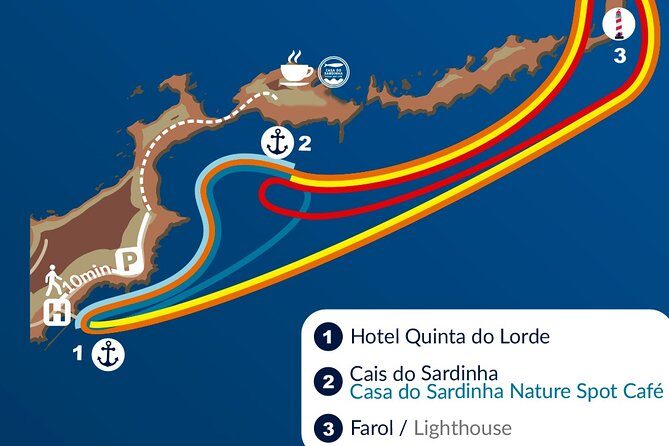
Lighthouse View 3 (Cais do Sardinha, Lighthouse and return to Cais do Sardinha)
Book on Viator →Operated by Madeira Sea Emotions · Bookable on Viator
Ponta de São Lourenço has a way of making Madeira feel wilder. This short trip to the lighthouse area mixes sea views with a surprisingly nature-heavy stop, so you get basalt cliffs, bird life, and that exposed North-coast feeling without losing half a day. I especially like the small-group vibe (max 18) and the staff-led explanations, with crew members like Filipe and João Veiga earning praise for how clearly they talk and how safe it feels. One drawback to plan for: wind can make hearing tough and waves can feel bigger on the North side.
You start at the Cafetaria Sardine House area in Caniçal, then head out toward the lighthouse and peninsula, with time back at Cais do Sardinha for a quick dip and a brief café stop. The whole thing runs about 30 to 45 minutes, costs $24.08, and is offered in English with a mobile ticket. If you’re sensitive to swell or you hate cold gusts, this is the kind of tour you’ll want good weather for.
In This Review
- Key things you’ll notice on this Lighthouse View trip
- Why Ponta de São Lourenço and its lighthouse are worth your time
- Price, duration, and what $24.08 really buys you
- Getting started at Cafetaria Sardine House in Caniçal
- On the water: Cais do Sardinha views, caves, and the North-coast feel
- Stop at Ponta de São Lourenço: basalt, islets, and protected nature
- Birdlife and wildlife you might actually spot
- The lighthouse moment: what you’re seeing (and why it feels different)
- Cais do Sardinha: quick swim time plus snacks
- The crew factor: why staff explanations make a difference
- Practical tips to help you enjoy it (not just survive it)
- Who should book this tour (and who should think twice)
- Should you book Lighthouse View 3?
Key things you’ll notice on this Lighthouse View trip
- You’re aiming at Madeira’s oldest lighthouse within the Ponta de São Lourenço area
- North-coast conditions can be real: wind and swell affect ride comfort and audio
- You’re walking through protected nature shaped by basalt, limestone, and salty exposure
- Wildlife is part of the point: seabirds, a Madeiran lizard, endemic plants, and possible sea-wolf sightings
- Cais do Sardinha makes it practical with a quick swim option and a nearby snack stop
- English is supported, and staff know the history and ecology well
Why Ponta de São Lourenço and its lighthouse are worth your time
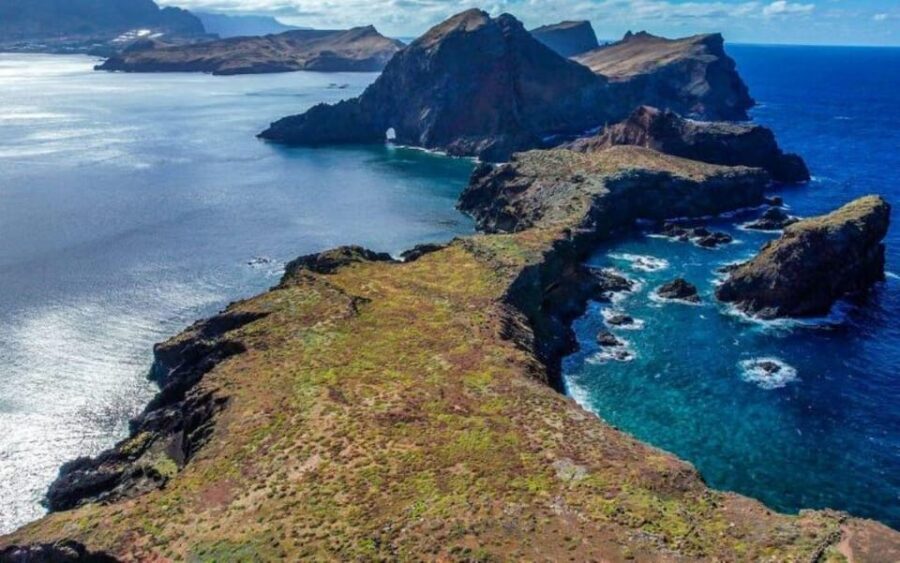
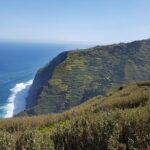
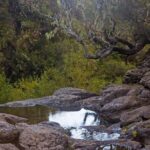
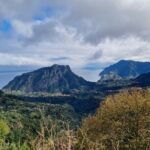
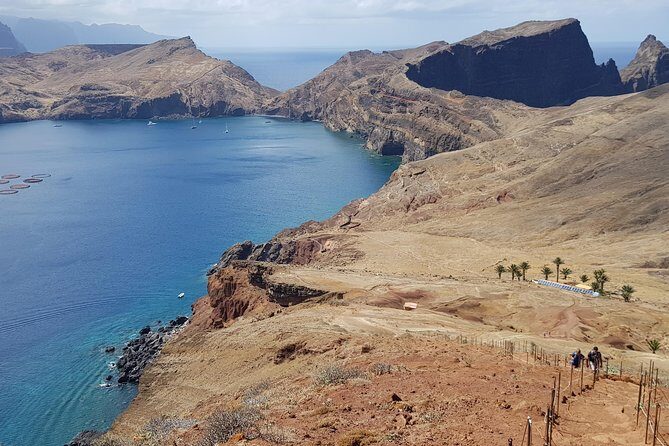
Ponta de São Lourenço is Madeira’s “no trees, all rock” side. It’s volcanic in origin, made largely of basalt, with some limestone sediment layers showing up too. The peninsula sits exposed to North winds, and that constant pressure is what sculpts the low vegetation. So instead of the usual green look you may expect from Madeira, you get a more dramatic, spare scenery—perfect for photos, but also perfect for nature spotting.
And then there’s the lighthouse. You’re visiting an area centered on a 150-year-old lighthouse, noted as the oldest in the Madeira archipelago. That matters because it’s not just a viewpoint for pretty pictures. It’s a fixed reference point in a very changeable environment—caves, calm pockets, and out in the open, where the sea can look calm one moment and move fast the next.
The real win is that the trip is short, so you can fit it in without rearranging your whole day. You also get a staff explanation that connects what you’re seeing (basalt, plants, birds, islets) to why the area is protected.
You can also read our reviews of more tours and experiences in Madeira.
Price, duration, and what $24.08 really buys you
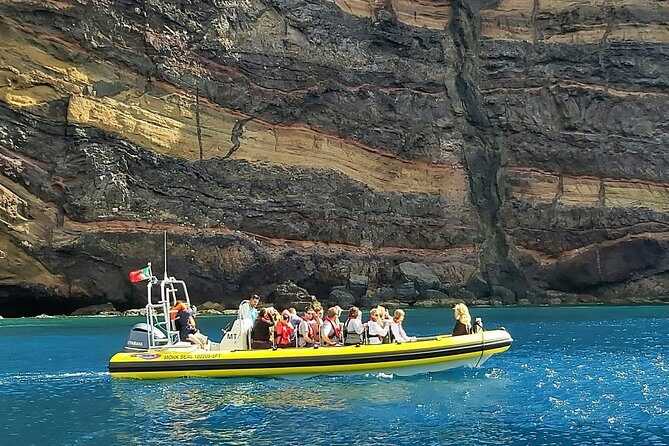
This tour is listed at $24.08 per person and runs about 30 to 45 minutes. That’s not a full-day “big production” outing. It’s more like a focused hit: water views to set the mood, a lighthouse/peninsula moment to understand the place, then back for a quick swim and snacks.
For the money, I think the value comes from three things you can actually use:
- Guided context, not just transportation. You’re told what to look for: caves, caves-and-bays type coastline, and the ecology of the peninsula.
- A rare nature setting on a short schedule. Ponta de São Lourenço is partial natural reserve, with the surrounding sea and islets tied into Natura 2000-style protection.
- Flex time built in for Cais do Sardinha. A short dip can be a big payoff on a hot Madeira afternoon.
Also, it’s popular enough that booking around a month ahead is common. I’d treat it like a “timed-plan” activity—especially if you’re visiting in high season.
Getting started at Cafetaria Sardine House in Caniçal
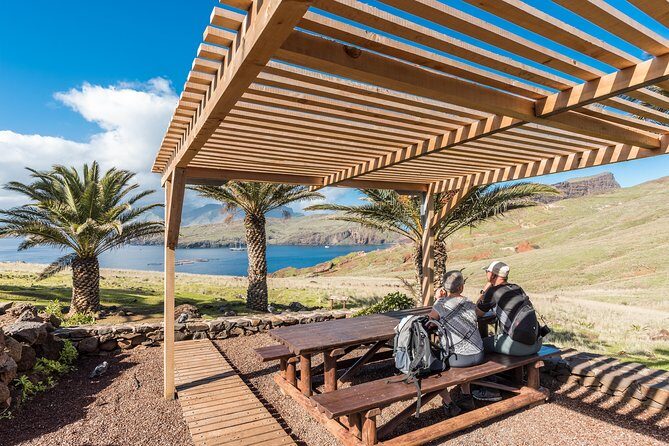
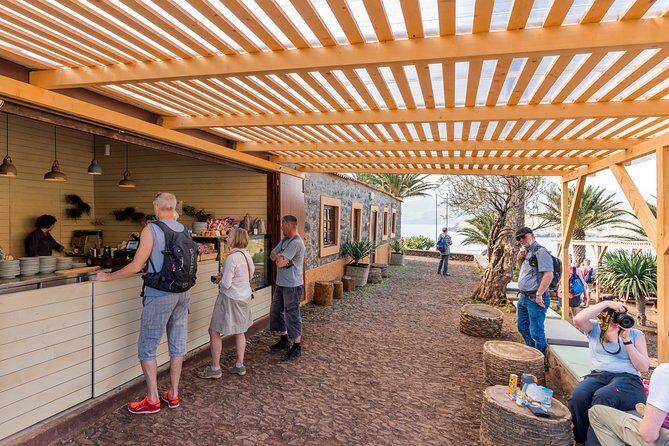
You meet at the Cafetaria Sardine House cafe & snacks at Ponta de São Lourenço, 9200-044 Caniçal, Portugal. That’s a good setup because it’s practical: you’re not wandering a far-flung pier complex trying to find a gate.
Bring what you’d bring for a coastal walk. Even though this isn’t a long hike, you’ll be out near the water and likely exposed to wind. If you have a sensitive ear, you’ll be glad you thought about it: at least one participant noted that the wind and noise can make the guide harder to hear, and suggested a voice amplifier would help.
If you’re traveling with a service animal, the tour allows service animals. (That’s a real help for planning when you’re trying to keep things simple.)
On the water: Cais do Sardinha views, caves, and the North-coast feel
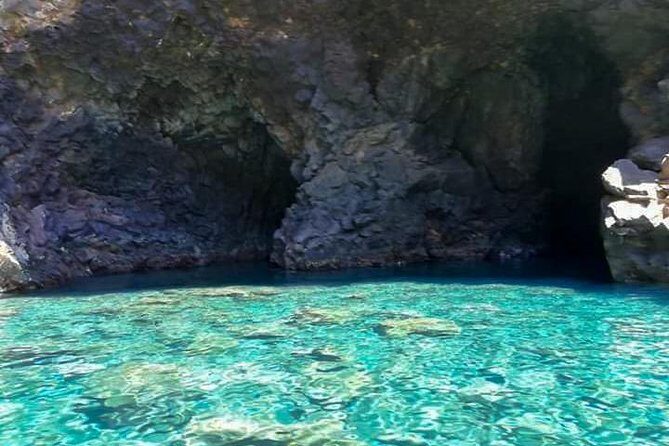
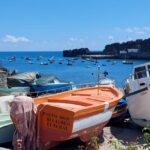
Even with a short duration, the sea part is where you set the tone for the whole peninsula. Cais do Sardinha is part of the route, and you get coastline views that include caves and calm bays along the North coast character. The water visibility here can be striking, and the route gives you the kind of “look down” moments where you can see depth and rock edges.
One useful caution: the North side can bring swell. A reviewer described bigger waves up north and still felt safe, but they also pointed out how engine accelerations and turns add physical sensations. If you get motion sickness easily, plan for it. If you don’t, you’ll probably love the energy.
Also, one participant mentioned that there were no lifejackets onboard. I can’t treat that as a guarantee for every departure, but it’s worth asking the crew before you leave. On a windy sea day, it’s better to confirm early than to be surprised later.
And yes, the ride is a bit about “feeling” the coast. That’s why this tour works even when the stop times are short.
Stop at Ponta de São Lourenço: basalt, islets, and protected nature
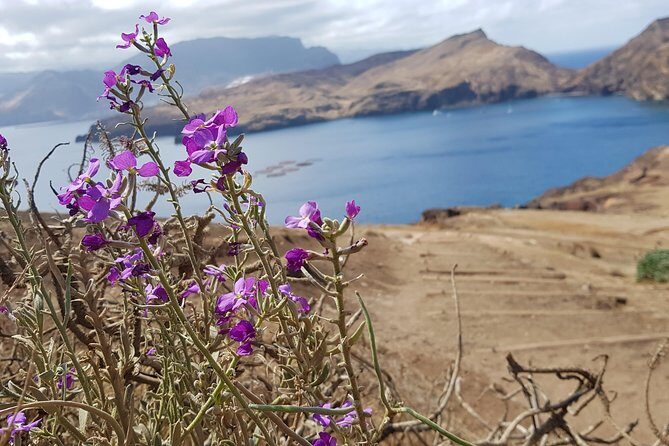
This is the heart of the experience. Ponta de São Lourenço is described as a partial natural reserve, and the Desembarcadouro islet is a total natural reserve. That protection isn’t just paperwork. It’s why the place is still so full of endemic plants and why you might see species tied to the island’s unique conditions.
The peninsula is mainly basalt. You’ll also see limestone sediment formations, which helps explain why the coastline and rock textures look different depending on where you stand. At the end of the point, there are two islets:
- Cevada, Metade or Desembarcadouro Islet
- S. Lourenço Point, Farol or Fora Islet
There’s also a stone partition marking where regional government land begins, which is part of the Madeira Natural Park. These boundaries matter because they reflect how the area is managed and protected.
Here’s what makes the biology part interesting (and not just “fun facts”):
- The semi-arid climate and North winds limit tree growth, so the vegetation is low and specialized.
- Of 138 plant species identified on the peninsula, 31 are endemic to Madeira.
- The area also has a high number of endemic land molluscs—24 species of snails tied to the peninsula.
That last bit is a great reminder that nature spotting isn’t only birds and seals. If the crew points out where to look, pay attention. Those small details are exactly what you can’t get from the road.
Birdlife and wildlife you might actually spot
This tour’s nature pitch isn’t vague. You’re in a place where bird nesting and endemic species are part of the ecology.
You may see:
- Seagulls, with one of the largest colonies of Larus cachinnans atlantis in the region
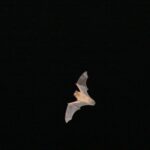
- Land birds like Berthelot’s Pipit, Goldfinch, Common Canary, and Kestrel
- Protected marine birds such as Cory’s Shearwater, Band-rumped Storm-Petrel, Bulwer’s Petrel, and Common Tern
- The Madeiran lizard (Lacerta dugesii), which is described as very common here
- In the sea, the possibility of the sea-wolf (Monachus monachus), described as the world’s rarest seal in this context
Now, don’t treat sea-wolf spotting like a guarantee. But being in the right waters is half the game, and this route is designed for that “if it happens, you’ll be in position” chance.
Also, on the horizon you can sometimes see the Desertas Islands to the south and Porto Santo to the north. That kind of view is quick, but it gives you scale for where you are in Madeira’s geography.
The lighthouse moment: what you’re seeing (and why it feels different)
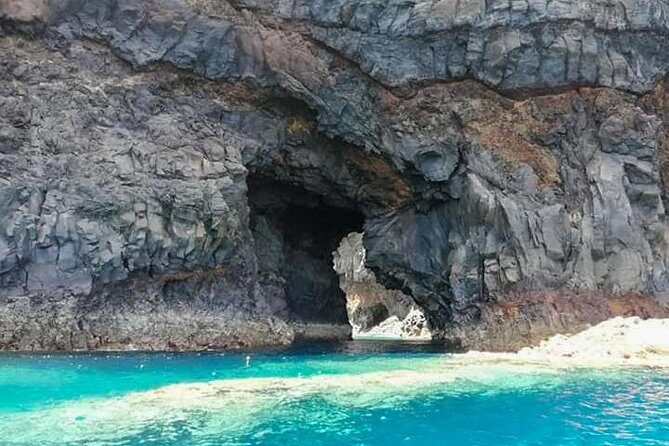
You’re there for the old lighthouse and the exposed peninsula setting around it. Lighthouse views are usually just a platform. Here, the platform is surrounded by protected land and sea, so the lighthouse feels like a piece of the landscape’s story rather than a random landmark.
One of the reasons this works as a “short trip with meaning” is that the crew can connect the visual to the science:
- basalt geology and the look of the rock
- the semi-arid plant communities
- the nesting birds tied to islets
- the marine conditions around caves and bays
A couple reviews praised the staff’s knowledge and explanations, and noted that routes sometimes run a bit longer than expected. That’s usually a sign the crew is reacting to what’s safe and scenic in the moment.
If wind is up, you might struggle to hear some parts. If you’re the person who turns their head to catch every word, don’t be shy about asking for key points again. Staff are used to the problem.
Cais do Sardinha: quick swim time plus snacks
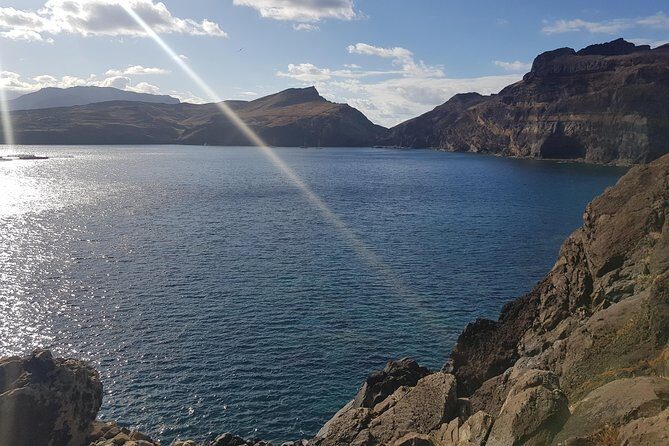
After the lighthouse/peninsula portion, you swing back toward Cais do Sardinha, where you get a short window for a swim in crystal-clear waters. The name sounds simple, but it’s a big deal in practice. It gives you a payoff that’s immediate. You’re not just looking at water—you’re in it, briefly, while conditions allow.
Then there’s a short stop at the Cafetaria Sardine House cafe & snacks. The schedule indicates about 15 minutes for this break, so think of it as refuel time rather than a full meal stop. In other words: if you need lunch, plan to handle that later.
The crew factor: why staff explanations make a difference
This kind of tour lives or dies on guidance. You’re in a protected area with lots of small cues: different bird species, vegetation types, rock formations, and the logic behind where the peninsula protection starts and ends.
In the notes you shared, the staff received repeated praise for professionalism and useful explanations. One review specifically praised the crew of Filipe and João Veiga and called out how they helped with a longer path than expected. Another highlighted a quiet trip, with the guide explaining well.
That’s what you want: a guide who can translate a windy, rocky coast into something you can actually understand while you’re there.
Practical tips to help you enjoy it (not just survive it)
Here’s how I’d prep for Lighthouse View 3:
- Pack for wind. Even on a sunny Madeira day, the North side can bring gusts. A light windbreaker helps more than a heavy jacket if you’re only out for 30 to 45 minutes.
- Consider motion sickness prevention. The ride includes turns and can include swell. If you’re prone to queasiness, bring what works for you.
- Bring camera batteries and keep them warm. Coastal air and wind can drain battery performance faster than you’d think.
- Ask about lifejackets before departure. One participant noted no lifejackets, and since that’s the kind of detail you want clarity on, ask the crew right away.
- Expect hearing issues in wind. If you’re hard of hearing or just get distracted, choose a spot where you can see the guide and watch for gestures.
- Bring sturdy footwear. You’re walking near rock edges and uneven coastal ground even if the walking is short.
Also, remember the group size: max 18 travelers. That’s usually manageable, and it helps the guide keep an eye on everyone when waves pick up.
Who should book this tour (and who should think twice)
I’d point you to this Lighthouse View trip if you:
- want a short, high-reward outing without a long schedule
- enjoy animal life and want a route designed for seeing birds and learning about the ecosystem
- like geology and “why this place looks different” explanations (basalt, limestone, semi-arid exposure)
- prefer small groups and clear guide-led interpretation
Think twice if you:
- get easily motion sick with boat rides or when swells are stronger
- struggle with hearing in wind (some noise is unavoidable here)
- are very strict about safety gear and want guaranteed lifejackets onboard—ask the operator first
Because the experience requires good weather, it’s also smart to treat it as a plan that’s weather-dependent.
Should you book Lighthouse View 3?
Yes, if you want a tight bundle of Madeira flavor: a real nature setting, an old lighthouse, and sea views that don’t feel like generic sightseeing. At $24.08 for a 30 to 45 minute outing with English support and a group limited to 18 people, the value is strong—especially because the staff guidance connects the scenery to protected land and sea.
Skip it or ask extra questions if you’re very sensitive to wind and swell, or if safety gear is non-negotiable for you. And if you’re the type who needs audio to feel engaged, come prepared for wind noise.
If you’re trying to experience the dramatic side of Madeira without spending hours, this one is a solid call.