Four centuries of Funchal stories in two hours. This small-group walk strings together noble intrigue, convent life, and explorer legends while you move off the main tourist grid and into quieter streets with big views. You’ll start at the Jesuits’ College, then stitch the city’s past together through places like the English Church and the Quinta das Cruzes viewpoint.
I love the pace. Guides keep it unhurried and answer questions as you go, with many people highlighting how they did not get rushed (and sometimes the group took a bit longer). I also love the focus on meaning, not just monuments: the walk links the French attack of 1566, British families in Funchal, and the nuns’ stories at Santa Clara to what you’re seeing in front of you.
The one thing to consider is the walking surface. You’ll cover cobbled lanes and slight inclines, so it’s not ideal if you have limited mobility, even though the tour is listed as wheelchair accessible.
In This Review
- Key things that make this tour worth your time
- Entering Funchal at the Jesuits’ College (and getting your bearings fast)
- The story of 1566: French attack, city power, and why the old streets matter
- The English neighbourhood: British families and the English Church
- Santa Clara Monastery: nuns, royal visitors, and queijadas
- Manor houses, noble families, and the city’s layered architecture
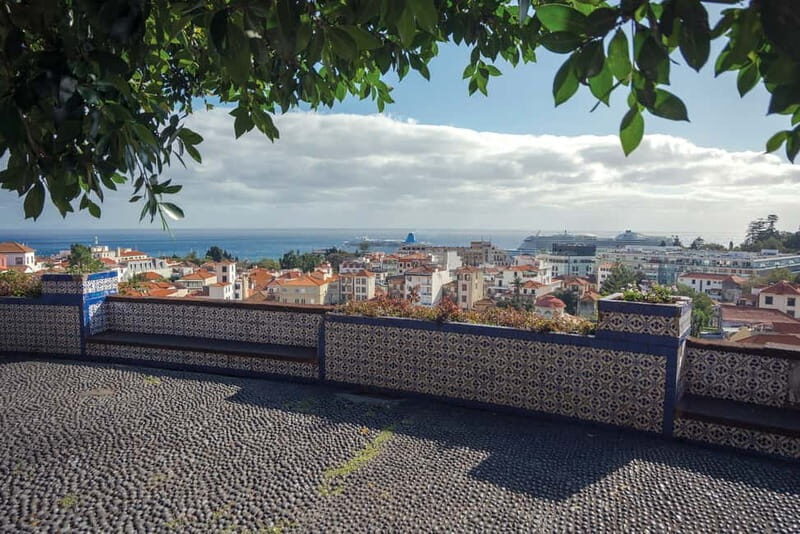
- Quinta das Cruzes viewpoint: the iconic view and João Gonçalves Zarco
- How long it really takes: 2 hours, small groups, and no feeling of being herded
- Price and value: why $17 can feel like a bargain in Madeira
- Who should book this tour (and who might skip it)
- Should you book Hidden Funchal: Stories & Secrets Tour?
- FAQ
- Where does the tour start?
- Where does the tour end?
- How long is the tour?
- Is the tour guided and in English?
- Is hotel pickup included?
- Is the tour wheelchair accessible?
- What should I bring?
- Are pets or luggage allowed?
- Is there a minimum age?
- What does my payment support?
Key things that make this tour worth your time
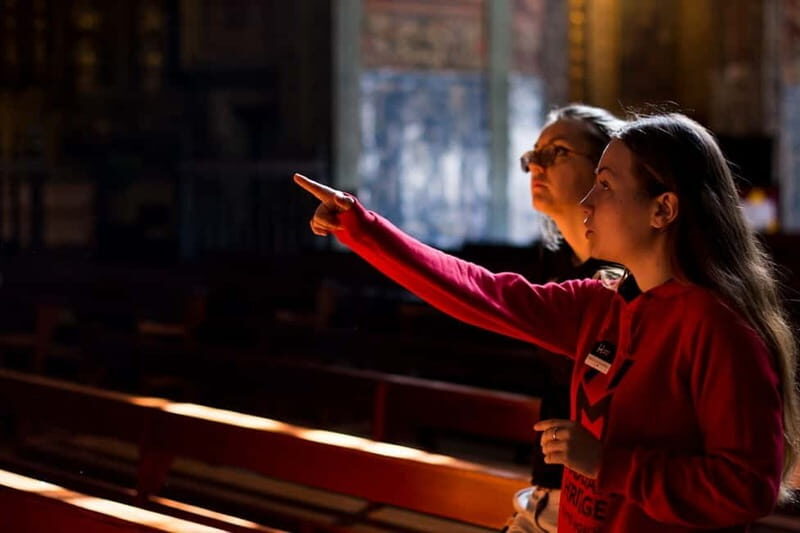
- University-linked guides: it’s delivered by students and volunteers through a University of Madeira–led programme under the Madeiran Heritage framework.
- Off-the-usual-route streets: you’ll trade the big sights for quieter backstreets and historical neighbourhoods you’re unlikely to find alone.
- Story-led stops: each location is tied to people—nobles, nuns, and foreign settlers—so it feels like a guided narrative, not a checklist.
- Iconic viewpoint time: you’ll reach panoramic Quinta das Cruzes for a classic Funchal overlook.
- Real local mission: your payment supports free educational visits for schools and social support for needy university students in Madeira.
- Small groups and Q&A time: many experiences mention tiny groups and guides like Len, Sabrin, Daniel, Laura, and Hannah making the tour feel personal.
Entering Funchal at the Jesuits’ College (and getting your bearings fast)
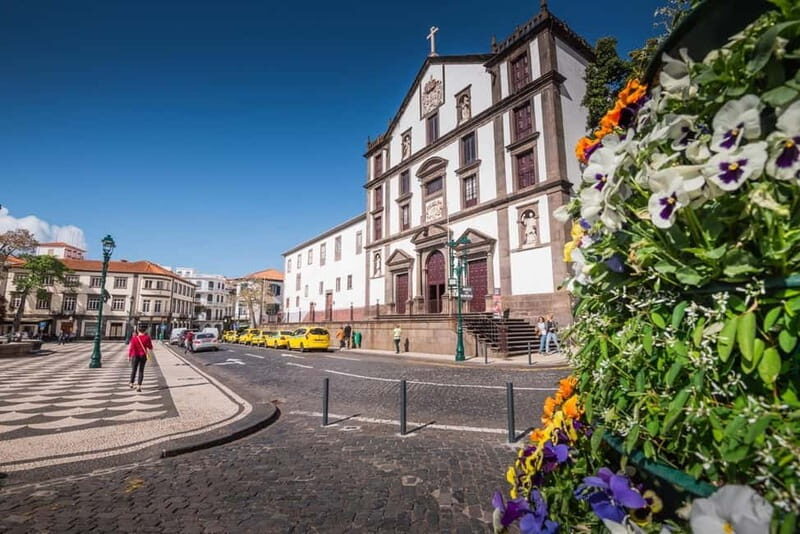
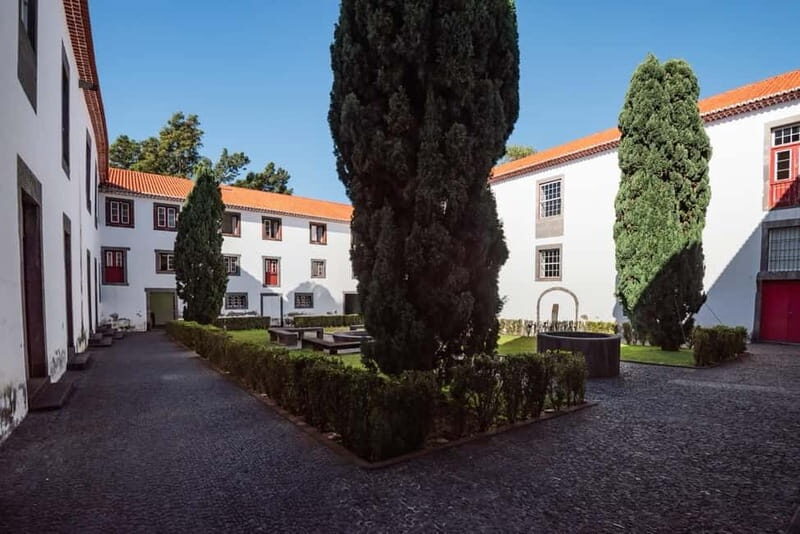
The tour starts at the Jesuits’ College of Funchal, part of the University of Madeira, on Rua dos Ferreiros—right next to D’Oliveiras Madeira Wine. The meeting point is on the street by the University entrance, near the glass doors, not inside the church.
This is a smart start for two reasons. First, you begin in a building with serious age—over four centuries of history—so the city instantly makes sense as something layered, not just a pretty promenade. Second, you’re close to the working heart of central Funchal, which helps you later when you try to find your own way. A handful of guides (like Len and Daniel, based on participant notes) were praised for helping people get oriented quickly.
You’ll want comfortable shoes. The route includes cobbled streets and small climbs. That doesn’t mean it’s a workout, but it does mean you should wear footwear that doesn’t punish your feet.
You can also read our reviews of more tours and experiences in Madeira.



The story of 1566: French attack, city power, and why the old streets matter
After meeting up, you move through the city with context. One thread your guide will bring up early is the French attack of 1566—a dramatic moment that shaped how Funchal’s leaders thought, built, and defended their position.
What I like about this kind of opening is that it gives you a mental map. When you later pass churches, manor houses, or walls, you’re not just seeing architecture. You’re seeing decisions: who had power, what communities feared, and how different groups tried to protect their place in Madeira’s story.
Also, guides in this programme are trained through a structured, university-led approach. In practice, that often shows up as clear explanations you can follow on a walk. People specifically mention answers to questions and a willingness to slow down.
The English neighbourhood: British families and the English Church
One of the standout parts is the English neighbourhood stretch, built around a history that can feel surprising if your only mental picture of Madeira is the beach-and-cable-car version. You’ll hear how British families helped shape Madeira’s identity over the centuries, and that shows up in the kind of buildings and community spaces you pass.
Then comes the English Church. Even if you’ve been in Funchal before, this is the kind of stop that changes how you think about the island. Madeira attracted foreign residents, and the English presence left a visible cultural footprint. You’re walking through streets where that influence isn’t a footnote—it’s part of the physical landscape you’ll be standing in.
A few things to watch for:
- You’ll likely take your time here. Several notes mention guides not rushing and making room for questions.
- If you’re hoping to go inside every stop, keep expectations flexible. One participant said they were looking forward to an interior visit to the English Church but didn’t see it that day. So treat the church as a key part of the story, not a guarantee of lengthy inside time.
Guides named in feedback include Laura, Sabrin, Hannah, Louise, and Julia—all praised for making the route feel lively and conversational rather than like a lecture.
Santa Clara Monastery: nuns, royal visitors, and queijadas
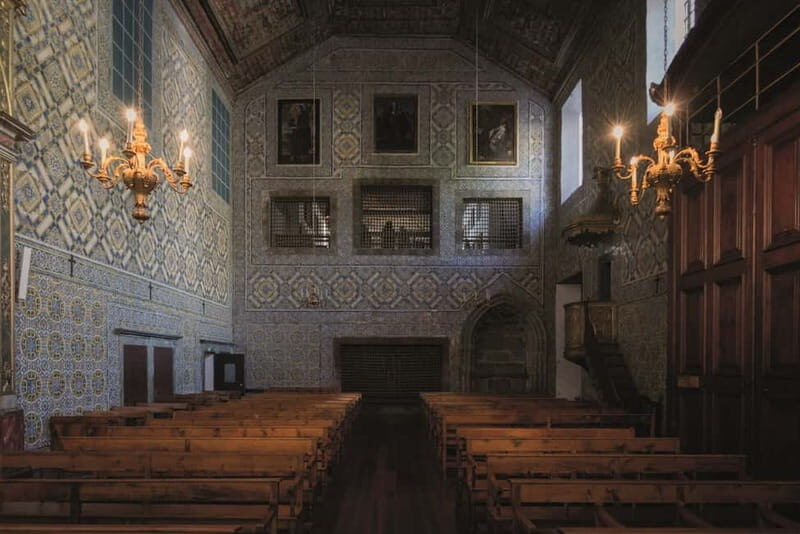
Next you pass the Santa Clara Monastery, and this is where the tour does something extra: it turns a cloistered place into a social story you can actually picture.
You’ll hear surprising details about the cloistered nuns and how the monastery area became known to visitors over time. The story also connects to something very Madeira: royal visitors who came specifically to taste the island’s famous cakes, queijadas.
This is a clever stop for two reasons.
1) Food is a fast entry point. If you’ve ever tried queijadas, you already get the emotional hook; your guide then supplies the history.
2) It’s a reminder that monasteries weren’t just quiet backdrops. They sat inside networks of reputation, visitors, and local production.
In other words, the monastery stop isn’t just “look at the building.” It’s “here’s how this place interacted with power and daily life.”
Manor houses, noble families, and the city’s layered architecture
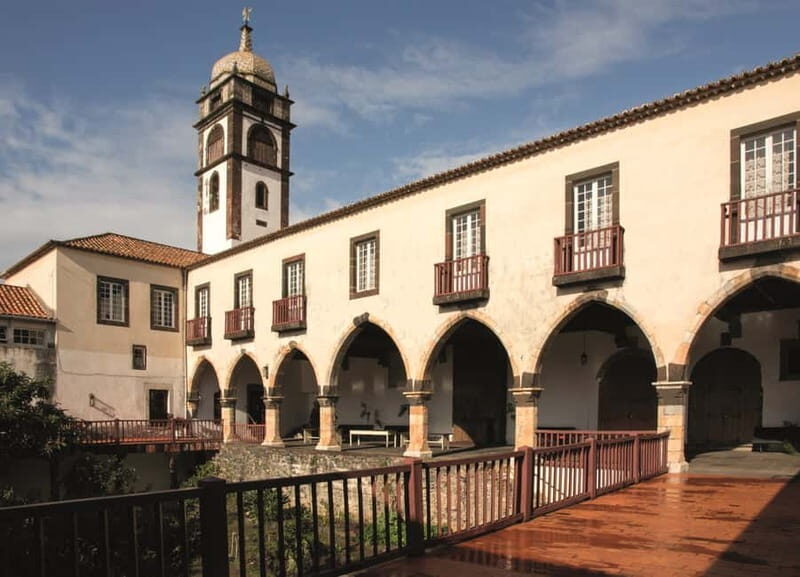
From there, the tour keeps walking and keeps explaining. You’ll pass manor houses built by Madeiran elites, and you’ll learn how churches and architectural landmarks tied to noble families left a lasting legacy.
I like this section because it helps you read Funchal like a puzzle. When you understand that certain buildings were made by people with resources, connections, and influence, you start noticing the small signals: the style choices, the placement, and the way the city grid developed around older authority.
One small practical note: expect plenty of walking through streets that can feel narrow and older. That’s part of the point. The tour is designed to take you through quiet districts that don’t always make it into quick sightseeing loops.
Some feedback also mentions extra stops that feel delightfully local, like a retro-style, multi-floor bookshop included on one route. You shouldn’t treat that as guaranteed, but it’s a good hint that guides sometimes weave in charming street-level details when they fit the story.


Quinta das Cruzes viewpoint: the iconic view and João Gonçalves Zarco
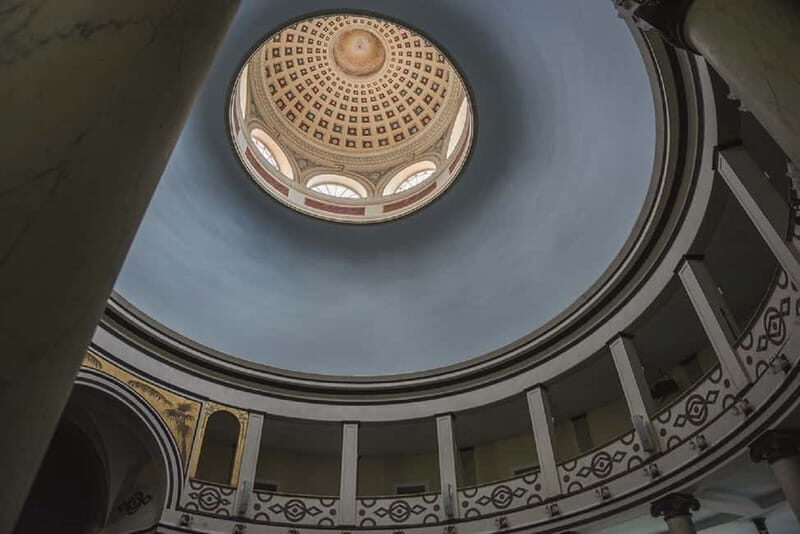
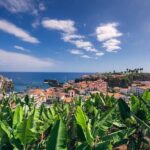
At some point you reach Quinta das Cruzes viewpoint, described as one of Funchal’s most iconic hills. This is your big panorama moment, the one you’ll use to reorient your senses—how the city sits in the hills, how the coastline frames everything, and why Funchal grew where it did.
But you won’t just look. You’ll also get the connection to João Gonçalves Zarco, the naval captain credited with leading early settlement of the island on behalf of the Portuguese King in the 15th century. The viewpoint area is near what’s described as Zarco’s former home, so the view becomes part of the explorer story rather than a random photo stop.
If you love when viewpoints come with context, this is one to appreciate. And even if you mostly care about photos, it’s still worth it—this is the kind of overlook that makes your later self-guided strolls more enjoyable because you understand the “shape” of the city.
How long it really takes: 2 hours, small groups, and no feeling of being herded
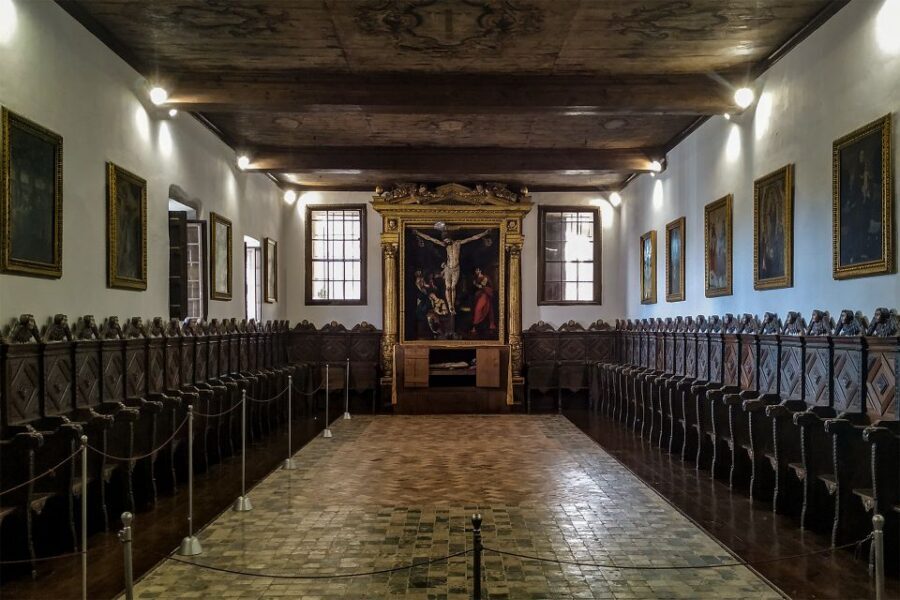
The tour is listed as 2 hours, and it’s run in small groups. That matters because small groups tend to lead to two things people repeatedly praise:
- a calmer pace
- more time for questions
Multiple notes mention guides like Len and Sabrin taking their time, staying friendly, and answering questions in a way that keeps the tour from feeling rushed. One participant even noted the guide took extra time when the group needed it.
You’ll also want to plan for walking time on cobbles and slight inclines. If you’re the type who likes to stop for photos, this route can fit it, especially with a patient guide.
Price and value: why $17 can feel like a bargain in Madeira
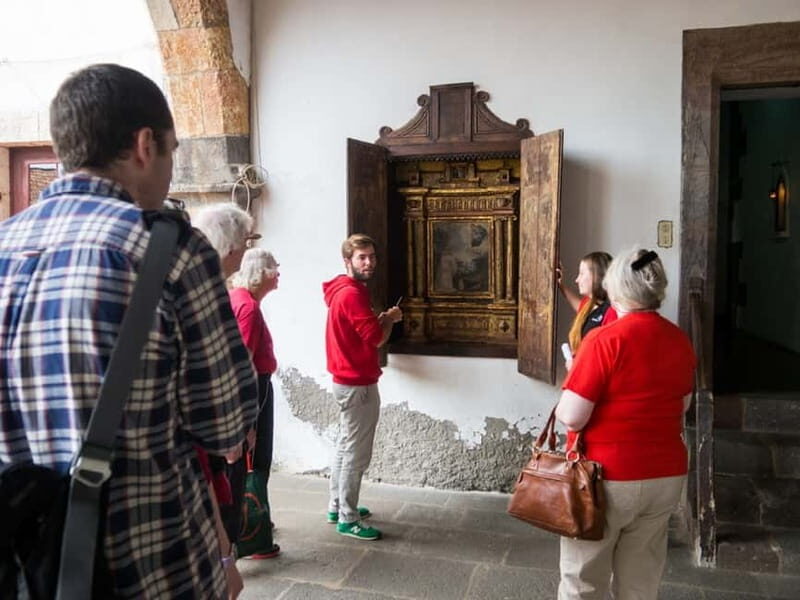
At $17 per person for a 2-hour guided walking tour, the value comes from two parts: what you see and what your money supports.
On the “what you see” side, you’re covering a mix that’s hard to replicate on your own:
- a University-linked starting point with deep local history
- the English neighbourhood and English Church context
- Santa Clara Monastery stories tied to queijadas and visiting royalty
- noble manor houses and churches connected to elites
- a major viewpoint tied to early settlement history
On the “what your money supports” side, it’s tied to a meaningful mission. The tour is part of the Madeiran Heritage programme developed at the University of Madeira, and proceeds help fund free educational visits for schools and support social programmes for needy university students across the region.
So yes, you’re paying for a walk. But you’re also funding education and student support. For a short tour, that’s the kind of good feeling that makes the price easy to justify.
Who should book this tour (and who might skip it)
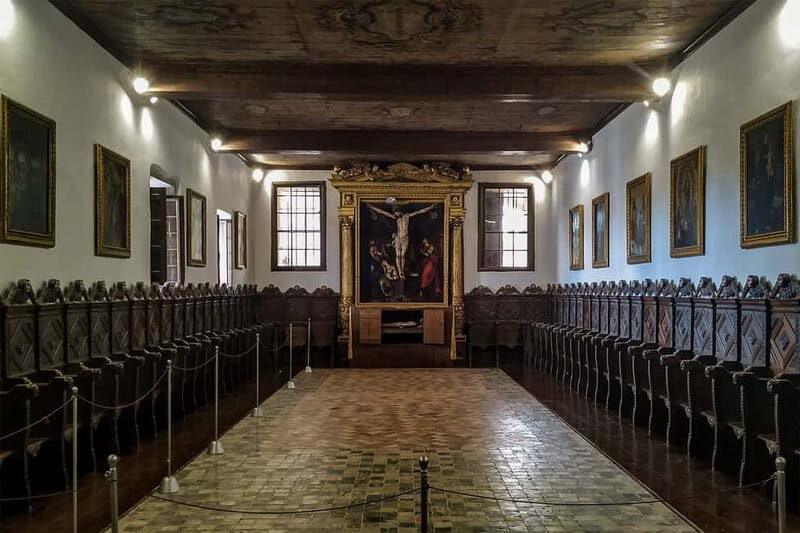
This works best if you want a more thoughtful Funchal than the standard highlights route. If you like history that connects people—nobles, nuns, British families, explorers—to real buildings and streets, you’ll enjoy it.
It’s also a good pick if you want help getting your bearings. Several comments praise how the tour set people up for exploring the city afterward, and guides like Daniel, Laura, Hannah, and Louise are mentioned for being helpful and friendly.
You might want to think twice if:
- you struggle on cobblestones or have trouble with inclines
- you need a fully low-walking experience
- you’re only interested in modern sights and beaches (this tour is firmly historical)
Should you book Hidden Funchal: Stories & Secrets Tour?
Yes, if you want Funchal’s past explained in a way that feels local, not museum-stiff. The small-group setup and the story-led stops make it feel worth the time, and the social mission adds real value.
Book it now if you’re the type who likes walking routes you can’t easily DIY—especially for the English Church angle, the Santa Clara Monastery queijadas story, and the Quinta das Cruzes viewpoint tied to Zarco. Just go in wearing good shoes and expecting a walking story, not a slow sightseeing drive.
FAQ
Where does the tour start?
It starts at the Jesuits’ College of Funchal, University of Madeira, on Rua dos Ferreiros in the city centre, next to D’Oliveiras Madeira Wine. Meet at the University entrance on the street by the glass doors.
Where does the tour end?
The tour ends back at the same meeting point.
How long is the tour?
The tour lasts about 2 hours (starting times vary, so check availability).
Is the tour guided and in English?
Yes. It has a live guide in English.
Is hotel pickup included?
No. Hotel pickup and drop-off are not included.
Is the tour wheelchair accessible?
The activity is listed as wheelchair accessible, but the walking route includes cobbled streets and slight inclines, which may not suit everyone with limited mobility.
What should I bring?
Bring comfortable shoes.
Are pets or luggage allowed?
Pets are not allowed. Luggage or large bags are also not allowed.
Is there a minimum age?
The tour is suitable for children aged 10+ (younger children are welcome with supervision).
What does my payment support?
Your participation supports education and social programmes connected to the University of Madeira, including free educational visits for schools and social support for needy university students.