REVIEW · FUNCHAL
Santana / Typical Houses Tour
Book on Viator →Operated by Feeling Madeira - Tours & Walks · Bookable on Viator
A small-group Madeira day, packed with contrast. You get Santana’s famous triangular houses, plus big views from high altitude and a stop inside the island’s UNESCO laurel forest. It’s the kind of route that shows Madeira is not one thing—it’s many moods in one day.
I like the value for the price: you pay $42.14 for an all-day circuit with an air-conditioned vehicle and no-entry-ticket headaches at the stops. I also love the two-hour Santana break, long enough for lunch and proper house photos instead of a rushed photo-op.
One thing to watch is comfort. This style of trip uses a smaller vehicle, and at least one passenger flagged seat and air-handling problems, so board early, scan your seat, and speak up fast if anything feels off.
In This Review
- Key highlights worth planning around
- How this Santana tour fits Madeira’s best hits
- Pickup in Funchal: easy start, one smart fallback
- Vehicle and comfort: the one variable you can control
- Camacha: rural Madeira, wicker and cane tradition
- Pico do Arieiro at 1,818m: the cloud-crossing viewpoint
- Ribeiro Frio and the Laurissilva UNESCO forest: water, plants, and levadas
- Faial and the rock of Penha de Águia: a quick but striking separation
- Santana village and the triangular thatched houses: the main event
- Ponta de São Lourenço: eastern rock-and-sea drama
- Machico finish: history without the museum
- Guides: the human factor that makes the day
- Price and value check: what $42.14 really buys
- Practical tips for making the day smooth
- Who this tour suits best
- Should you book this Santana typical houses tour?
- FAQ
- What’s the start time and how long is the tour?
- Where does pickup happen?
- Is lunch included in the price?
- What languages is the tour offered in?
- Do I need to buy tickets for the stops?
- How big is the group?
- Can I get a full refund if I cancel?
Key highlights worth planning around
- Santana Village gets real time (2 hours) for lunch and the iconic triangular thatched homes in bright colors
- Pico do Arieiro delivers 360° views at 1,818 meters, with rocks often silhouetted against clouds
- Ribeiro Frio sits in the Laurissilva UNESCO forest (including a trout farm tied to the island’s levadas)
- Small group size (max 15) keeps the day feeling more personal than big-bus tourism
- Pickup is built around Funchal and nearby areas, with a fallback to the nearest meeting point in town
- Most admissions are free on the route, so you spend money on food, not tickets
How this Santana tour fits Madeira’s best hits
This is a full day built for variety. You start from Funchal around 9:00am and spend about 8 hours moving through a sequence of Madeira’s personalities: rural craft life in Camacha, a high-mountain viewpoint at Pico do Arieiro, forest and water at Ribeiro Frio, coastal drama near Ponta São Lourenço, and a historic finish in Machico.
The sweet spot is that you’re not only seeing scenery—you’re also seeing how people live with the island. The day touches craft production (Camacha), traditional forest ecology and water systems (Ribeiro Frio and levada-fed trout farms), and the heritage homes of Santana.
And because the group is capped at 15 people, you’re less likely to feel like you’re watching Madeira through a crowd. You’ll still be on a schedule, though, so bring a calm pace mindset. This is a “see a lot” tour, not a “linger forever” one.
You can also read our reviews of more tours and experiences in Funchal.


Pickup in Funchal: easy start, one smart fallback
Pickup is available from Funchal city centre and the main tourist area. If you’re staying in Caniço de Baixo or Garajau, pickup is also offered there.
If your hotel isn’t in those zones, they’ll direct you to the nearest meeting point in Funchal. The practical takeaway: confirm where you’re actually meeting before you head out the morning of the tour, especially if your lodging is just outside the pickup map. A mobile ticket is provided, which helps reduce back-and-forth, but your location still matters.
Vehicle and comfort: the one variable you can control
The tour includes an air-conditioned vehicle, which matters in Madeira’s warmer months. Still, because this is a smaller-vehicle day trip, there can be variation in how comfortable the ride feels seat-by-seat.
I’d do two simple things:
- Sit where you feel you’ll have the best legroom as soon as you board.
- If you’re sensitive to heat or noise, pay attention right away to how the air is working once you’re moving.
One passenger experience reported broken seatbelts and window/air system issues, which is exactly the sort of situation you want to notice immediately so it can be addressed.
Camacha: rural Madeira, wicker and cane tradition
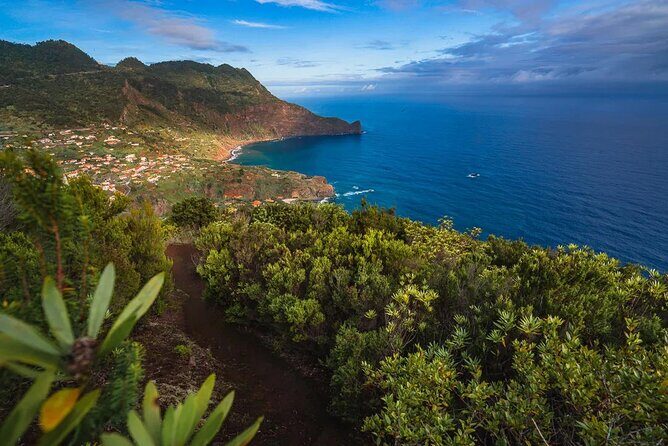
Camacha is a rural, rustic village where folklore still plays a visible role. The big draw here is Madeira’s long-running wicker and cane industry. The stop isn’t just “look at a souvenir shop.” You have a chance to see a variety of production pieces on display, which helps you understand why this craft became such a signature of the island.
You get about 20 minutes here. That’s short, but enough time to:
- Get your bearings on what Camacha is known for
- Check out how the craft pieces are made (at least in display form)
- Snap a few photos of village textures and workshop details
If you’re the kind of traveler who likes cultural stops that don’t feel staged, Camacha hits that mark.
Pico do Arieiro at 1,818m: the cloud-crossing viewpoint
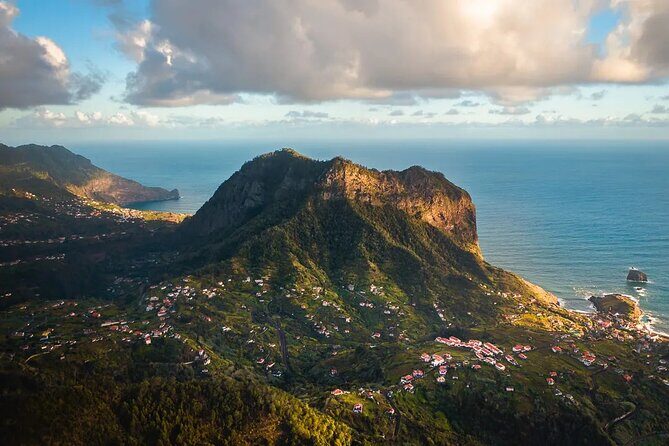
Next comes Pico do Arieiro, Madeira’s third-highest peak at 1,818 meters. The highlight is the fabulous 360° views—the kind that make your camera roll immediately.
What makes this stop special is how the mountain interacts with weather. Often you’ll see rock formations crossing clouds, which creates dramatic layers you can’t really fake. Even if the clouds are lower or the visibility isn’t perfect, the viewpoint angle usually still gives you that “Madeira is vertical” feeling.
You’ll have about 40 minutes. That’s enough time to look around, take photos from a couple angles, and catch your breath before you drive again. If you hate chilly wind on exposed platforms, bring a light layer even if Funchal feels warm.


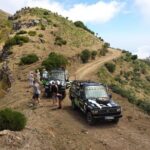

Ribeiro Frio and the Laurissilva UNESCO forest: water, plants, and levadas
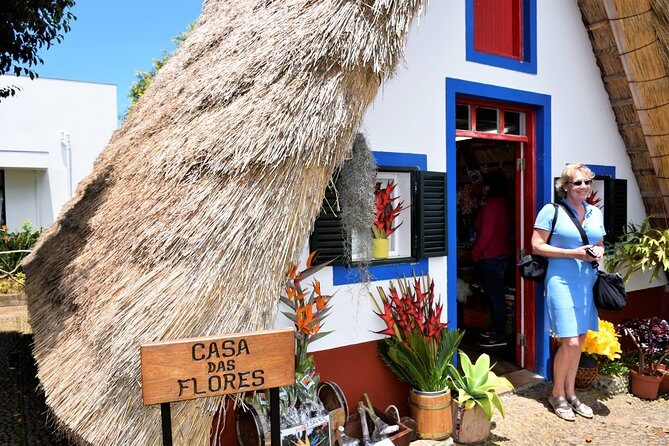
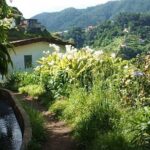
Ribeiro Frio is a small village in the heart of the Laurissilva forest. The name means cold river, and the surrounding environment earns the hype.
This is where the tour gets more “nature nerd” (in a good way). Laurissilva is the largest surviving area of laurel forest in the world, and it’s believed to be about 90% primary forest. It’s also classified as a World Heritage Site by UNESCO.
In practical terms, you’re getting a short visit where you can:
- Observe different plants and species in their habitat
- Feel how the forest stays moist and alive, thanks to the island’s water channels
The other standout is the trout farm. It uses stone enclosures with freshwater supplied by levada systems, placed in a very natural setting. That mix—heritage water infrastructure plus farming—makes the place more than just a pretty stroll. You see a working landscape.
You have about 40 minutes, so focus on quality sightlines rather than trying to cover everything. Wear comfortable shoes. Uneven ground is common in forest-edge areas.
Faial and the rock of Penha de Águia: a quick but striking separation
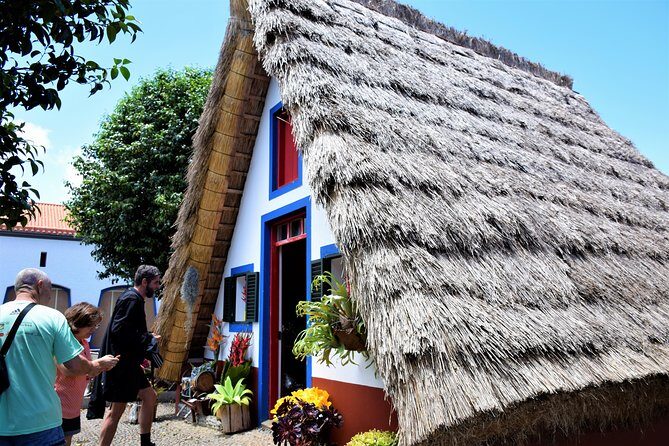
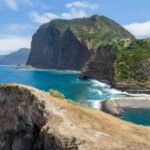
The tour continues to Faial, where you can see the imposing rock of Penha de Águia. This rock separates Faial from Porto da Cruz, so even in a short stop, you’re seeing a clear geographic division.
This is about 30 minutes. It’s not the longest stop, but the point here is orientation: you start to understand how Madeira’s coast and ridges create natural “rooms” of scenery. If the light is right, photos can look extra sharp because the rock has strong shape.
Santana village and the triangular thatched houses: the main event
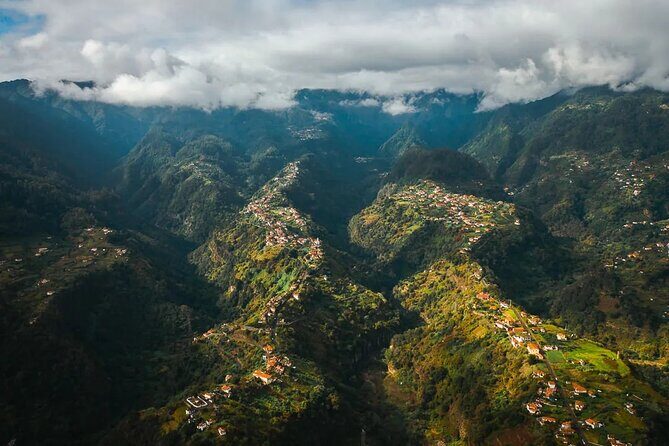
Then you get the long, satisfying chunk: Santana village. This is where the day earns its name.
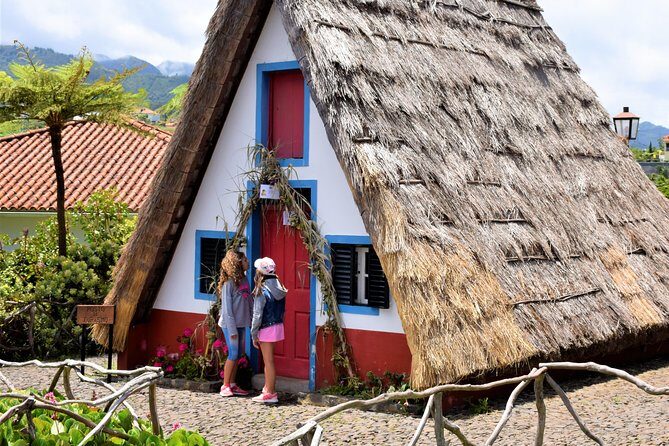
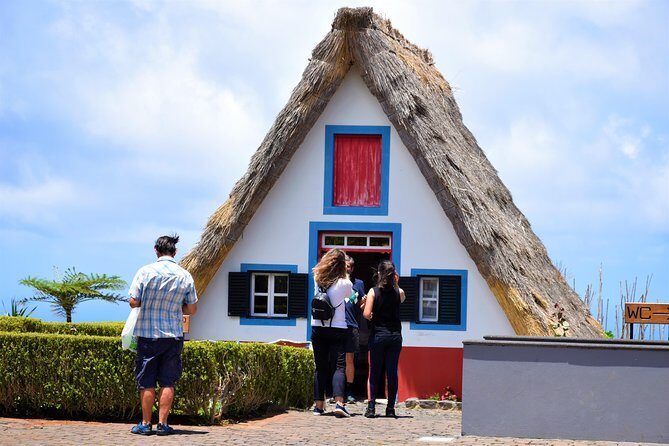
You have about 2 hours—plenty of time to grab lunch and still have time for photographs. The big attraction is the world-famous typical triangular thatched houses of Madeira, painted in cheerful primary colors. The buildings are instantly recognizable, but the longer time matters: you can look at details, compare viewpoints, and take your time with angles.
One tip: plan your lunch around your own pace. Two hours sounds like a lot until you factor in parking/paths, ordering food, and that moment when you realize you want just one more photo. This is the stop to do it. The rest of the day is more “watch the clock.”
If you’ve heard the Santana houses criticized as too touristy, I’d approach it like this: even if some parts feel commercial, you’re still looking at a real architectural tradition—one that’s been preserved enough to be recognizable from miles away.
Ponta de São Lourenço: eastern rock-and-sea drama
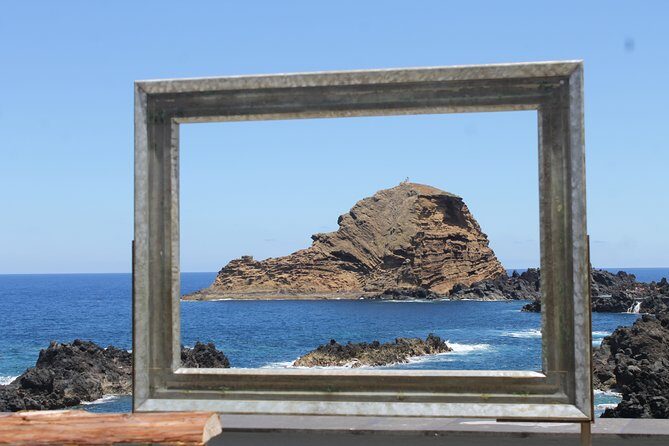
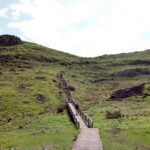
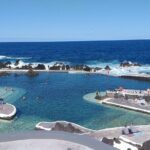
After Santana, you head to Ponta São Lourenço, in the most eastern part of the island. This is a different mood. Instead of villages and forest, you get a strong mix of rocks, sea, and open exposure.
You only have about 30 minutes, so treat it as a viewpoint stop. Move to the spots with the best sightlines quickly, then linger once you’re satisfied. The best photos often come from being patient—waiting for the sea to shift and the light to change.
Bring sunglasses. Even when clouds roll in, the horizon can still glare.
Machico finish: history without the museum
Your last stop is Machico, the largest city on the island. It’s also historically important: it was the first area where Portuguese navigators landed during the discoveries.
You get about 30 minutes. This is a good “wrap-up” stop because it gives you a sense of what you’ve been driving around all day. You started with craft and forests, then climbed and coasted—now you end in the place with the discovery-era connection.
If you want to keep the day going after the tour, Machico is one of the easier places to do that, simply because it’s the biggest urban finish on the route.
Guides: the human factor that makes the day
The guides can make or break this type of day trip, and the good news is that this operator clearly takes guiding seriously.
I’ve seen names like Renato and Alberto tied to standout experiences, with praise focused on friendliness, humor, and delivering useful local context about what you’re seeing. One guide-level theme that comes through is that they don’t just read from a script. They talk in a way that helps the stops connect, like how Camacha’s craft fits Madeira’s identity or how the island’s water systems support both forest life and food production.
If you end up with one of these guides, you’ll feel it. And even if your guide is different on another day, the tour format is built for conversation during the ride—so bring questions.
Price and value check: what $42.14 really buys
At $42.14 per person, this isn’t a bargain tour that scrimps on the basics. You’re getting:
- Air-conditioned vehicle
- All fees and taxes
- A full-day route with multiple scenic and cultural stops
- Admission tickets listed as free for each stop
Lunch is not included, so budget for a meal at Santana (or snacks if you prefer to eat as you go). That’s your main extra cost.
Is it “worth it”? For me, it comes down to your travel style. If you want one day that hits mountains, UNESCO forest, and the signature houses without planning separate buses and timed tickets, then the value is clear. If you prefer slow travel, you might feel the short stops elsewhere after that 2-hour Santana block. Still, the design makes sense for first-time visitors.
Practical tips for making the day smooth
A day like this runs on tight transitions. Here’s what I’d do to keep it enjoyable:
- Wear layers for the mountains. Pico do Arieiro is higher and more exposed than the coast.
- Bring water and a small snack. Lunch is only at Santana, and other stops are short.
- Plan your photo time at Santana. Two hours disappears fast if you don’t manage it.
- Be ready for weather shifts. Madeira can change quickly from sunny valleys to cloudy peaks, especially on viewpoint days.
- Double-check pickup accuracy the day before, especially if you’re outside the main pickup zones.
Who this tour suits best
This is ideal for:
- First-time visitors in Madeira who want a compact overview
- Travelers who like a balance of viewpoints and culture
- People who prefer small-group pacing over big bus crowds
It might feel less ideal if:
- You hate driving days and prefer a single area for the whole trip
- You want long nature walks instead of short forest and viewpoint stops
- Vehicle comfort is a top priority for you—then you should pay attention at boarding
Should you book this Santana typical houses tour?
I’d book it if your goal is to see Madeira’s highlights in one go: Santana’s triangular thatched homes, high-altitude views from Pico do Arieiro, and the UNESCO Laurissilva forest experience tied to real water systems and a trout farm. The $42.14 price is strong when you factor in transport, included fees, and free admissions at the stops.
I’d think twice only if you’re very sensitive about vehicle comfort or you know you’ll struggle with short stops. If that’s you, consider whether a slower, single-region plan would suit you better.
If you do book, go in with a flexible mindset. This tour is at its best when you treat it like a sampler platter: each stop is short, but the variety is the point.
FAQ
What’s the start time and how long is the tour?
The tour starts at 9:00am and runs for about 8 hours.
Where does pickup happen?
Pickup is available from Funchal city centre and the main tourist area. Pickup is also offered from hotels in Caniço de Baixo and Garajau. If your accommodation isn’t within those areas, you’ll be directed to the nearest meeting point in Funchal.
Is lunch included in the price?
No. Lunch is not included, so you’ll want to plan for a meal during the Santana stop.
What languages is the tour offered in?
The tour is offered in English.
Do I need to buy tickets for the stops?
Admission tickets are listed as free for the tour’s stops.
How big is the group?
The tour has a maximum of 15 travelers.
Can I get a full refund if I cancel?
Yes. You can cancel up to 24 hours in advance for a full refund.