REVIEW · FUNCHAL
Funchal: Sacred Art Museum of Funchal Entry Ticket
Book on GetYourGuide →Operated by Museu de Arte Sacra do Funchal · Bookable on GetYourGuide
Walking into sacred art sounds heavy.
It’s actually a very manageable, history-rich visit in Funchal. I like two things right away: the museum’s impressive spread of Portuguese religious artworks (painting, sculpture, sacred silver, vestments, and textiles) and the chance to enjoy the building’s architectural beauty, including time on the terrace with a view. One thing to consider: if you choose the self-guided option, you won’t have a live guide to point out details, so you’ll need to read labels at your own pace.
You’ll see the collection organized in a chronological way, so the changes in style make sense instead of feeling random. The big arc runs from Gothic through Baroque, with mentions of Renaissance Humanism influences showing up in Flemish and Italian art—helpful if you want context, not just aesthetics. With a guided tour (English or Portuguese) you get that context faster, especially if you like a clear story line rather than wandering on your own.
In This Review
- Key Highlights You’ll Notice Fast
- Sacred Art Museum of Funchal: What You’re Paying For
- A 50-Minute Route Through Gothic to Baroque
- What the Collection Covers (and Why It Feels More Than Decorative)
- Self-Guided vs Guided Tour: Choose Your Pace Wisely
- The Building and Terrace: A Break That Doesn’t Feel Like a Waste
- Where This Museum Fits in Your Madeira Day
- Price and Value: Why $11 Can Feel Fair
- Practical Tips for Getting More From Your Visit
- Should You Book the Sacred Art Museum of Funchal?
- FAQ
- FAQ
- How long is the Sacred Art Museum of Funchal visit?
- Is there a guided tour, or is it only self-guided?
- What languages are available for the guided tour?
- What kinds of items are in the museum’s collection?
- What is the price of entry?
- Are there any pricing differences for residents of Madeira?
Key Highlights You’ll Notice Fast
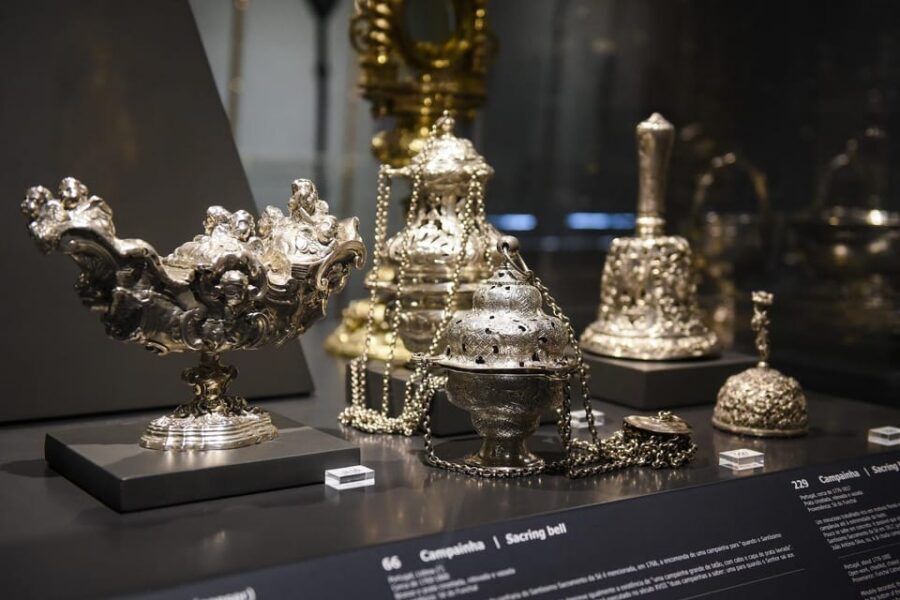
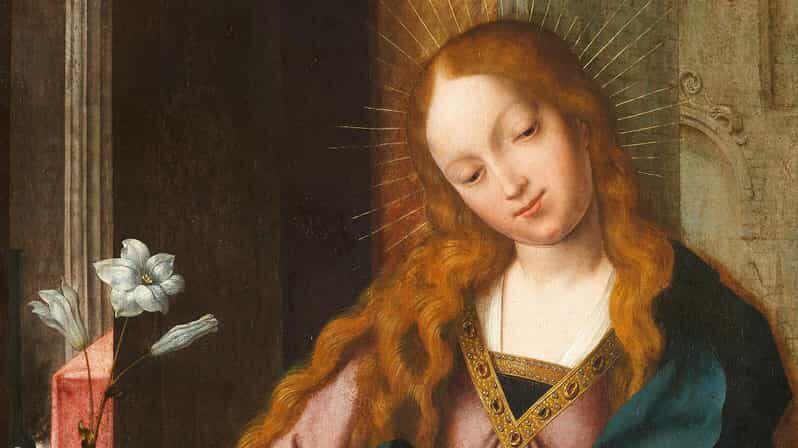
- Portuguese religious painting and sculpture (15th to 18th century), arranged with a time-and-style flow
- A mix beyond paintings, including sacred silver plus religious textiles and vestments
- Gothic-to-Baroque comparisons that make the art feel like an evolving conversation
- English or Portuguese live guide available if you select the guided tour option
- Terrace views that many people find worth budgeting time for during your visit
Sacred Art Museum of Funchal: What You’re Paying For
For about $11 per person, you’re not just buying entry. You’re buying a compact cultural experience that fits neatly into a tight Madeira day, with a stated 50-minute duration. That matters because a lot of museums can balloon—this one is set up to be doable, even if your schedule is packed.
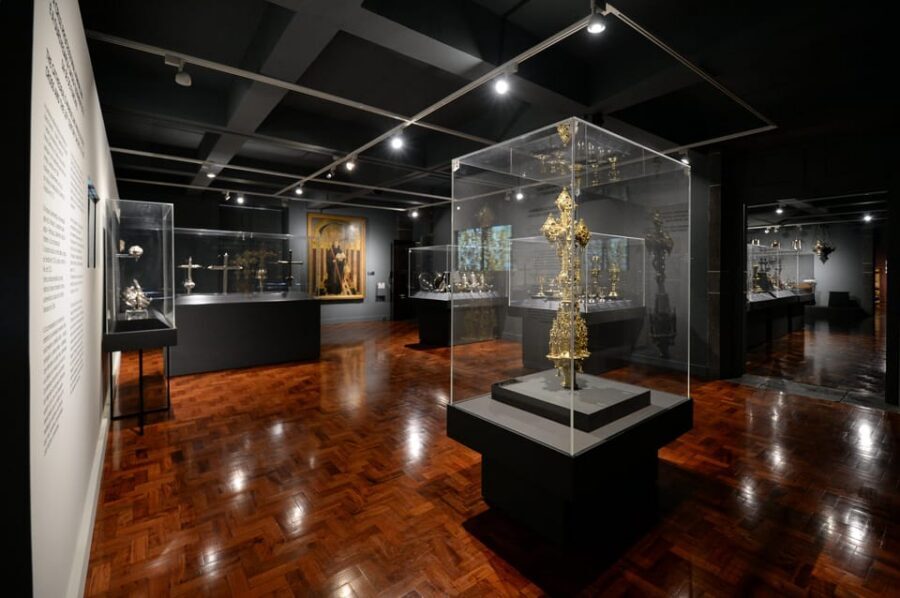
What you’re really getting is a look at how faith, art, and local history were connected on Madeira across centuries. The collection spans five centuries of the island’s history through objects like religious paintings, sculptures, sacred silver, and church textiles. If you’re the type who likes to understand context, the museum’s chronological approach helps your brain connect the dots instead of treating each piece like a separate “cool object.”
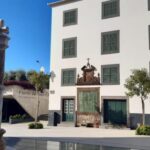
And yes, the building itself is part of the experience. The architectural setting makes the art feel more intentional, not like it’s just sitting in storage. One review even singled out the terrace view as a major plus, which tells you the building is doing some of the work for you.
You can also read our reviews of more tours and experiences in Funchal.



A 50-Minute Route Through Gothic to Baroque
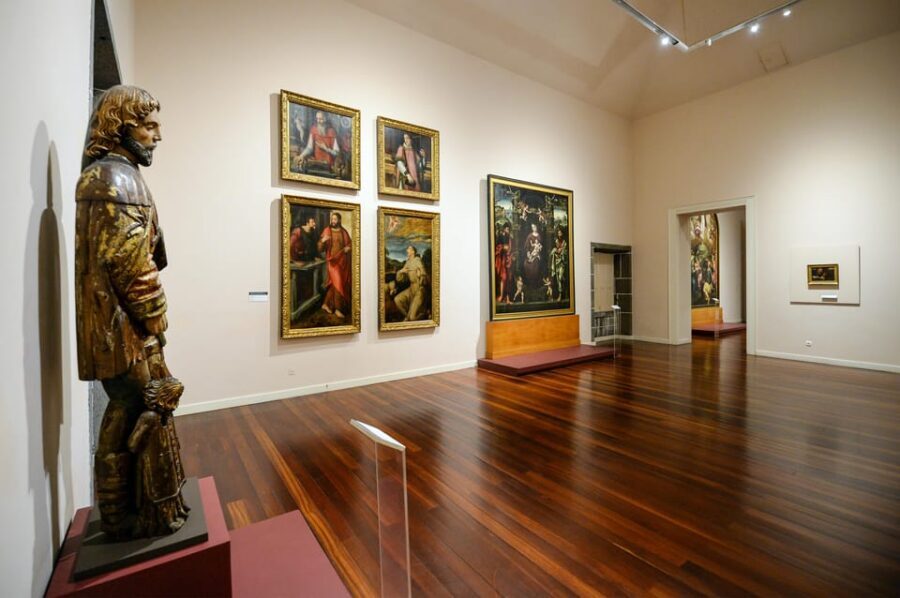
Even if you don’t consider yourself an art person, I like that this museum is organized with a chronological pathway. Instead of jumping randomly from one century to another, you follow changes in style—Gothic → Baroque—and you can actually see what “different eras” means in real objects.
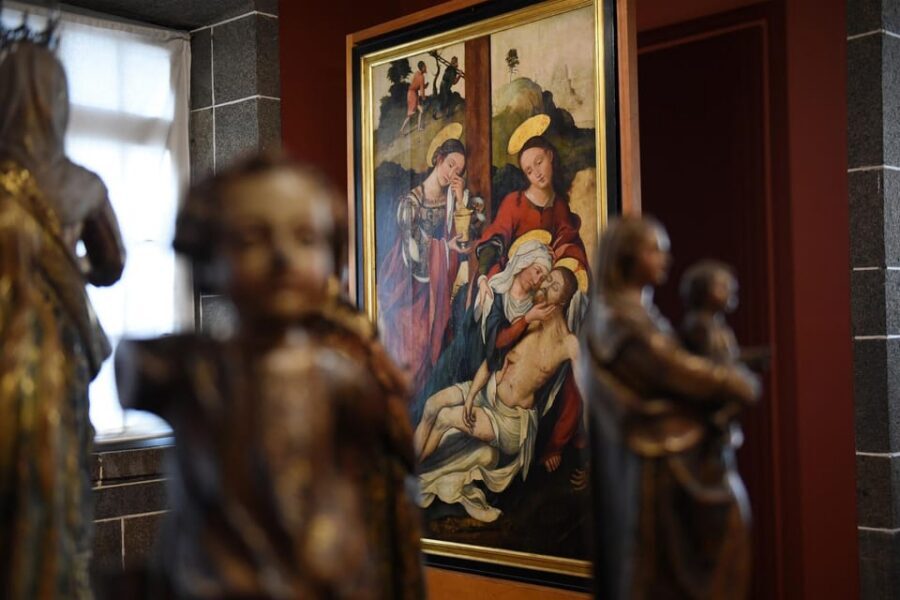
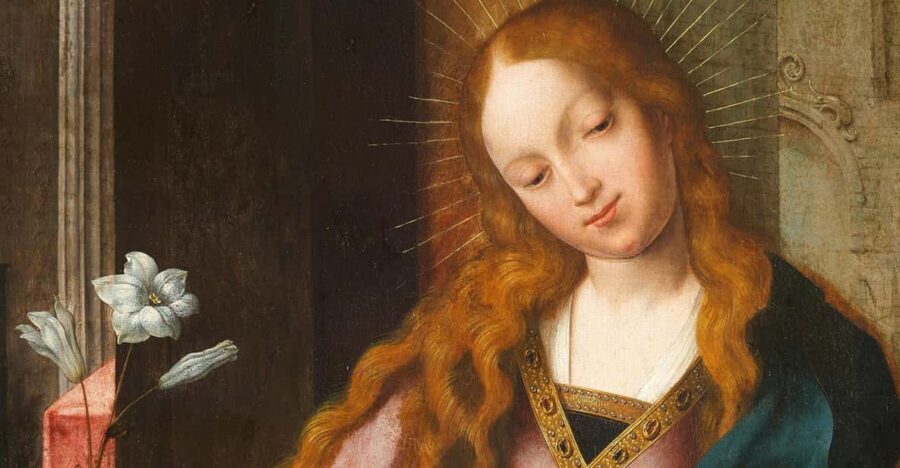
The collection focuses especially on Portuguese religious painting and sculpture from the 15th to the 18th century. That’s the stretch where you’ll notice shifts in how figures are posed, how emotion is handled, and how ornamentation ramps up. It’s the kind of evolution that makes label-reading worthwhile, because you can compare pieces side by side in the same artistic “family.”
You’ll also see references to Renaissance Humanism, including its influence in Flemish and Italian art. Don’t worry if those terms sound academic. The practical value is that the museum is trying to explain why styles changed—people, trade, ideas, and artistic networks—not just what the styles are called.
Tip from how this museum is set up: if you’re doing self-guided, don’t try to rush. Pick a few “anchor” pieces in each style period. Then let the connecting rooms fill in the gaps. If you move too fast, you’ll miss the reason the timeline exists.
What the Collection Covers (and Why It Feels More Than Decorative)
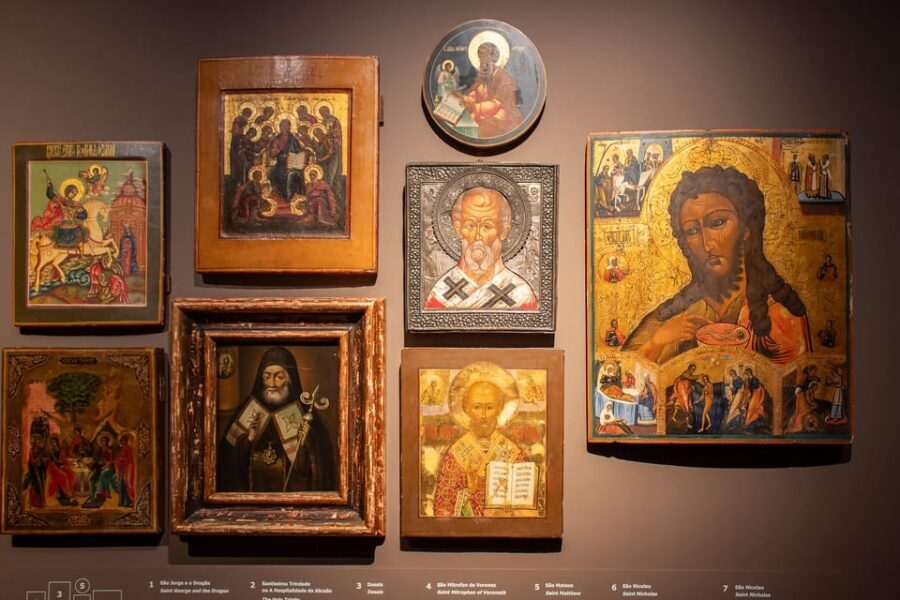
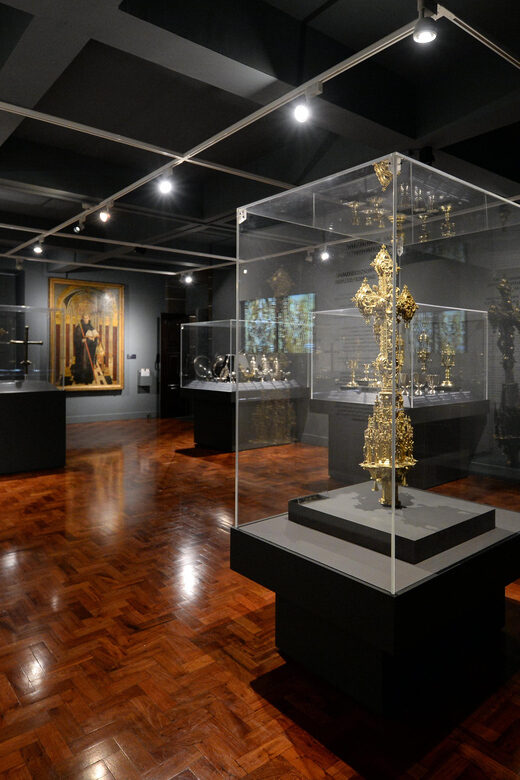
A lot of religious art museums make it easy to assume it’s all about paintings. Here, that’s not the case. The museum’s collection includes sacred silver and religious vestments and textiles, which adds texture to what you’re seeing.
That variety is one of the biggest reasons this works well as a shorter visit. Paintings alone can feel visually repetitive. When you add sculpture and metalwork, then bring in textiles, you start noticing different kinds of craftsmanship and different ways devotion showed up in everyday church life.
For you, that means a better mental experience. You’re not just memorizing dates. You’re watching different art forms answer the same question: how do you communicate reverence and meaning through objects?
If you like details, pay attention to how materials change. Silver objects and textiles can tell stories about labor, wealth, and ritual. Even if you don’t know the full symbolism, you can still appreciate the skill and the purpose behind the work.
Self-Guided vs Guided Tour: Choose Your Pace Wisely
This is a straightforward decision, and it can make or break your visit.
With a guided tour, you get a live guide in Portuguese or English (based on availability for the option you select). That added layer helps a lot if you want the timeline and style changes explained in plain language. One highlight from a high-rated experience was that the guide was passionate and full of specifics, which made the museum feel like a story rather than a room-by-room checklist.
With self-guided entry, you control your pace. You can move quickly through what you already like and linger where you’re curious. The catch is also simple: there won’t be a guide telling you what matters most. One experience rating dropped because the visit wasn’t guided, which is a good reminder to double-check you selected the right option before you arrive.
My practical advice:
- If you enjoy context and art history explanations, pick the guided option.
- If you’re happy reading labels and you want flexibility, self-guided is still a solid choice.
Either way, the museum is built for a tight time frame, so don’t plan to “see everything slowly” unless you’re genuinely okay going over the stated 50 minutes.
The Building and Terrace: A Break That Doesn’t Feel Like a Waste
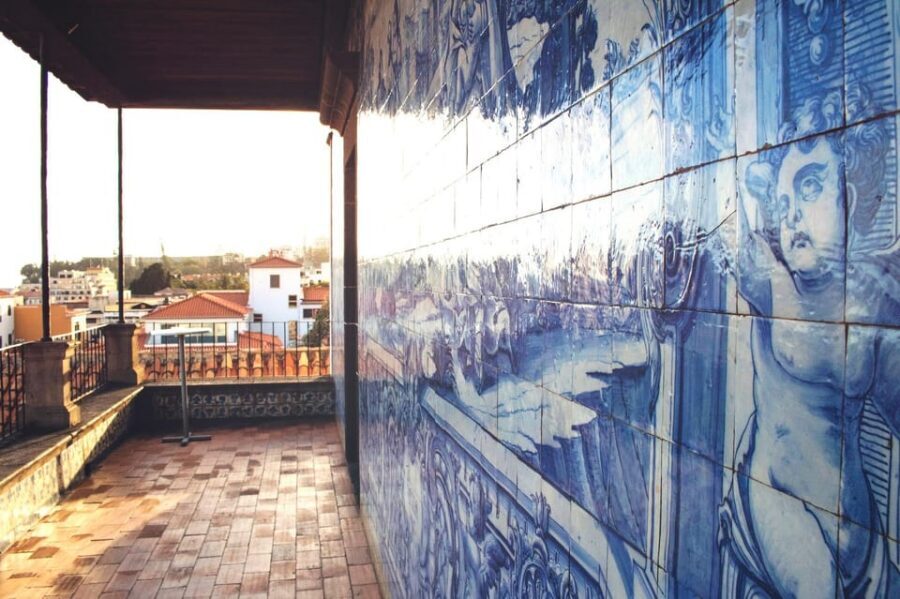
This museum isn’t only about indoor rooms. The architectural setting is part of the value, and that includes a terrace with a view that has been praised specifically. That kind of stop is perfect when you’re in Madeira—bright light, fresh air, and a quick reset for your eyes after close-up art viewing.
Even if you’re not sure you’ll use the terrace, you should. After looking at small details in paintings, sculpture, textiles, and silver, you need a visual breather. The terrace lets you shift from reading and looking to just experiencing the place around you.
Also, the building’s beauty helps you feel like you’re in a serious cultural space. That can sound like a vibe thing, but it matters: it changes your attention. When the rooms feel considered, you naturally slow down and see more.
You can also read our reviews of more museum experiences in Funchal


Where This Museum Fits in Your Madeira Day
A 50-minute visit makes this easy to schedule. It can work as a morning stop if the rest of your day includes outdoor exploring, or as a calm indoor break if the weather turns or the sun is too strong.
I’d place it like this:
- If you’re planning several short stops around Funchal, treat this museum as one focused block.
- If you’re doing mostly viewpoints and walking, use this as your “sit and learn” moment.
The chronological structure also means you’ll feel like the experience has an ending. You’re not stuck in a loop of similar displays. When you reach the later style rooms, you’ll likely realize you’ve been building a mental timeline as you go.
Who this suits best:
- People who want art with an actual storyline (not just single-piece appreciation)
- Visitors who like Portuguese cultural themes
- Anyone who prefers a museum that fits into a busy itinerary without consuming half a day
Who might find it less ideal:
- If you need a large amount of hands-on or interactive content (none of that is indicated here)
- If you’re only interested in modern art or large-scale exhibits (again, the focus here is historical religious art)
Price and Value: Why $11 Can Feel Fair
Let’s talk value in a way that actually helps you decide.
At around $11 per person, the cost is relatively modest for a museum entry that includes a multi-century collection and optional live interpretation. If you choose the guided tour, you’re essentially paying a bit more for an English/Portuguese guide, and that context can save you from having to guess what you’re looking at.
The value angle gets even stronger when you consider the building and terrace. Even one short visit can feel more complete when there’s a view and an architectural setting, not just galleries.
There’s also a local-pricing note worth knowing: Madeira residents can access reduced prices not available through this booking source. If you’re visiting from the UK or elsewhere, that’s irrelevant. But if you somehow live locally, it’s good to know there may be a cheaper option.
My take: this is the kind of museum entry that’s easy to justify if you like craftsmanship and a clear narrative. If you hate reading labels and you accidentally book self-guided when you wanted a guide, the value can feel smaller—so choose the option that matches your style.
Practical Tips for Getting More From Your Visit
These are small choices that make a noticeable difference inside a compact museum.
1) Decide your mode upfront
If you want explanations, select the guided tour option and plan to be ready for a group start. If you’re self-guided, budget extra time for reading labels and slower looking.
2) Pick your favorites early
As you walk in, choose a few pieces that catch you. Then use the timeline to see how similar themes shift across eras. It turns the visit into a comparison game.
3) Use the terrace like a reward
After a section heavy with details (especially paintings or textiles), take the terrace break. It helps you reset your eyes and makes the visit feel less “museum-slogging.”
4) Don’t fear the style names
Gothic and Baroque can sound intimidating. The museum approach is built to connect those names to visible changes. You’ll get more out of it if you watch for differences in figure emotion, ornament, and how dramatic the compositions become.
Should You Book the Sacred Art Museum of Funchal?
If you’re visiting Funchal and want a museum stop that’s focused, readable, and packed with historical religious art, I’d book it. The 50-minute time frame is a real benefit, especially if you’re balancing outdoor sightseeing with indoor culture.
My only caution is matching your expectations to the option you pick. Go guided if you want a narrated storyline and quick interpretation. Choose self-guided if you like doing your own pace and you don’t mind reading labels.
FAQ
FAQ
How long is the Sacred Art Museum of Funchal visit?
The visit duration is listed as 50 minutes, and starting times depend on availability.
Is there a guided tour, or is it only self-guided?
You can choose either self-guided entry at your own pace or a guided tour. The guided option includes a live tour guide only if you select it.
What languages are available for the guided tour?
The live tour guide is available in Portuguese and English.
What kinds of items are in the museum’s collection?
The museum includes religious painting and sculpture, sacred silver, and religious vestments and other textiles, covering about five centuries of Madeira’s history.
What is the price of entry?
The price is listed as $11 per person.
Are there any pricing differences for residents of Madeira?
Yes. Residents of Madeira can access reduced prices not available through this booking source.