REVIEW · FUNCHAL
Around The Island – Two Days Tour From 9am To 5pm (Each Day)
Book on Viator →Operated by Feeling Madeira - Tours & Walks · Bookable on Viator
Two days can feel long in a bus, but this one is built for sanity. You get a tight small-group circuit around Madeira with pickup and a guide who keeps the island story moving—so you don’t spend your holiday doing route math.
I especially like how the days mix big views (Cabo Girão’s glass balcony, Pico do Arieiro’s altitude) with real local stops like Câmara de Lobos and Santana’s thatched houses. The other win: most stops have no paid admission, so your money goes to actually seeing things, not ticket juggling. The main drawback is pacing: you’ll have only short windows at each viewpoint, and if you’re prone to motion sickness or dislike constant commentary, plan ahead.
In This Review
- Key things I’d notice right away
- The real value: a 9am-to-5pm tour that actually buys you time
- What you should know about the vibe
- Price and stops: how this itinerary keeps costs from spiraling
- Day 1: West and North Madeira highlights from Cabo Girão to Câmara de Lobos
- Cabo Girão glass balcony: 580m of attitude
- Ribeira Brava church and coastal village pacing
- Madalena do Mar: banana plantations, short walk expectations
- Paúl de Serra and Fonte do Bispo viewpoints: levadas area feel
- Porto Moniz: lunch with natural volcanic pools
- Seixal viewpoint and Véu de Noiva waterfall
- São Vicente and the 17th-century church
- Câmara de Lobos: Churchill’s painting village
- Day 2: East-coast icons, rum history, and the long look from Ponta de São Lourenço
- Cristo Rei in Garajau: a monument with big coastal framing
- Machico: Madeira’s earlier capital story
- Ponta de São Lourenço: the easternmost rock show
- Porto da Cruz rum history: Engenhos do Norte
- Santana and Ribeiro Frio: the day’s cultural layer and the nature trail reset
- Santana: triangular thatched houses and time to breathe
- Ribeiro Frio: trout pools and easy trails
- Pico do Arieiro: the mountain moment, with cloud risk you can’t control
- Guide quality and how it affects your two days
- If you hate loud microphones, plan for it
- Should you book this tour?
- FAQ
- How long is the Around The Island two-day tour?
- Is pickup available?
- What language is the tour offered in?
- Is the ticket mobile?
- Are admission tickets included for the stops?
- How big is the group?
- Can I cancel for a full refund?
Key things I’d notice right away
- Max 16 people: easier questions, less crowding at viewpoints, and more guide attention.
- Two distinct halves of the island: Day 1 leans west/north; Day 2 leans east/northeast.
- Big-ticket photo spots, short check-ins: Cabo Girão and Pico do Arieiro are quick but memorable.
- Volcanic pools at Porto Moniz: lunch + possible swim if the weather cooperates.
- A practical mix of culture and nature: churches, rum history, levadas areas, and nature trails.
- Bring layers and a backup plan for clouds: peaks can vanish into mist.
The real value: a 9am-to-5pm tour that actually buys you time
This tour runs 9am to 5pm each day, so you’re getting a full daylight chunk of Madeira instead of a few random highlights. At $72.56 per person for about two days of guiding and transport, the price starts to make sense fast—especially if you don’t want to rent a car and spend your time negotiating narrow roads.
You’re also not left doing logistics alone. Pickup is offered from Funchal city centre and the main tourist area, plus hotels in Caniço de Baixo and Garajau if you have at least two people. If you’re farther out, they direct you to the nearest Funchal meeting point—so the plan is mostly plug-and-play.
You can also read our reviews of more tours and experiences in Funchal

What you should know about the vibe
This isn’t a long hiking day. It’s a sightseeing and story tour: enough time to step out, look around, and take photos, with the guide filling in the why behind each stop. The group size is capped at 16, and that matters on Madeira’s winding roads and at viewpoints where space is tight.
One note from experience on similar Madeira tours is motion and wind. The drives can twist and climb a lot, and the mountain viewpoints can be cold and breezy even when the coast feels warm. If you get motion sick, it helps to sit toward the front, and keep your expectations realistic about short stops and limited storage on board.
Price and stops: how this itinerary keeps costs from spiraling
Most of the listed stops are marked admission free, which is a big deal when you’re adding a bunch of paid attractions day after day. The one clear exception in the itinerary is Cabo Girão, where the admission ticket is not included.
Then there’s Porto Moniz. You get time for lunch and extra free time in the seaside town, and the volcanic pools are a major feature—so even if you skip swimming, you’re still paying for the view. In other words, you’re not paying for time in places that feel optional.
Still, don’t go in assuming you’ll linger. Several stops are around 20 to 30 minutes. That works if your goal is a solid overview, but it’s less ideal if you want slow travel, long photo sessions, or deep dives into each town.
Day 1: West and North Madeira highlights from Cabo Girão to Câmara de Lobos
Day 1 is where Madeira shows off its cliffs and sea-side contrast. Expect lots of lookout moments and quick cultural stops that help you understand how people actually live on the island—not just where tourists stand.
Cabo Girão glass balcony: 580m of attitude
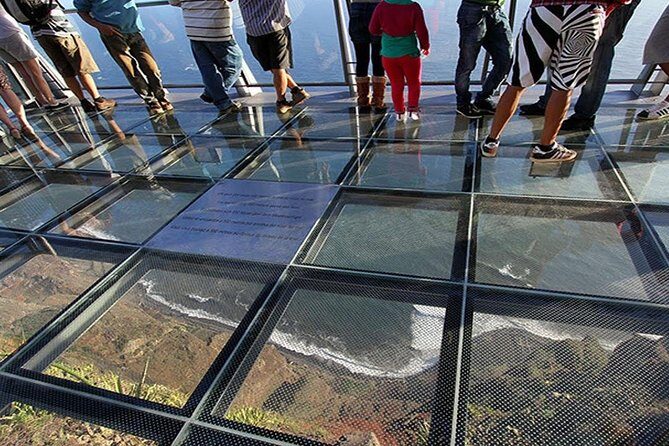
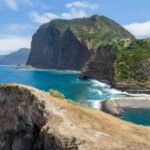
Your first big moment is Cabo Girão, a cliff viewpoint reaching about 580m high. The famous detail here is the glass balcony, and it’s widely recognized for being among the highest viewpoints in Europe. Even if you’ve seen cliff photos before, the altitude hits differently when you’re standing there.
Practical tip: dress for wind. People often think Madeira is always warm, then the high viewpoints remind you they’re in the clouds’ neighborhood.


Ribeira Brava church and coastal village pacing
Next is Ribeira Brava, a coastal stop where you can visit a church dating from the 15th century. The timing is short, so I’d treat this as a look-and-learn moment: quick photos, a look around, and then back on the road.
If you like culture but hate spending hours inside, these quick church visits are a good fit. If you want a museum-level experience, you’ll likely want additional time elsewhere in Funchal or on another outing.
Madalena do Mar: banana plantations, short walk expectations
Madalena do Mar is about 25 minutes, with a stop through lush green banana plantation areas. It’s scenic, but set expectations: this is not a full agricultural tour. You’re getting a taste of the island’s inland farming and how the greenery connects to the coastal roads.
If you’re expecting a major guided banana production story, you might find it more like a scenic pause than a deep farm experience.
Paúl de Serra and Fonte do Bispo viewpoints: levadas area feel
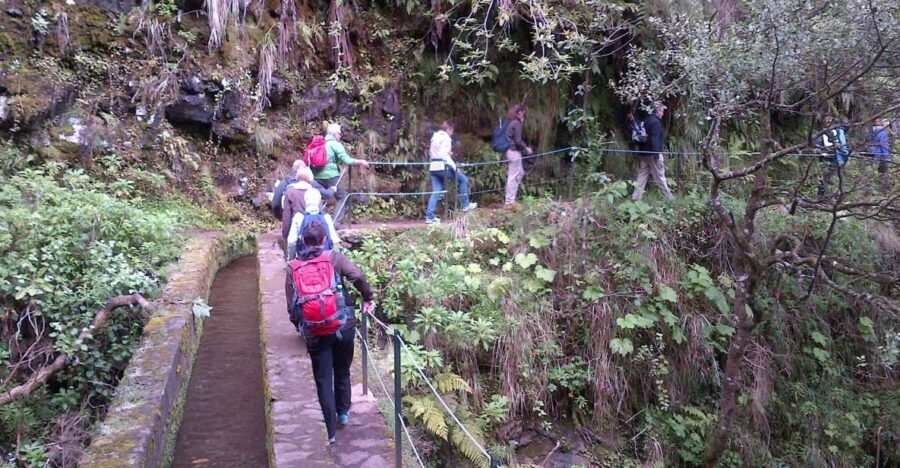
Then the tour climbs toward altitude with a stop at Fonte do Bispo (around 1300 to 1500 meters). This is tied to the Paúl de Serra area and the beginning of levada walks through the Laurissilva forest region.
Even if you don’t do a long walk here, the viewpoint stop gives you a sense of what makes Madeira’s walking culture special. Levadas are basically water channels that shaped access to the interior over time. This is one of the stops that helps you understand why locals walk so much.
Porto Moniz: lunch with natural volcanic pools
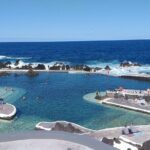
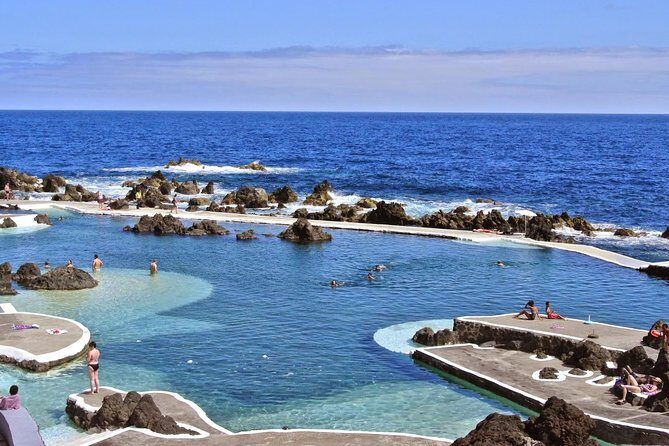
Porto Moniz is a key Day 1 anchor. You get a lunch stop and about 1.30 to 2 hours of extra time in the seaside town. The headline here is Madeira’s natural volcanic pools—described as the largest in the region.
On a clear day, you can even swim, so bring what you need. In practice, I’d pack a basic swim plan (costume + towel) if your weather window looks good, because this stop can turn from sightseeing into a real refresh.
Seixal viewpoint and Véu de Noiva waterfall
At Seixal, you get a brief stop tied to Miradouro do Véu da Noiva (the Veil of the Bride waterfall). The itinerary also mentions passing waterfalls along the way, which is a big part of why this stretch feels dramatic even without a long hike.
Bring your photo patience here. Waterfalls can be misty, and the best shots happen fast before the weather shifts.
São Vicente and the 17th-century church
São Vicente is the next village stop, with time to visit a church dating from the 17th century. Like Ribeira Brava, it’s about quick cultural context and coastal mountain town atmosphere.
You’ll feel the island’s different rhythm: less tourism bustle, more daily life.
Câmara de Lobos: Churchill’s painting village
The last stop of Day 1 is Câmara de Lobos, about 5km from Funchal. It’s a famous fishing village and a well-known painting spot for Winston Churchill.
This is one of those endings that feels easy: take photos, wander a bit, and grab a snack. If Day 1 made you feel “just scenery,” Câmara de Lobos brings it back to people and place.
Day 2: East-coast icons, rum history, and the long look from Ponta de São Lourenço
Day 2 shifts the island’s personality toward the east. You’ll see a statue on a cliff, older towns, and the kind of rocky coastline that feels more “other-world” than “vacation postcard.”
Cristo Rei in Garajau: a monument with big coastal framing
The day starts at Miradouro do Cristo Rei do Garajau. It’s a statue in a surprising setting on Madeira’s east coast and one of the island’s emblematic monuments.
You’re there for the view composition as much as the statue itself. Think: ocean angles, cliff edges, and that sense of scale you can’t get from sea level.
Machico: Madeira’s earlier capital story
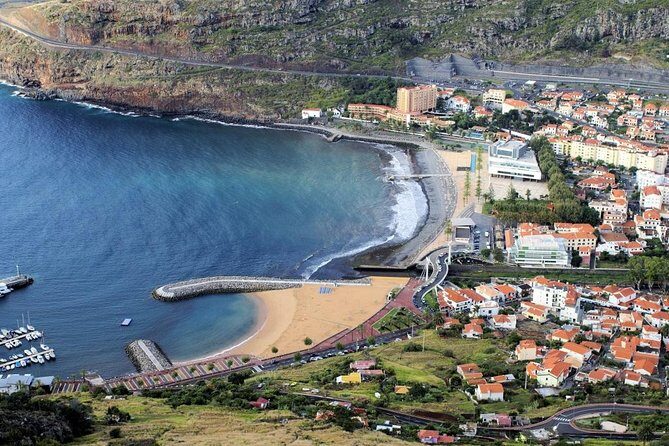
Then you head to Machico. This is a historic city on the east side and was Madeira’s first capital between 1440 and 1496. The timeline matters: first settlers arrived in 1420, while Funchal became the capital in 1508.
This is the kind of stop that makes the island feel older and more connected to wider Portuguese history. With only about 20 minutes, you’ll mostly skim the surface, but you’ll leave with a clearer picture of how Madeira’s power shifted.
Ponta de São Lourenço: the easternmost rock show
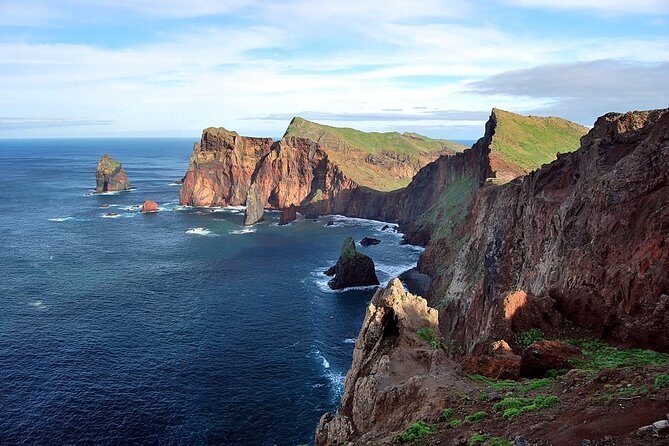
Next is Ponta de São Lourenço, also known as Ponta do Rosto. It’s the easternmost point of Madeira and a nature reserve with panoramic Atlantic views and dramatic rock formations. The itinerary specifically highlights that the scenery here feels very different from the rest of the island.
This is a “stand and stare” stop. It’s also one where the wind can surprise you, and the ground can feel uneven, so wear shoes that don’t hate cliffs.
Porto da Cruz rum history: Engenhos do Norte
Porto da Cruz is a small village with rum distillery history. The stop references Engenhos do Norte, where old steam machines reflect sugar cane’s importance in Madeira. The good part for you: the factory doors are described as open for free entry.
If you like food history, this is a smart cultural break. You can also use the time to cool off from driving heat in a more indoor/covered setting if needed.
Santana and Ribeiro Frio: the day’s cultural layer and the nature trail reset
Day 2 keeps moving, but it stays balanced. After rocky coastline, you get traditional houses and then a quieter valley nature stop.
Santana: triangular thatched houses and time to breathe
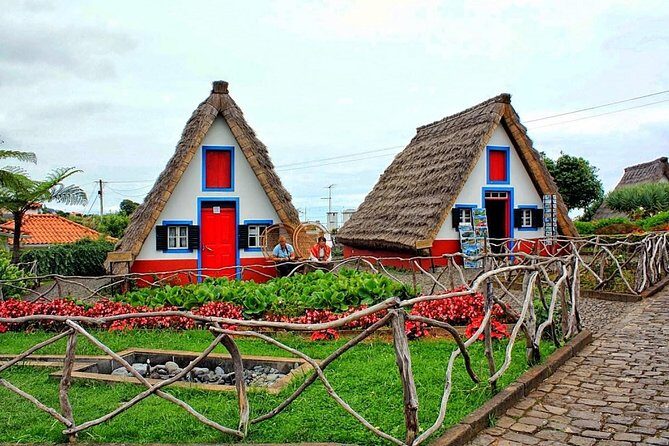
Santana is famous for its colorful triangular thatched houses, an attraction with origins in the 16th century. You also get about 1.30 to 2 hours for lunch/free time, which is crucial on a two-day schedule.
The triangular houses don’t just look cute. They reflect practical architecture built for local conditions. If you walk around a bit and take your time, Santana can feel like you’re actually seeing a living regional identity rather than only snapping photos.
Ribeiro Frio: trout pools and easy trails
Ribeiro Frio is in a deep valley in the north of the island, surrounded by mountains. It’s a popular stop due to trout farming pools and nature trails, and the timing is about 30 minutes.
A nice detail from the itinerary: you may spot birds endemic to the region, including pigeon, chaffinch, and bis-bis (described as the smallest bird in Madeira). This stop is for slower observation: water, birds, and trees.
Pico do Arieiro: the mountain moment, with cloud risk you can’t control
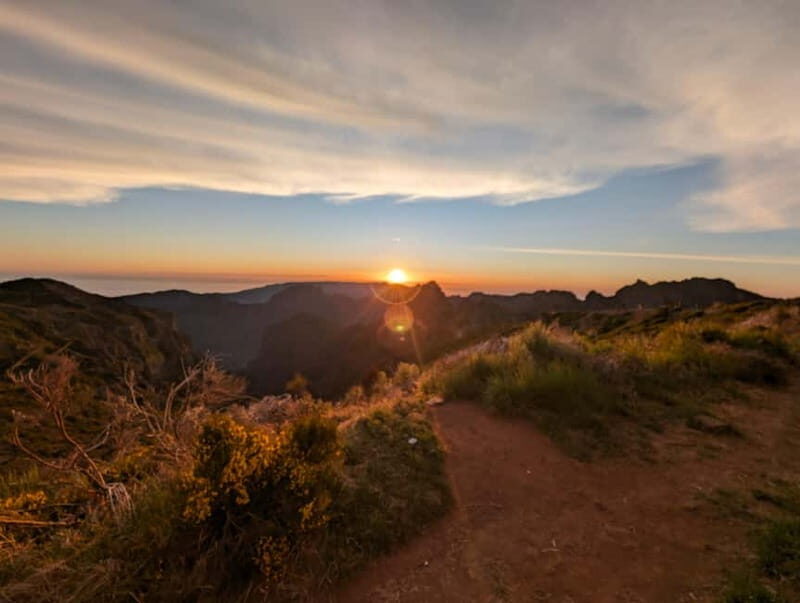
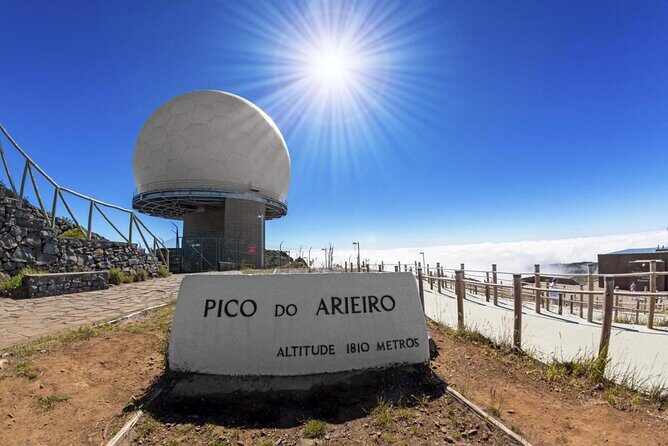
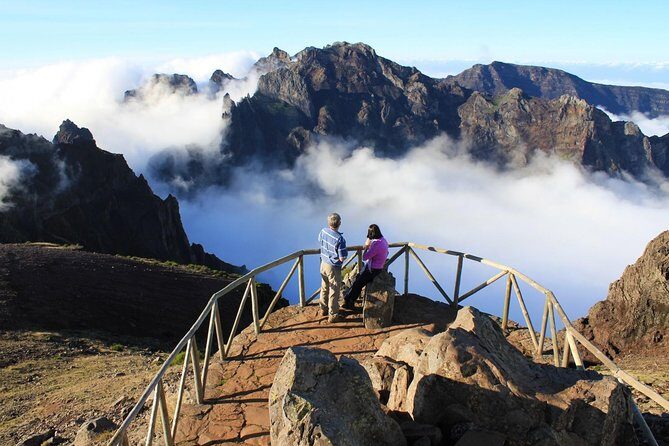
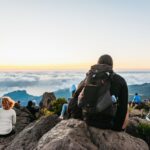
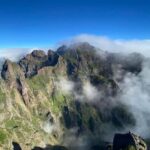
The final big highlight is Pico do Arieiro, at 1818 meters, described as the third highest peak on Madeira. Expect fabulous views—especially when clouds sit below you and rock formations show clearly.
The itinerary also notes that in clear weather you can see the south coast, Curral das Freiras, and even Porto Santo. That’s the “dream day” scenario. The reality check: weather on mountains can shut down peak views fast, and you’ll still be there standing in fog wondering where the ocean went.
On the way up, there’s also Poço da Neve, an igloo-like stone well built by an English family to store ice, snow, and hail. The stop references an air defense radar installed on the summit in 2011, adding a modern layer to a very old-feeling place.
Practical tip: pack layers even if you start the day in T-shirt weather. And if the peak is socked in, it’s still worth showing up—because the cloud movement can change quickly, and the experience is more than a single perfect photo.
Guide quality and how it affects your two days
A lot of the tour success comes down to your guide. In the feedback, names like Renato, Lionel, Gloria, Paulo, and Leonel show up repeatedly, and the common thread is clear guiding plus humor. That matters on Madeira, where you’re constantly turning corners and climbing, and you need someone to translate what you’re seeing.
One practical tip from a seat-and-road perspective: if you tend to get motion sick, it helps to sit toward the front. One person also pointed out that being in the back can make things harder on windy turns. So when you board during pickup, try to place yourself well from the start.
Also note a pacing complaint: some people wanted more time for pictures and less for lunch. That’s not unusual for a schedule like this. My advice is to treat lunch as a reset, not a sightseeing block, and do the photo heavy lifting quickly at each stop.
If you hate loud microphones, plan for it
There was also a complaint about guides using microphones nonstop throughout the trip. If you know you find that annoying, pack earplugs. It’s one small thing that can change the comfort level of the whole day.
Should you book this tour?
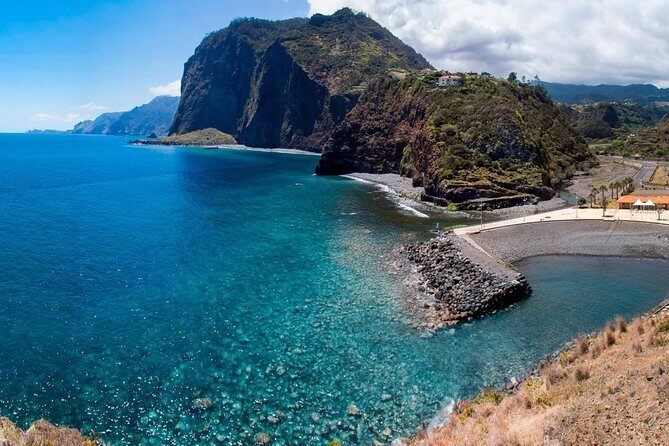
I’d book Around The Island if you want a fast, organized overview with a small group, pickup, and a route built to show the island’s variety. It’s ideal when you’re short on time, don’t want to drive, and you like the mix of viewpoints plus culture—churches, towns, rum history, and a couple of nature-focused stops.
I wouldn’t book it as your only Madeira plan if you need long stays, deep hiking, or quiet nature time. The stops are short, and if you had your heart set on a Fanal Forest walk, this version doesn’t include that inside-the-forest stop—just a nearby viewpoint angle.
If your priority is seeing a lot without doing homework, you’ll probably love it. Just bring layers, a swim-ready option for Porto Moniz, and a plan for motion sickness if you need one.
FAQ
How long is the Around The Island two-day tour?
It runs for two days, with the tour described as 9am to 5pm each day (about two days total).
Is pickup available?
Yes. Pickup is offered from Funchal city centre and the main tourist area. Pickups are also available from hotels in Caniço de Baixo and Garajau for a minimum of two people; if you’re outside these areas, you’ll be directed to the nearest meeting point in Funchal.
What language is the tour offered in?
The tour is offered in English.
Is the ticket mobile?
Yes, the tour includes a mobile ticket.
Are admission tickets included for the stops?
Most listed stops are marked as admission free. Cabo Girão is listed as admission ticket not included.
How big is the group?
The maximum group size is 16 travelers.
Can I cancel for a full refund?
Yes. Free cancellation is available up to 24 hours in advance for a full refund. If you cancel less than 24 hours before the start time, the amount paid is not refunded.