REVIEW
Funchal: Ocean to Mountain Running Tour
Book on GetYourGuide →Operated by Madeira Trail Tours · Bookable on GetYourGuide
Sea to mountain in a single run. This is a serious trail challenge that starts with the ocean and ends with coastal running in Madeira. I like that you cover real variety, from sea-level paths to high forest trails, all guided for safety.
I also love the mix of ocean views and trail atmosphere. One stretch keeps your eyes on the water while you run the Larano Trail, then you move into the Laurissilva area where the soundscape changes to birds, wind, and steady steps.
The main consideration is the effort level early on: the first 5 km climb from sea level up to about 900 m. If steep running is not your thing, you’ll want to match your pace fast and smart.
In This Review
- Key highlights worth planning for
- Sea-to-mountain running on Madeira: what makes this route work
- The climb plan: the first 5 km to 900 m, then easier trail running
- Larano Trail and levadas: running beside water systems and viewpoints
- Laurissilva Forest: the sound changes, and so does the air
- The finish by the shore: getting your legs back with ocean views
- Who’s this for: running fitness, trail comfort, and expectations
- Your guide makes a difference: small group pacing with Dino or Dinarte
- Pickup, timing, and what a 6-hour day feels like
- What you get for $80: value check on a guided trail day
- What to bring (and what to skip) for a safer, more comfortable run
- How hard is it really: reading the elevation and adjusting your pace
- Should you book this sea-to-mountain running tour or skip it?
- FAQ
- How long is the Funchal: Ocean to Mountain Running Tour?
- How far and how much elevation does the tour include?
- Where do I get picked up, and what time?
- What languages are the guides available in?
- What’s included in the price, and is there food?
- What should I bring and what’s not allowed?
- Is the tour refundable if my plans change?
Key highlights worth planning for
- Larano Trail ocean-facing running that makes the climb feel less like a grind
- 28 km total with ~1,000 m elevation gain, moderate-hard effort with a tough early push
- Levada walking/running sections and route work that helps you stay on track
- Laurissilva native forest time in the eastern part of the forest area
- Small group size (max 6) for calmer pacing and more personal attention
- Guides like Dino and Dinarte praised for smart pacing and helping you rejoin after issues
Sea-to-mountain running on Madeira: what makes this route work
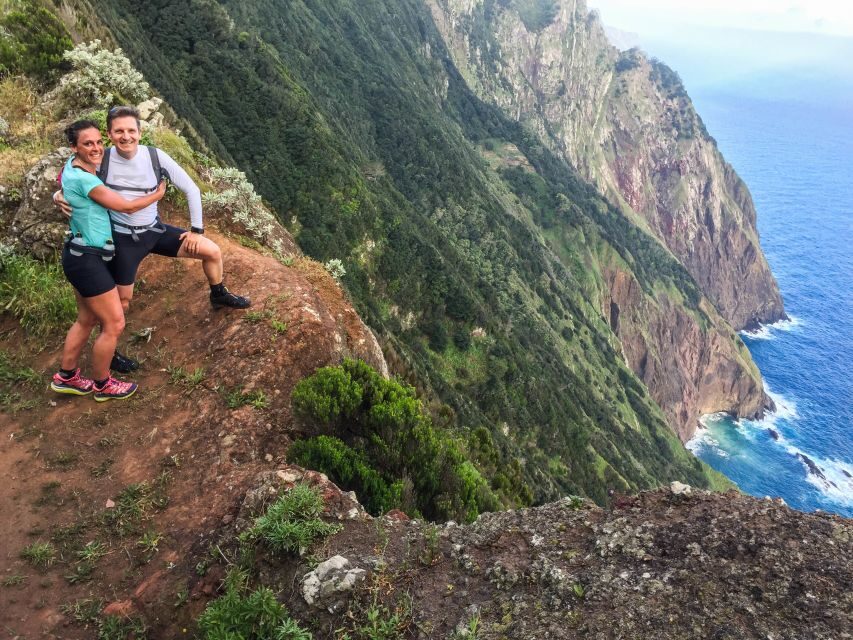
Madeira has a way of changing your surroundings fast. One minute you’re near the sea, the next you’re climbing through trails that feel like they were carved for runners. This tour turns that idea into a single 6-hour workout: you run from the coast up toward the mountains, then finish back along the shoreline.
What I like most is that the experience is not just “run somewhere pretty.” It’s structured to manage effort. The first part is the hardest, then the rest becomes more runnable, with easier trail sections so you can actually enjoy the views instead of just surviving the steep bits.
You’ll be led by a certified mountain running guide, and the route is set up so you’re guided through key trail areas, including levadas and forest paths. That matters on Madeira, where footpaths can be confusing even when they’re marked.
You can also read our reviews of more tours and experiences in Madeira.
The climb plan: the first 5 km to 900 m, then easier trail running
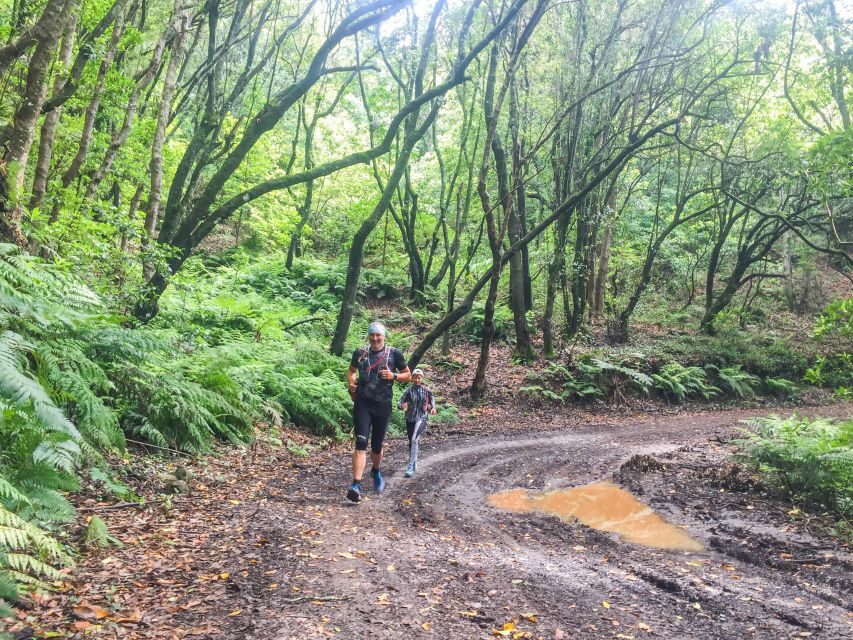
Here’s the pacing truth: the early part is steep. You start near sea level, then within the first 5 km you climb up toward roughly 900 meters. That’s why the tour feels like a moderate-hard day even though the overall run time is only about 6 hours.
After that initial push, the route shifts. The rest of the day includes easier running trails where you can relax your shoulders, keep your breathing steady, and focus on the scenery. Instead of constant steepness, you get more “trail running rhythm,” the kind where you can keep moving without fighting the hill every step.
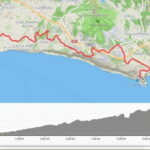
At a total of 28 km and around 1,000 m of elevation gain, this isn’t a casual jog. But it also isn’t the kind of all-out suffer-every-minute route that leaves you wrecked before the fun part. If you can handle an intense early climb, you’ll likely enjoy the second half more than you expect.
Larano Trail and levadas: running beside water systems and viewpoints
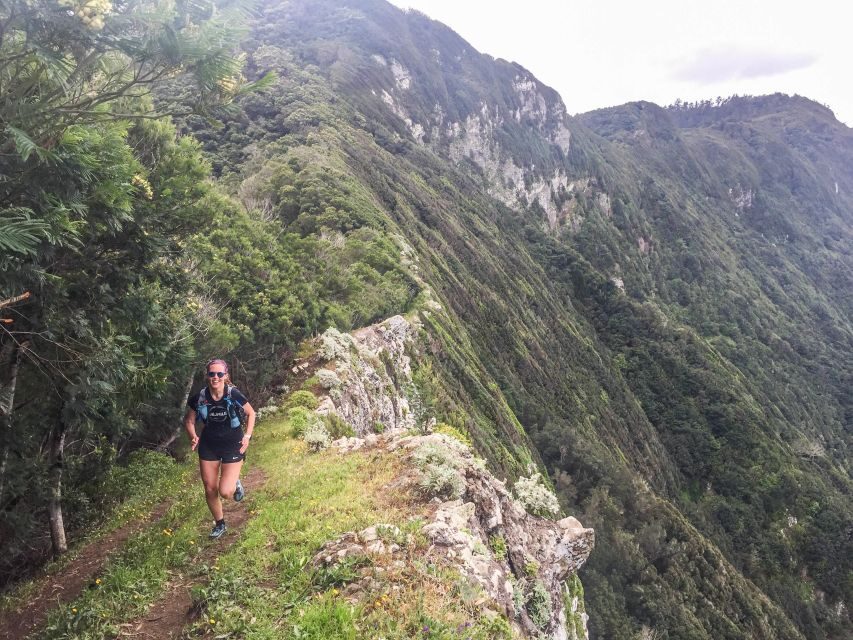
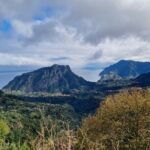
The tour’s centerpiece is running the Larano Trail, and the description really gives away what makes it special: ocean views while you run. Madeira’s coastline is dramatic, but it can also be easy to forget when you’re working hard. Here, the early running includes enough sea-facing sections that the climb feels more connected to the island instead of being just a workout.
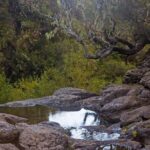
Then there are the levada moments. Levada routes are a signature of Madeira, tied to the island’s historic water channels. In practice, they shape how the trails move: you’ll find yourself following paths linked to those systems, and you’ll get sections where the terrain and footing feel different from standard hillside trail.
This matters for two reasons:
- You get variety in how the ground feels under your shoes.
- The guide helps you interpret what to do when trail conditions change.
In one example from a prior participant, a small section was closed due to a landslip, and the guide’s knowledge made it obvious how to rejoin. That’s exactly the kind of “small detail” that can turn an okay run into a smooth one.
Laurissilva Forest: the sound changes, and so does the air
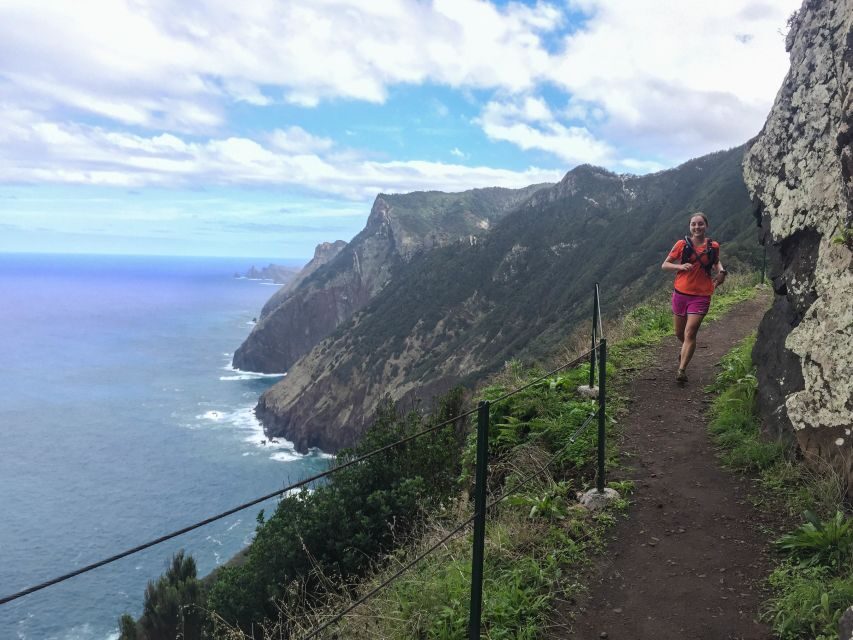
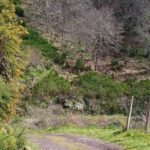
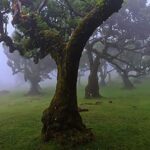
The tour doesn’t just touch the forest—it takes you into the eastern part of the Laurissilva native forest. This is one of Madeira’s defining environments, known for its lush, humid character and the way it softens the island’s edges.
What you’ll notice quickly is the shift in atmosphere. When you move into Laurissilva, the ocean noise fades into a quieter background, replaced by wind through leaves, bird calls, and the steady cadence of feet on trail. It’s still physically demanding, but emotionally it feels like you’ve stepped into a different Madeira.
If you like nature that feels lived-in rather than staged, this is a big part of why the tour earns a strong reputation. The forest time also breaks up the day so you’re not only thinking about elevation and footing.
The finish by the shore: getting your legs back with ocean views
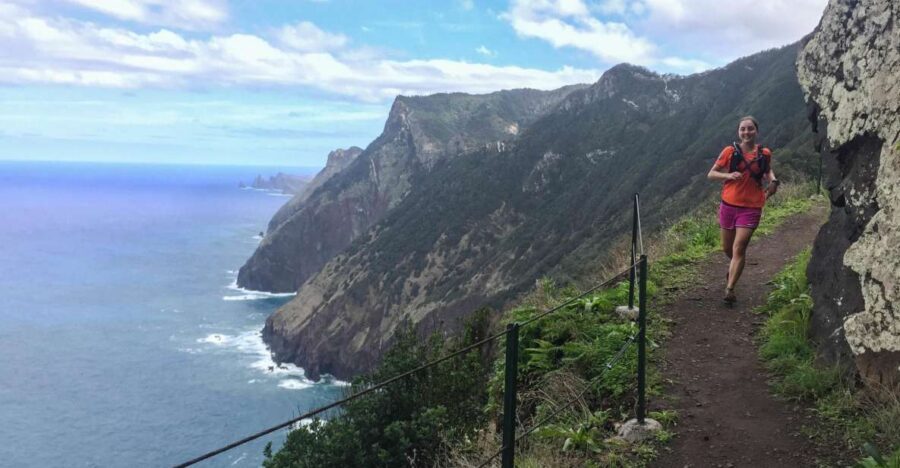
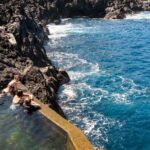
The final phase is designed to feel smoother. After the harder first stretch and the easier trailing-run sections, you end on a trail by the shore. You’ll be constantly surrounded with ocean sounds and views, which is a great way to land the day without ending on another brutal climb.
This matters if you’re managing fatigue. Ending with coastal running usually gives you something to focus on besides your legs. It’s also a nice psychological shift: you’re not “trying to get it done,” you’re finishing with a sense of arrival.
If you’ve ever had a trail run that ends with a late surge of uphill pain, this one is built to avoid that. The description points to a gentle finish, which makes it more appealing for a broader range of runners.

Who’s this for: running fitness, trail comfort, and expectations
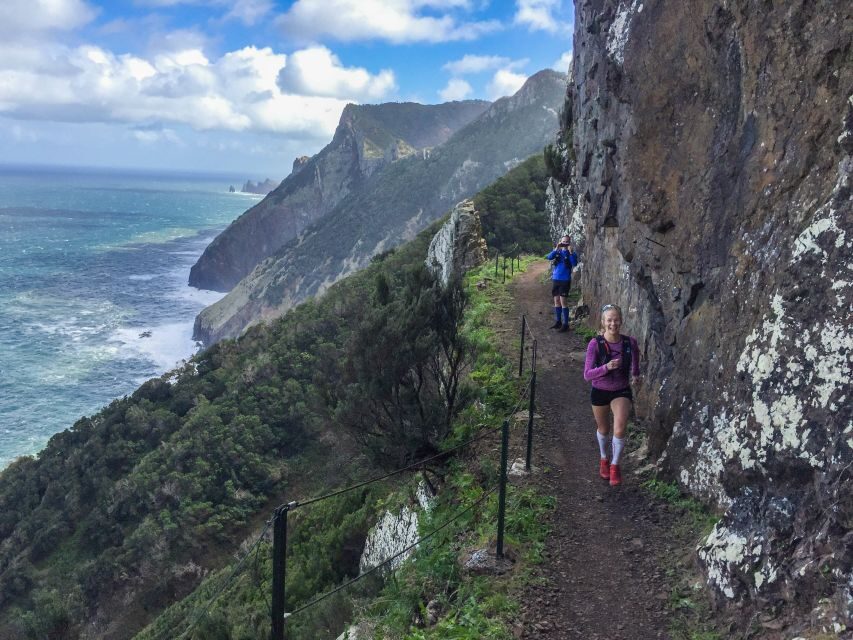
This is best for people who can run 28 km on trails and handle a steep early climb without needing to stop constantly. You don’t need to be a racer, but you do need basic trail confidence: comfortable shoes, good foot placement, and the ability to keep a steady effort while the elevation rises quickly.
The tour is also ideal if you like guided experiences that are active, not museum-style. You get practical guidance for staying on route, pacing through hard sections, and moving through forest and levada terrain without guessing.
It’s not the right fit if you want flat, road-style running. And it’s not suitable for wheelchair users based on the activity details.
Your guide makes a difference: small group pacing with Dino or Dinarte
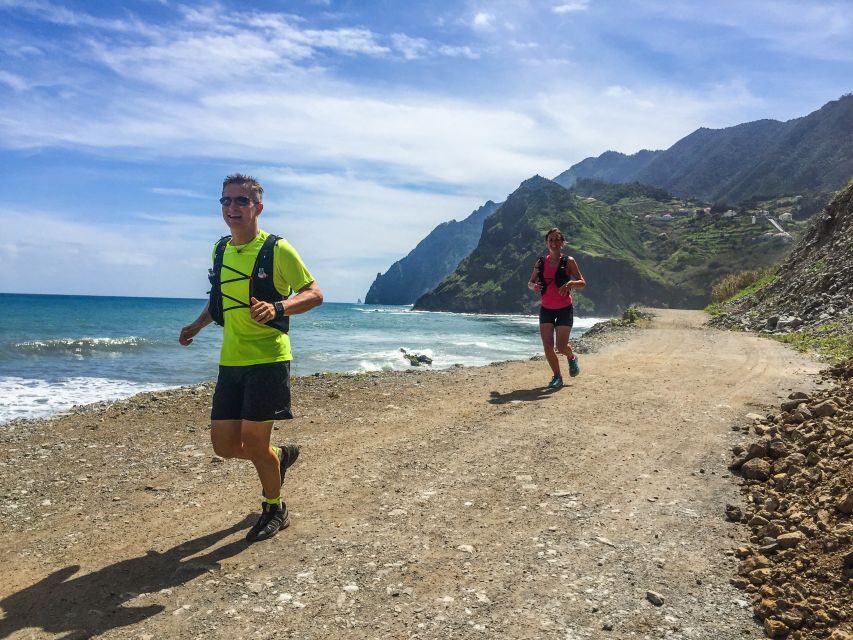
This is a small-group run, limited to 6 participants. That changes the whole feel of the day. Instead of getting lost in the middle of a bigger group, you’ll get more consistent pacing and easier communication.
Guides like Dino and Dinarte are specifically noted for pacing that feels right for small groups. The goal isn’t to race; it’s to manage effort so you don’t burn out during that first 5 km climb to about 900 m.
There’s also a safety angle that’s easy to underestimate. One participant described that the route is well signposted, but a guide still makes a real difference when conditions change, like when a trail section closes due to a landslip. That’s the kind of local intelligence you can’t reliably get from signs alone.
Pickup, timing, and what a 6-hour day feels like
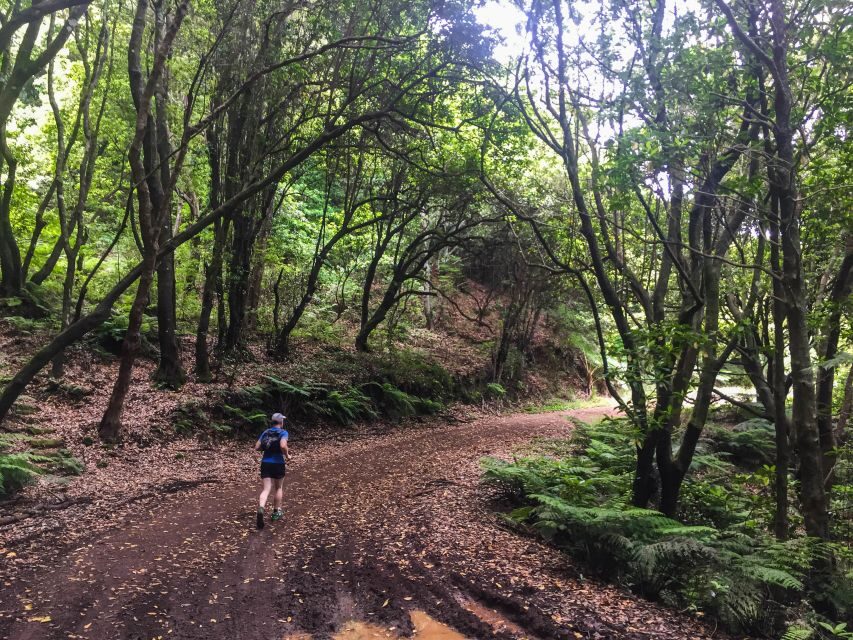
You’ll be collected from your Funchal accommodation between 8:30 AM and 9:30 AM, then driven to the start where you’ll warm up. Warm-up time matters more on this tour than on a flatter run because your body needs to be ready for the early ascent.
The tour runs for about 6 hours total. Within that window, the route moves from sea level up into the mountains, through levada and forest areas, then back down and along a shore trail to finish.
Because exact start times can vary, check availability when you book. The important thing for planning is to treat it like a real morning workout. You’ll be active for most of that 6-hour block, not sitting around with occasional short trail breaks.
What you get for $80: value check on a guided trail day
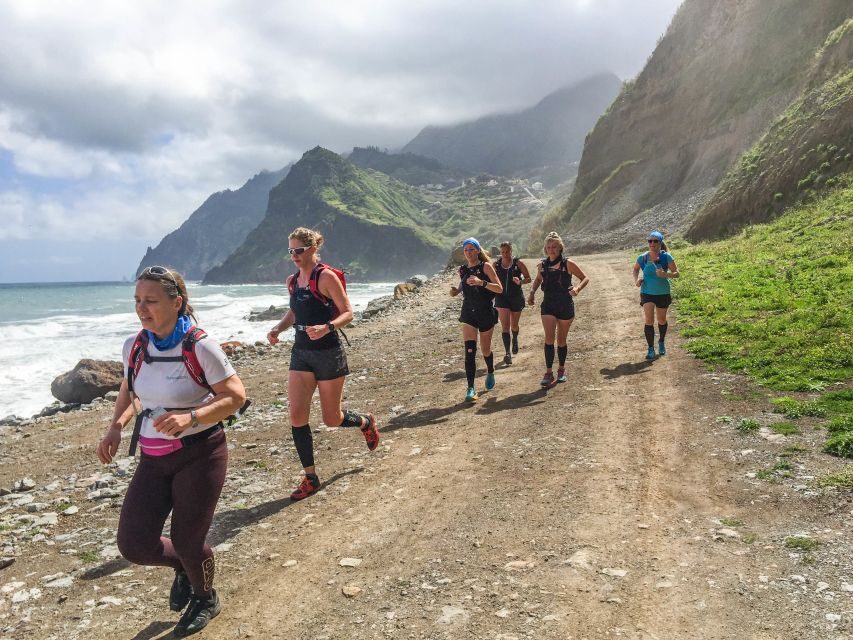
At $80 per person, the value comes from what’s included and what’s not. Included items reduce your day-of hassle and add peace of mind:
- hotel pickup and drop off in Funchal
- a certified mountain running guide
- snack bars and a water bottle
- liability and personal accidents insurance
Not included:
- food and drinks beyond what’s provided in the tour basics
Here’s how I’d think about the price. This is not just “a guided walk.” It’s a structured 28 km trail running experience with technical terrain (levadas, forest trails, and route changes possible). On top of that, they handle your transport from Funchal and include insurance, which is a real cost behind the scenes.
If you plan to buy extra snacks or a full meal afterward, you’ll want to budget for that since food and drinks are not included. But the basics are covered, and you’ll already have fuel for the run via snack bars.
What to bring (and what to skip) for a safer, more comfortable run
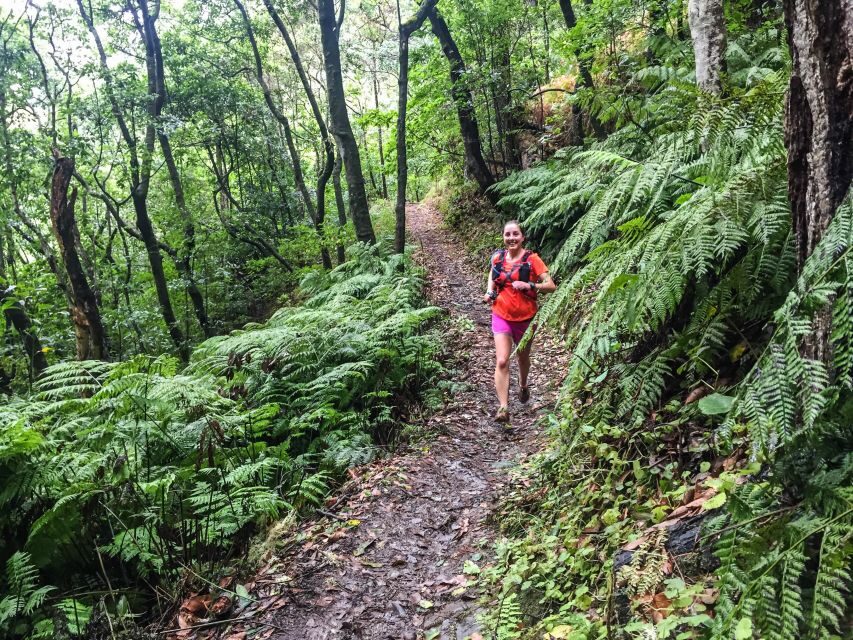
Madeira weather can shift, and trail conditions can be damp even on pleasant days. The tour asks you to bring a few essentials, and you should take them seriously:
Bring:
- comfortable shoes suitable for trail running
- sunscreen
- a jacket
- a daypack
Not allowed:
- pets
- open-toed shoes
My practical tip: treat the jacket like part of your safety kit, not just comfort. During climbs and in forest areas, you can feel cooler than you expect, especially near shaded routes.
Also, get your shoe choice right. If your shoes are fine for roads but not for uneven trail, you’ll feel it fast on a route like this.
How hard is it really: reading the elevation and adjusting your pace
The numbers are clear: 28 km and roughly 1,000 m of elevation gain. The tour also tells you where the pain lands: the first 5 km climb from sea level up to about 900 m. That is steep and front-loaded.
So the best strategy is not to “save everything for the end.” Save your legs by adjusting early. Once you pass that toughest segment, the rest becomes easier running trails. That’s when you’ll get to enjoy the views and the coastal finish more fully.
If you start too fast, you risk arriving at the “easier” parts already spent. If you start controlled, you’ll likely feel the day open up.
Should you book this sea-to-mountain running tour or skip it?
Book it if:
- you want a guided run that mixes ocean views, levadas, and Laurissilva forest
- you can handle a hard early climb and still run comfortably for the rest of the day
- you prefer small-group pacing (max 6) and a guide who helps with route changes
Skip it if:
- you want mostly flat running
- steep trail climbing makes you miserable
- you need wheelchair accessibility
If you’re the kind of traveler who likes active days that still feel true to the place, this is a strong match. You get Madeira’s two sides in one run: sea air and mountain effort, finished with coastal steps while the ocean stays in your ears.
FAQ
How long is the Funchal: Ocean to Mountain Running Tour?
It runs for about 6 hours.
How far and how much elevation does the tour include?
The total distance is 28 kilometers, with an approximate elevation gain of 1,000 meters.
Where do I get picked up, and what time?
You’ll be picked up from your Funchal accommodation between 8:30 AM and 9:30 AM.
What languages are the guides available in?
The live guide is available in English, Spanish, and Portuguese.
What’s included in the price, and is there food?
Included are hotel pickup/drop-off, a certified mountain running guide, snack bars, a water bottle, and insurance. Food and drinks beyond that are not included.
What should I bring and what’s not allowed?
Bring comfortable shoes, sunscreen, a jacket, and a daypack. Pets and open-toed shoes are not allowed.
Is the tour refundable if my plans change?
You can cancel up to 24 hours in advance for a full refund.