REVIEW
Bat Watching Madeira
Book on GetYourGuide →Operated by Madeira Fauna & Flora · Bookable on GetYourGuide
Madeira’s bats are easiest to find after dark. This tour turns you into a bat scientist with ultrasound detectors and (when available) thermal tools, while you learn how Madeira’s native bats hunt, defend food patches, and socialize. I like that it is intentionally focused on bats rather than treating them as a side quest, and the small group format helps you actually ask questions. One possible drawback: on a bad night (windy, humid, cold) you might hear bats without seeing them clearly.
The highlight for me is the human touch. The guide Sergio is a bat specialist and professor involved in conservation programs, and his teaching style makes the science feel doable instead of intimidating. The other thing I really like is the practical kit and materials included, plus the tour touches conservation for an endangered species—not just spectacle.
Key points to know before you go
- Madeira’s only tour dedicated to bats, with a native-mammal focus
- Ultrasound bat detectors so you can hear echolocation, not just look
- Multiple night stops to improve your chances at spotting activity
- Conservation-minded education, including how bats live and what they eat
- Small group (max 8) for better questions and closer attention from the guide
In This Review
- Why Madeira’s bats are worth chasing after dark
- Turning into a bat scientist with ultrasound detectors
- What happens during the 3-hour bat hunt
- Thermal cameras, hot drinks, and the gear you should plan around
- Price and value: is $47 worth it?
- Transfers in Funchal: what’s included and what you must arrange
- What to bring (and what to avoid) for a better bat night
- Who this tour suits best on Madeira
- Should you book Bat Watching Madeira?
- FAQ
- How long is the bat watching tour?
- Where does the tour take place?
- What is the price per person?
- Is the tour a small group?
- What’s included in the price?
- Are transfers included if I’m staying outside Funchal?
- What languages are available for the tour?
- What should I bring for the tour?
- Are alcohol or drugs allowed?
- What are the cancellation rules?
Why Madeira’s bats are worth chasing after dark
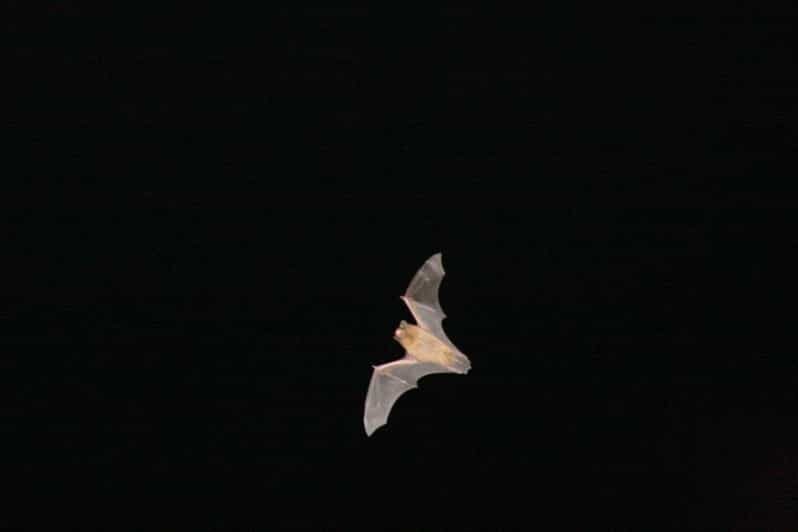
Madeira might look like a sunny, beachy island by day. After sunset, it becomes something else: a place where small mammals run the night on wings. This is one of the few experiences on Madeira that is specifically designed around bats—not general wildlife, not a quick photo stop.
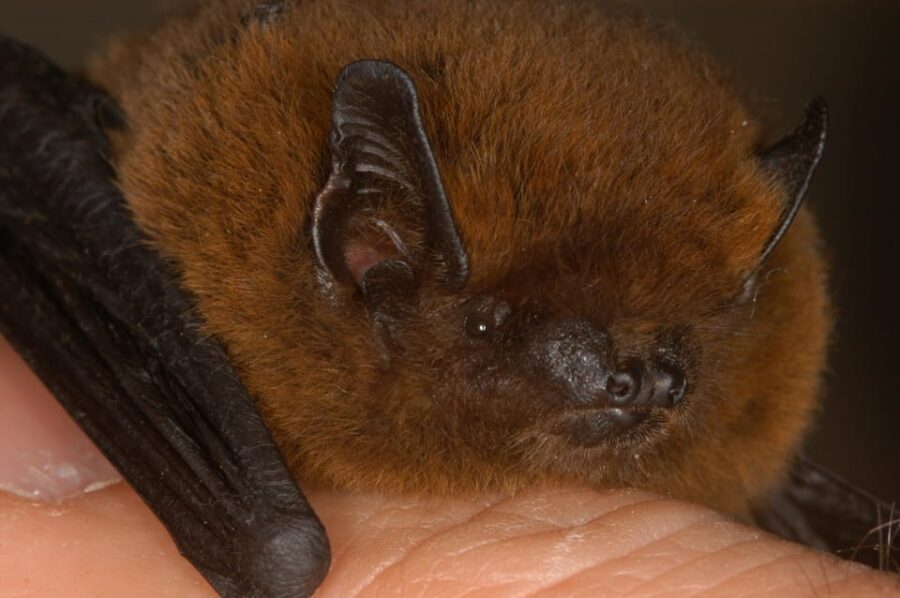
You’ll learn the basics of how bats work in the real world: how they track prey using echolocation, how they move through hunting areas, and how they interact with each other. The tour description even frames it as a chance to watch bats while they hunt, defend feeding patches, and socialize. That matters, because it shifts your focus from spotting a silhouette to understanding behavior.
If you’re coming with kids, the tone is very approachable. One family experience centered around ages 7 and 9, and the kids loved the mix of learning and action. That’s a good sign: this isn’t only for specialists with binoculars and patience.
Turning into a bat scientist with ultrasound detectors
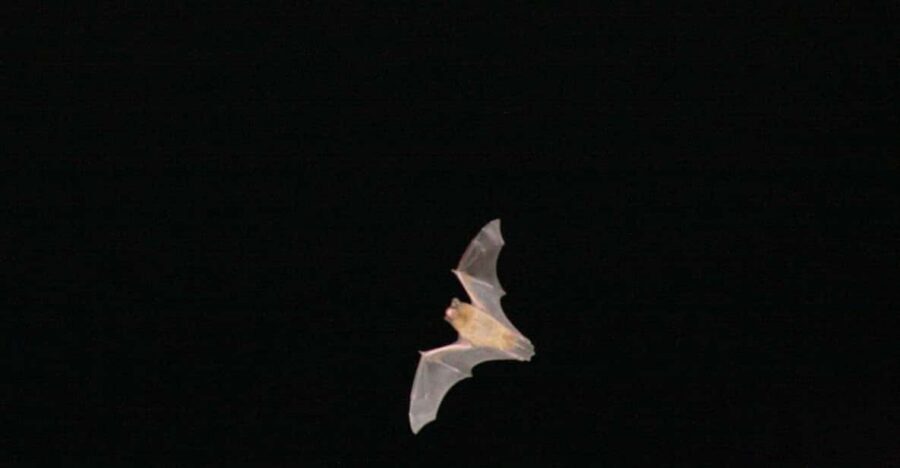
The core of this tour is listening and observing with equipment. You use ultrasound bat detectors (the kind that translates high-frequency echolocation into something you can detect), and you rely on your guide to connect what you’re hearing to what’s likely happening nearby.
Here’s what that does for your experience:
- Even if visibility is limited, you’re not stuck waiting for a miracle. If bats are active, your detectors can pick up their signals.
- You start thinking like a field researcher. You’re not just asking Where are they? You’re also noticing patterns: where the calls are strongest, when activity rises, and how behavior changes with the surroundings.
Sergio’s background as a bat specialist and professor shows in the way the tour explains what makes Madeira’s bats distinct. You should expect clear answers about types of bats, where they live, and what they eat. That is the difference between a tour that says bats are cool and one that helps you actually understand them.
You can also read our reviews of more tours and experiences in Madeira.


What happens during the 3-hour bat hunt
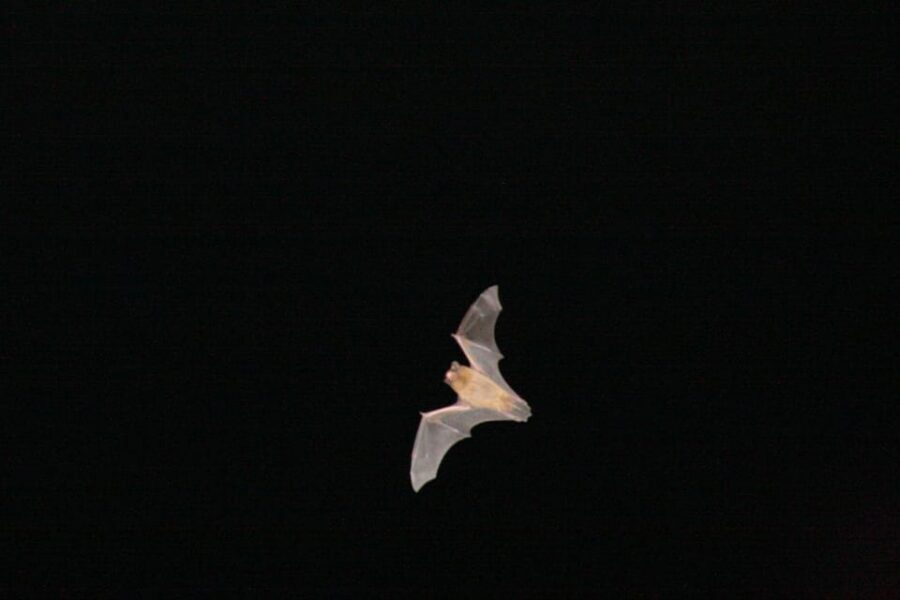
The tour lasts 3 hours, and it runs at set starting times based on availability. Expect a late-night style outing, with enough movement and waiting that you’ll want comfortable night clothing.
A helpful way to picture the rhythm:
- Meet with the naturalist guide and go over the basics of what you’ll look for.
- Head to multiple observation areas across the night. The tour experience includes several locations; one account described going to three or four.
- At each stop, you’ll use your observation materials to listen for echolocation activity.
- The guide explains what you’re seeing or hearing and connects it to bat behavior—hunting activity, feeding territories, and social behavior.
Why multiple locations matter: bat activity can be patchy. One spot might be quiet, while another nearby can suddenly light up with calls. By moving through different areas, you keep your chances alive without turning the night into a frantic sprint.
Also, remember the reality of night wildlife watching on an island: weather changes fast. One experience noted that a windy, humid night made visibility difficult. In that case, the detectors still picked up calls a couple times. That is a useful reminder for you: prioritize listening as much as spotting.
Thermal cameras, hot drinks, and the gear you should plan around
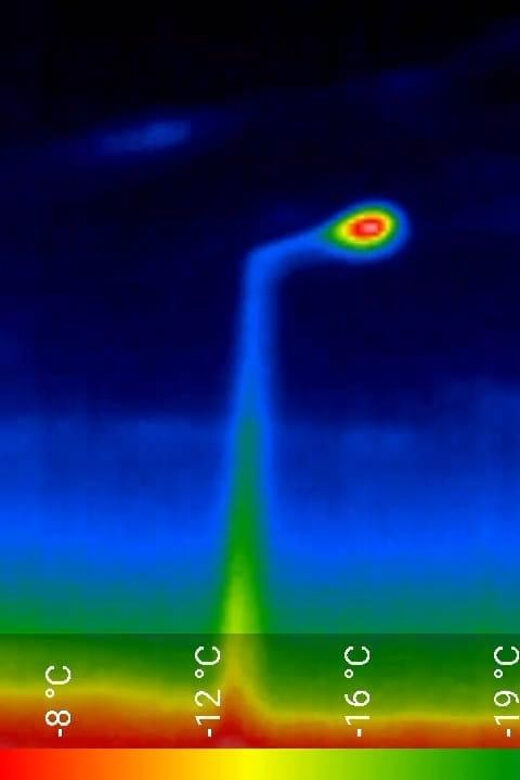
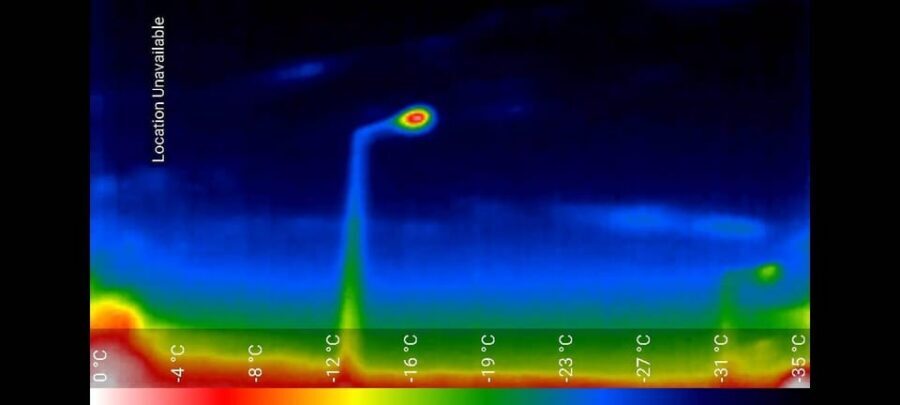
The tour highlights mention ultrasound bat detectors and thermal cameras. The included list says observation materials are included, and it also includes a hot beverage.
In practice, equipment can vary by group and conditions. One account specifically mentioned no thermal camera and no hot drink during the outing. I can’t promise what you’ll receive in every instance, so if you care a lot about thermal imaging (or you’re counting on a warm drink for comfort), it’s smart to ask the operator before you go what’s guaranteed on your date.
What is consistent from the info you have:
- You get a naturalist guide.
- You get observation materials.
- You get images and information about the species, plus the guide’s explanations.
- You’re expected to bring warm clothing and comfortable shoes.
- Alcohol and drugs are not allowed.
My practical advice: pack for cold and damp even if the forecast looks okay. Warm layers do more for your comfort (and your willingness to stand and listen) than anything else.
Price and value: is $47 worth it?
At $47 per person for a 3-hour guided night experience, this is priced like a specialized wildlife tour, not a bargain attraction. So the key question is value: what do you actually gain?
You get several things working together:
- A guide who knows bats deeply (Sergio is described as a bat specialist, professor, and conservation partner).
- Tools (ultrasound detectors and included observation materials) that help you detect bats even when you can’t see them well.
- Education with purpose: conservation of endangered species, plus information about the bats’ needs and behavior.
- Small group size (limited to 8), which usually means less waiting your turn and more attention at each stop.
If you’re the type who enjoys science, natural history, or just learning how animals actually behave, the price feels fair. If you only want a guaranteed wildlife sighting for photos, this may not be your best bet—night creatures depend on conditions. But if you’re happy to listen, learn, and try, you’ll likely feel you got your money’s worth.
Transfers in Funchal: what’s included and what you must arrange
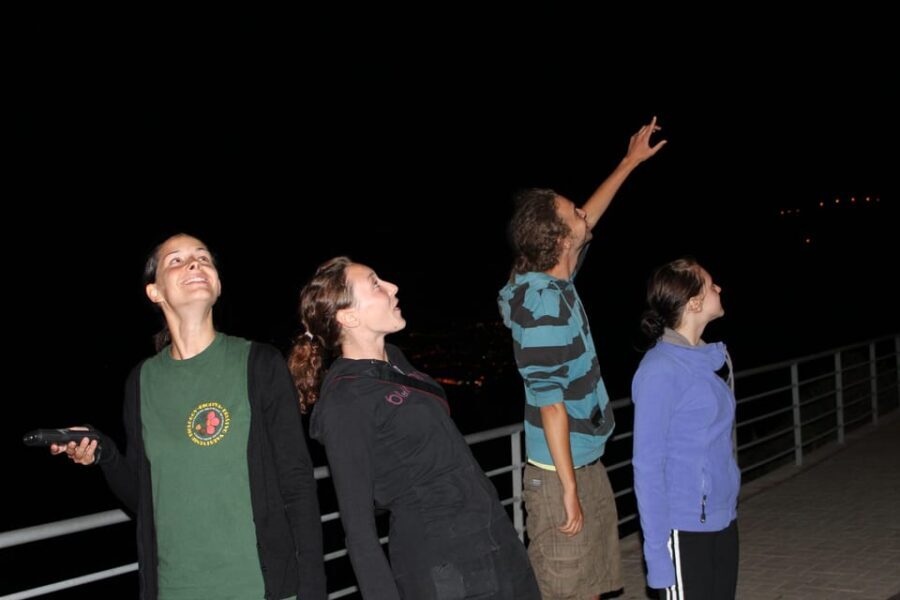
This tour includes hotel and cruise transfers within the Funchal area. If you’re staying outside Funchal, you’ll need to contact the operator for possible alternative pickup locations.
Why this matters: late-night logistics are where fun can disappear fast. Make sure you confirm your pickup details early so you don’t end up sprinting in the dark with cold feet.
For planning:
- If you’re in Funchal, you’re set.
- If you’re elsewhere on the island, treat transport as something to handle proactively, not something to assume.



What to bring (and what to avoid) for a better bat night
This tour is simple, but it’s not casual. You’re outside, you’re likely standing, and you’re dressed for bat-spotting weather.
Bring:
- Comfortable shoes
- Warm clothing
- Comfortable clothes you can move in
Avoid:
- Alcohol and drugs are not allowed
If you’re tempted to wear heavy perfume or strong lotions, consider keeping it light. The goal is to be comfortable and unobtrusive while you listen and wait.
Who this tour suits best on Madeira
This is a great fit if you want more than a quick look at wildlife. You’ll enjoy it if you like:
- Native species education (Madeira’s bats are described as the only native land mammals on the island)
- Hands-on science style tools like ultrasound detectors
- Conservation-focused storytelling
It also works well for families, especially kids who handle a few hours of nighttime activity. One family outing with ages 7 and 9 described real excitement and learning.
It might be less satisfying if:
- You want guaranteed visual sightings regardless of weather.
- You’re uncomfortable standing in night conditions.
- You’re expecting a purely passive experience with minimal explanations.
Should you book Bat Watching Madeira?
I’d book it if you like science, nature, and the idea of learning how bats behave rather than hoping for a lucky photo. The small group size and the guide’s bat expertise (Sergio’s specialist background) are the strongest reasons. The included observation materials also help you feel like you’re doing real detecting, not just tagging along.
I’d hesitate only if you’re very weather-dependent—because even with detectors, visibility can be tough on windy, humid nights. If thermal cameras and the hot beverage are must-haves for you, ask ahead so there are no surprises.
If you’re in Funchal and you want a genuinely different night on Madeira, this is one of the more focused and educational options available.
FAQ
How long is the bat watching tour?
It lasts 3 hours.
Where does the tour take place?
The tour is in Madeira, Portugal.
What is the price per person?
The price is $47 per person.
Is the tour a small group?
Yes. It is limited to 8 participants.
What’s included in the price?
Included are a naturalist guide, observation materials, images and information about the species, a hot beverage, and transfers within the Funchal area.
Are transfers included if I’m staying outside Funchal?
Transfers are included within Funchal. Outside that area requires additional contacting for possible alternative pickup locations.
What languages are available for the tour?
The live guide speaks English and Portuguese.
What should I bring for the tour?
Bring comfortable shoes, warm clothing, and comfortable clothes.
Are alcohol or drugs allowed?
No. Alcohol and drugs are not allowed.
What are the cancellation rules?
You can cancel up to 24 hours in advance for a full refund.