REVIEW · FUNCHAL
Funchal Agriculture Green Tour
Book on GetYourGuide →Operated by Secret Madeira Lda · Bookable on GetYourGuide
From farm gate to rum stills, it’s a packed day. This small-group tour mixes private agriculture visits with hands-on lessons and good food. I especially like the access to private banana and cattle farms, plus the way you learn the farming side, not just take photos.
The one thing to keep in mind: in winter, you may not always get fully ripe bananas for tasting, and the day involves walking over uneven farm ground.
In This Review
- Key things that make this tour worth your time
- Bananas, grafting, and cows: the real Madeira agriculture day
- Pickup and timing around Funchal and Caniço
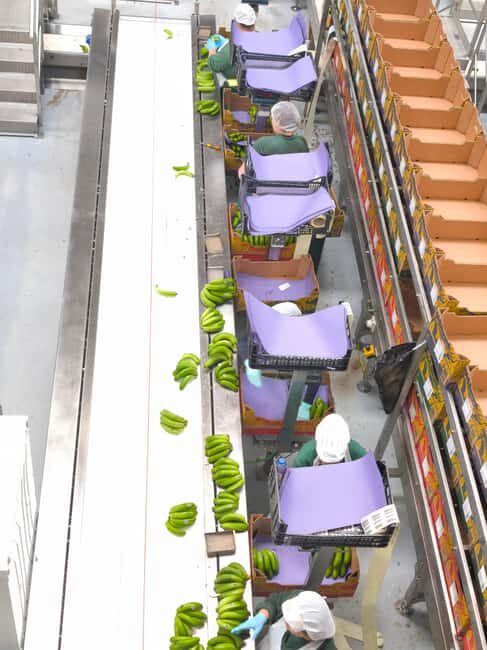
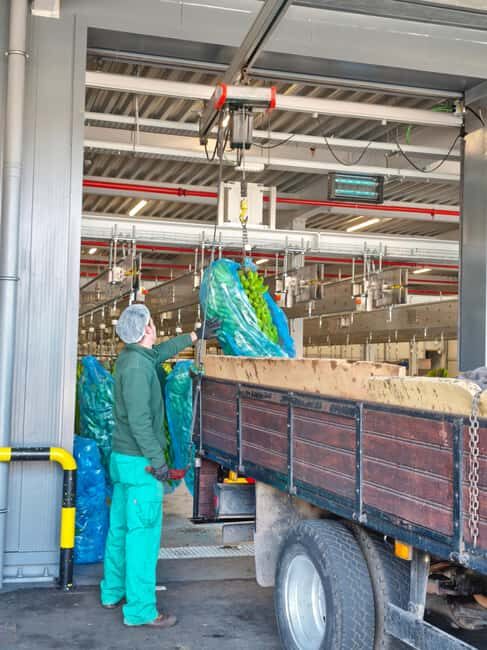
- Banana business at GESBA: how fruit becomes packed produce
- Private banana field access in Funchal: watching farmers at work
- Agriculture School greenhouse tour: grafting methods and tree planning
- Private cattle farm with a long family timeline
- Countryside lunch in a cozy rural setting
- Porto da Cruz rum factory and steam machines
- Small group size: why the day feels personal
- Who this tour suits (and who should skip it)
- Should you book the Funchal Agriculture Green Tour?
- FAQ
- How long is the Funchal Agriculture Green Tour?
- What’s included in the price?
- Is the group small?
- Where does hotel pickup happen?
- What language is the live guide?
- What should I bring and wear?
Key things that make this tour worth your time
- Private banana field visit in and around Funchal, with a look at how families care for their land
- Agriculture School + greenhouse tour focused on grafting methods and how trees are prepared
- Old cattle farm visit tied to Madeira’s requeijão cheese tradition, including older milking techniques
- Countryside lunch with fresh bread, tapas-style starts, a main choice (fish or meat), desserts, and drinks
- Porto da Cruz rum factory to see steam machines still in use, plus rum tasting
Bananas, grafting, and cows: the real Madeira agriculture day
This is the kind of tour that helps you understand what you’re actually eating and drinking in Madeira. You’re not just passing scenic viewpoints. You’re seeing how the island grows food, how farmers plan seasons, and how old trades keep going.
A big part of the appeal is the mix of private and organized stops. You get a private banana field visit, then you step into a more structured banana business visit, then you head to an agriculture school where grafting is the star of the show. After that, it’s onto a private cattle farm with a long family timeline. The day ends with rum-making at an old Porto da Cruz factory where steam machines are still working during the right season.
If you like learning by watching, this works well. You’ll see tasks, methods, and tools as they happen, not just diagrams. And with small groups (limited to 8), you’re more likely to get personal answers when you ask questions about farming, trees, and seasons.
The tone stays practical. Even when the topics are technical—like grafting—you’re guided through them at a human pace.
You can also read our reviews of more tours and experiences in Funchal.

Pickup and timing around Funchal and Caniço
This runs as a true morning-to-afternoon excursion with hotel pickup and drop-off in the Funchal and Caniço areas. The tour notes multiple pickup options, including Santa Cruz, Caniço, Garajau, and Funchal. If you’re staying in Caniço or Funchal, you’ll generally be easiest to place on the route.
Two things matter for your day:
- Bring comfortable shoes. Farm paths and countryside stops aren’t flat and polished.
- Pack warm clothing or a jacket. You’re outside a lot, and greenhouse/countryside conditions can feel cooler than the coast.
Pickup timing can shift a bit due to road works, accidents, or traffic, and you’re asked to wait in the lobby about 10 minutes before the scheduled time. I’d treat that as a nudge to stay ready, not a promise of exact timing. If you’re traveling with a strict schedule later that day, build in buffer time.
Language support is strong for a tour like this. You can choose a guide who speaks Spanish, English, French, or German, and the group stays small.
Banana business at GESBA: how fruit becomes packed produce
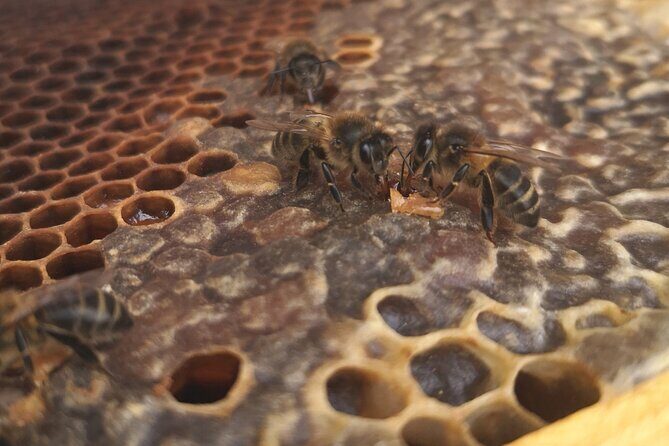
One of the best parts of this tour is that it doesn’t stop at seeing plants. It takes you through the banana industry workflow—from selection and cutting to packing.
You’ll get a guided visit to GESBA, the banana sector management company (GESBA – Empresa de Gestão do Sector da Banana, Lda.). This is where you can connect the dots between what’s happening in the fields and what happens after harvest. It also helps you understand why farmers care about timing and consistency, not just growth.
What I like here is the balance. You’re not only hearing farming stories from one side. You’re also seeing a more official business view of the banana chain. That makes the private farm visit feel even more meaningful, because you can see what the industry needs to deliver.
And yes, there’s also a banana tasting at the end. Just remember the seasonal note: in winter, bananas aren’t always ripe, so tasting may be different than peak summer expectations.
If you’re a banana fan, this will turn into more than background produce. You’ll start noticing how plant choices and handling affect the end product.
Private banana field access in Funchal: watching farmers at work
After the organized visits, you get that special feeling of stepping onto land that isn’t a public attraction. The tour includes private banana field visits, and the focus is on how farmers look after their land.
This is where the day feels most “made of people.” The point isn’t only the crop. It’s the care: how they manage the plants, how they approach the ground, and how they keep the business running.
Because the group stays small, you’re not rushed through. You can ask questions and actually hear answers. That matters because banana farming isn’t one simple routine—there are lots of choices happening behind the scenes.
For photographers, it’s also a useful stop. You’ll get a more authentic view of how farming looks in real life, especially with the way Madeira’s hills and valleys shape the work.
Agriculture School greenhouse tour: grafting methods and tree planning
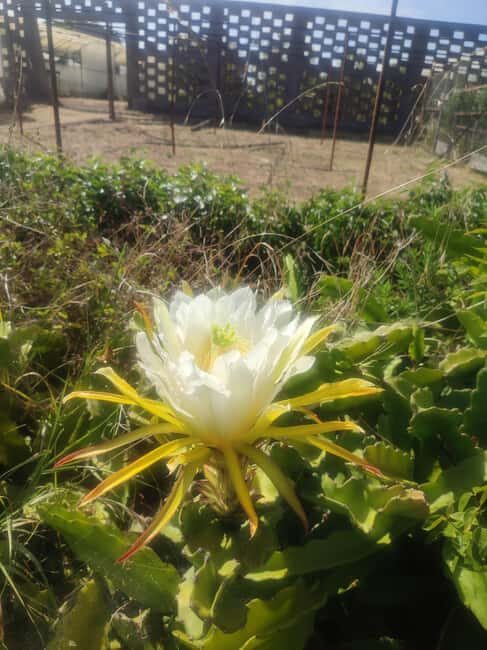
Then you shift from field work to the science—and the trade—behind it. The tour includes a stop at an agriculture school where farmers come to buy trees to plant. This is a clever pairing because you’ve already seen the fruit and the farms. Now you see how the next generation of plants is prepared.
Inside the greenhouse setting and around the school grounds, the tour focuses on grafting methods used on the island. Grafting can sound like a niche detail, but it’s actually central to how many growers adapt plants to local conditions and produce goals.
You’ll also tour areas with trees planted years ago and see international and local varieties. Local fruit trees may include options like avocado and lemon, depending on what’s in season. When fruit is available, tasting is offered to guests, which turns the school visit into something you can taste, not just watch.
One practical note: because this tour connects learning with seasonal fruit availability, the exact tasting experience can vary depending on the time of year. That’s not a downside; it’s just how agricultural life works.
If you want a deeper understanding of how farmers think ahead, this stop is a standout.


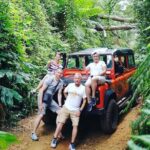
Private cattle farm with a long family timeline
Next comes the northern part of the island region, where farms and working land take over the view. The tour includes an additional private cattle farm visit with a long family history in the trade.
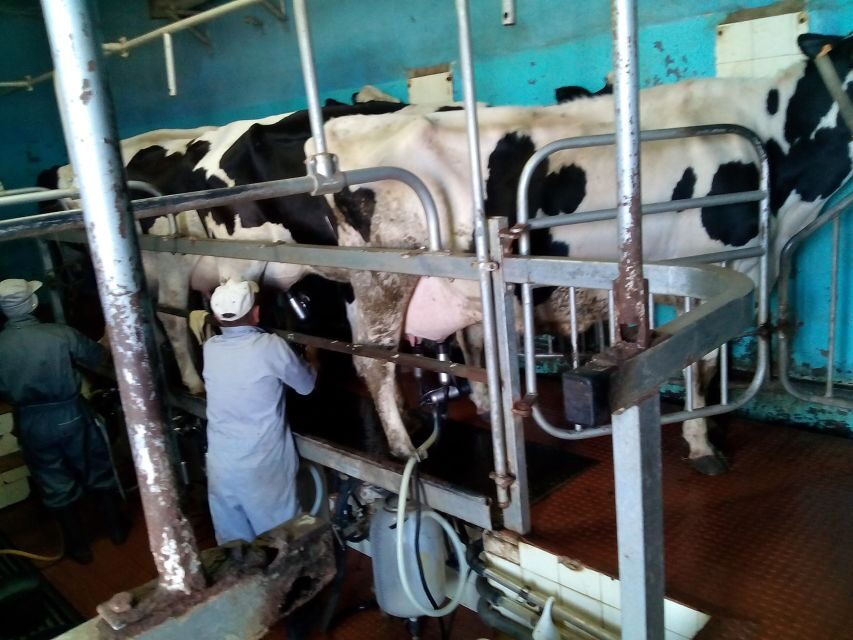
This stop matters because it links you to Madeira’s food culture in a very direct way. The farm provides much of the milk used for making requeijão cheese, and you’ll see older milking techniques as part of the experience.
Even if you’re not a cheese person (yet), this is still a meaningful cultural connection. It shows how an island’s agriculture isn’t just about raw output. It’s about tradition, repeated craft, and what families keep passing down.
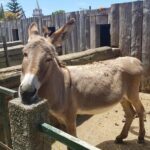
Cows are often an instant win for people traveling with kids, and the tour description also points to animals being part of the experience. If you’re traveling as a family, it’s one of the stops that tends to keep attention without feeling like a gimmick.
Countryside lunch in a cozy rural setting
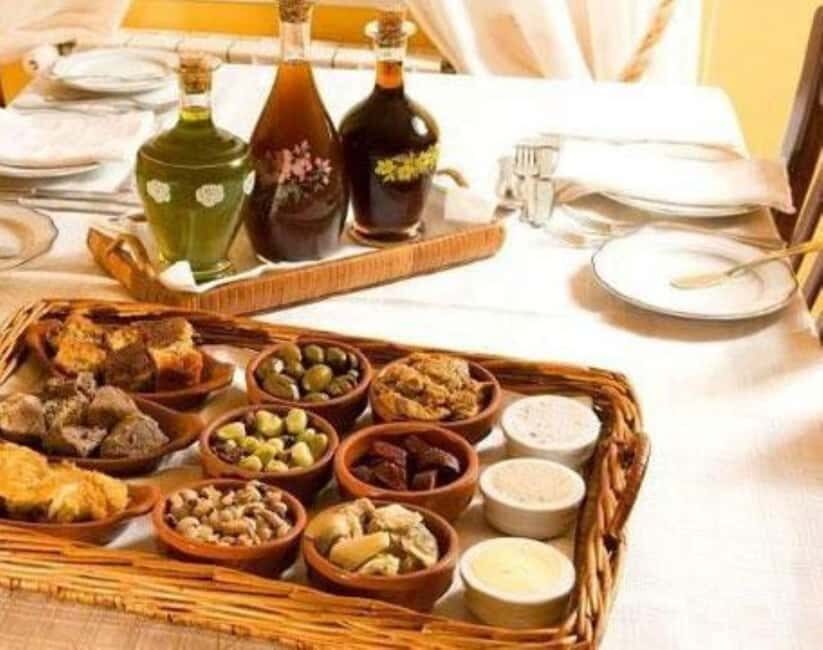
Lunch is where the day becomes comfortable again. After farm and learning time, you drive out to a countryside area where a cozy house restaurant serves a meal prepared like locals do at home.
You can expect:
- fresh baked home bread
- tapas-style local starts
- a main choice of fish or meat
- fresh vegetables
- homemade desserts
- drinks included with the meal, plus coffee
What makes this lunch a value play is that it’s not a quick roadside fix. It’s a proper sit-down meal, and it’s included. For many tours at this price point, food is either basic or overpriced. Here, your meal is built into the day, with local-style portions and desserts that actually feel like someone planned them.
If you’re picky about food, you’ve got the fish-or-meat choice. If you’re flexible, this is a chance to eat in a way that mirrors island rhythm rather than tourist-only menus.
Porto da Cruz rum factory and steam machines
After lunch and countryside stops, you reach Porto da Cruz. This is the sugarcane region side of the day, and it leads you straight into Madeira’s rum story.
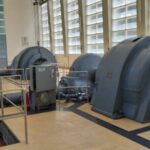
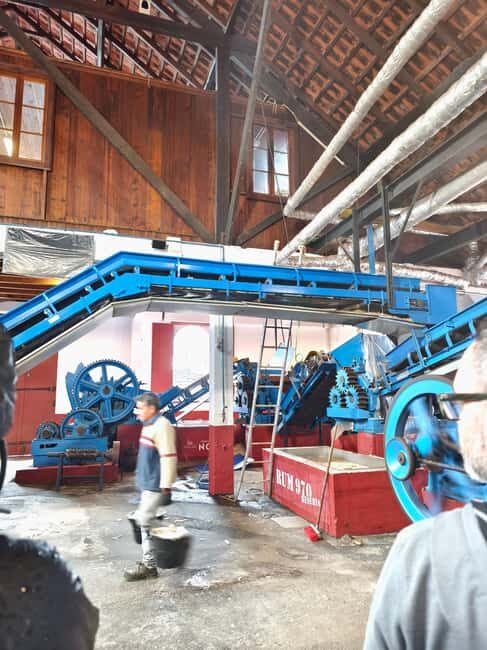
You’ll visit one of the island’s oldest rum factories and see steam machines still used for production. The tour notes that during sugarcane season (April to May), the machines operate. Even when they’re not running on a specific day, you’ll still see the factory’s working history.
The rum tasting included here is a smart finish. It ties the agriculture chain to a product you can recognize and bring home as a souvenir of taste, not just knowledge.
What I like about ending with rum is that it changes the pace. After hours of learning and walking, you get something sensory and relaxed. And Porto da Cruz is often a memorable contrast to the hills and fields you’ve been around.
Small group size: why the day feels personal
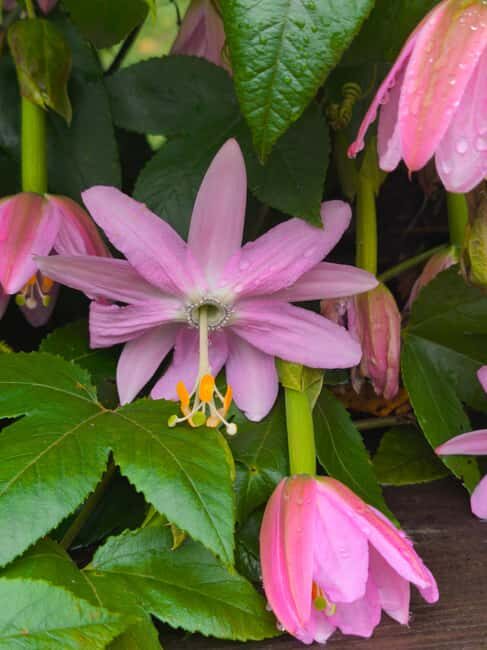
With up to 8 participants, the tour avoids the rushed feeling that bigger group days can have. You’ll be close enough to hear explanations and far enough apart that you can move with ease during stops.
That small size also matters because multiple parts of the day are discussion-friendly: banana business processes, greenhouse grafting, and the cattle farm’s practical craft. A guide can tailor answers more when you’re not competing with a crowd.
It’s also a practical way to manage a 6-hour schedule. You want to fit in field visits, education stops, lunch, and rum without feeling like your only job is waiting for the bus.
Who this tour suits (and who should skip it)
This tour is a strong match for people who want agriculture education with real-world access. If you like food culture, craft, and practical island knowledge, you’ll enjoy this day.
It’s also a decent choice for families with children over 6, since the itinerary includes animal-friendly moments and the day stays upbeat and varied.
But it’s not for everyone. The tour is not suitable for children under 6, and it’s not wheelchair accessible. That’s mainly about the farm/countryside nature of the stops, where surfaces and paths may not work for mobility equipment.
Also, wear warm clothing even if the coast feels mild. You’ll spend time outside, and comfort matters when you’re doing multiple stops in one run.
Should you book the Funchal Agriculture Green Tour?
I’d book it if you want a day that connects Madeira’s agriculture to what you taste—bananas, fruits from the school, cheese-linked milk work, and the rum tradition at Porto da Cruz. The private farm access and the grafting education make it feel more than a simple countryside ride.
I’d think twice if you’re very sensitive to uneven walking, or if your winter expectations are high for ripe banana tasting. The tour itself handles seasonal realities, but your perfect snack moment might look different depending on the month.
Overall, the $100 per person price feels fair because lunch (including drinks and coffee), farm entrances, and rum tasting are built into the experience. You’re paying for structured learning plus real access—plus the kind of meal that actually fills you up.
If you’re in Funchal during the dry season or any time you want a change from viewpoints, this is a smart use of your day.
FAQ
How long is the Funchal Agriculture Green Tour?
The tour lasts 6 hours.
What’s included in the price?
Hotel pickup and drop-off (for Caniço and Funchal areas), entrances to the farms and agriculture school, lunch with tapas, dessert, drinks, coffee, and rum tasting.
Is the group small?
Yes. It’s limited to 8 participants.
Where does hotel pickup happen?
Hotel pickup and drop-off are included for hotels in Caniço and Funchal, with pickup options also listed for Santa Cruz and Garajau. If you’re coming from Ponta do Sol, Calheta, Santana, or São Vicente, you meet the guide on the main road at the Hotel Madeira Panoramico parking area.
What language is the live guide?
The guide can speak Spanish, English, French, and German.
What should I bring and wear?
Wear comfortable shoes and bring warm clothing or a jacket. The tour is not suitable for children under 6 years and is not wheelchair accessible.