REVIEW · MUSEUMS
Caniçal : Madeira Whale Museum Entry ticket
Book on GetYourGuide →Operated by Museu da Baleia da Madeira | Madeira Whale Museum · Bookable on GetYourGuide
Most people plan Madeira for viewpoints and levadas. I like that this one also teaches you how the island made sense of the sea. The Madeira Whale Museum in Caniçal is a focused visit that mixes life-size whale and dolphin models with stereoscopic 3D films, so it feels equal parts museum and experience.
What I really appreciate is the museum’s pull in two directions: the ethnographic collection (tools, personal recollections, and records tied to whaling) plus a clear link to today through scientific research and conservation projects. One thing to consider: this isn’t a waterfront whale-spotting tour. If you’re hoping for marine life outside in real time, you’ll still enjoy the museum, but it’s an indoor learning stop.
In This Review
- Key things to know before you go
- Madeira Whale Museum in Caniçal: what you’re paying for
- Entering the museum: how to get the most from your visit
- Life-size whale models and 3D films: the part that makes it click
- Madeira’s whaling story through ethnographic artifacts
- Research and conservation: how the museum connects past to present
- Temporary exhibition: why it’s worth showing up even if you’ve read about it
- Audio guide strategy: using the 5 languages well
- Timing it with your Madeira day in Machico area
- Who should book this museum ticket?
- Book it or pass? My honest take
- FAQ
- Where is the Madeira Whale Museum?
- How much does the Caniçal Whale Museum ticket cost?
- How long is my ticket valid?
- What’s included with the ticket?
- What languages are available on the audio guide?
- Is the museum wheelchair accessible?
- Do seniors or young students get a reduced price?
- Should you choose this if you want flexible plans?
Key things to know before you go
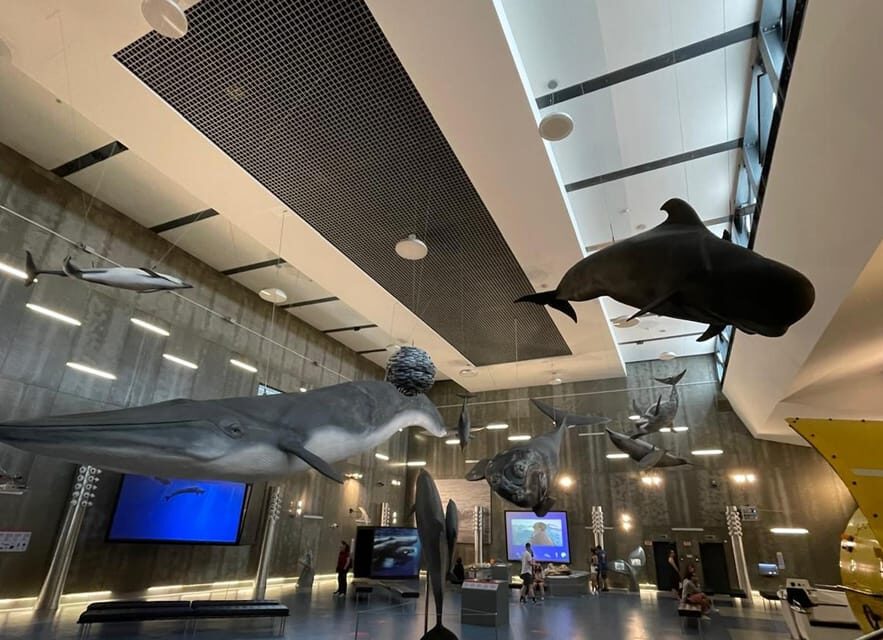
- Life-size whale and dolphin models make the ocean feel close, even indoors
- Interactive stereoscopic 3D films help you understand what you’re looking at
- Ethnographic artifacts connect whaling to Madeira’s everyday past through tools and personal records
- Temporary exhibition included so your ticket feels more than just a fixed display
- Audio guide device in 5 languages (English, French, German, Portuguese, Spanish) keeps you from missing details
- Scientific research and conservation projects show the museum isn’t stuck in the past
Madeira Whale Museum in Caniçal: what you’re paying for
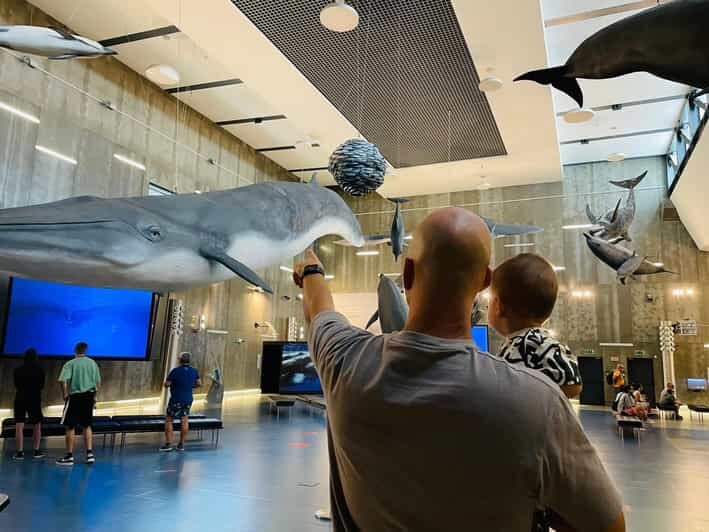
At $11 per person, the ticket feels very fair for what you get. You’re not just buying entry to a room with photos. Your admission includes an individual audio guide device and access to both the main exhibits and a temporary exhibition. That combo matters on islands like Madeira where time is tight and weather can flip fast.
The museum is based in Caniçal, a fishing town in the municipality of Machico. That location helps you understand the theme. This isn’t a far-off attraction dropped into the countryside. It’s part of the same coastal Madeira life that historically depended on sea work.
Also, the museum has a serious track record. It began in 1990 and later moved into a state-of-the-art facility in September 2011. You can feel that in the way the exhibits are set up for modern interpretation, especially the 3D film experience and the large-scale models.
You can also read our reviews of more tours and experiences in Madeira


Entering the museum: how to get the most from your visit
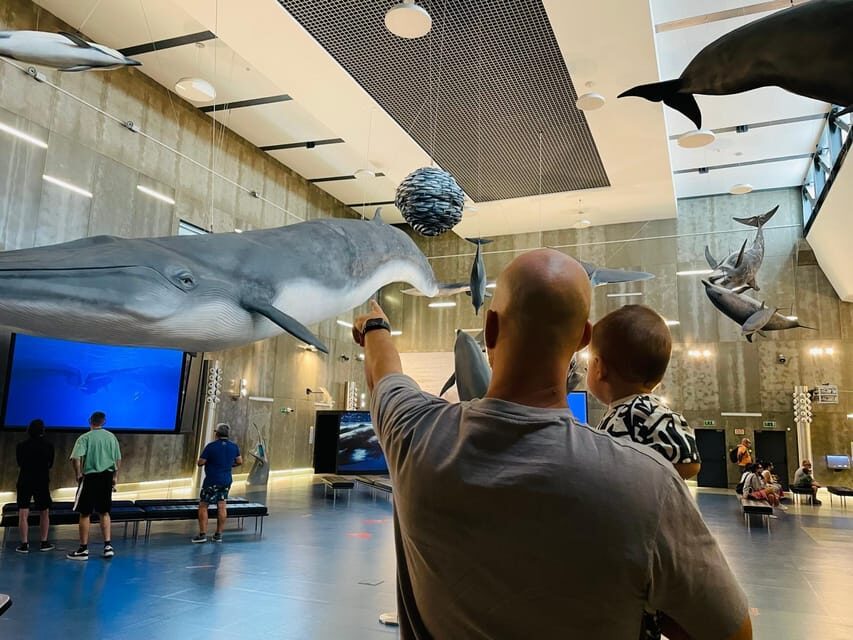
When you arrive, plan to treat this like a “guided” visit even though you’re independent. The audio guide device is the key. It’s provided as an individual unit, and you can listen in English, French, German, Portuguese, or Spanish. That’s a big advantage if you’re traveling with someone whose language isn’t yours.
A smart approach is to start with the main sections that connect three ideas in order: Madeira and the sea, the legacy of whaling in Madeira’s waters, and what the museum is doing now with research and conservation. If you jump randomly from model to film to artifact, you may still have fun, but you’ll miss the way the museum stitches the story together.
Your ticket is valid for one day. That means you can visit at whatever starting time is available during your plans, but you’ll want to choose a slot that fits your day. If you’re doing hikes and scenic drives earlier, you’ll appreciate an indoor museum later when you want to slow down.
Life-size whale models and 3D films: the part that makes it click
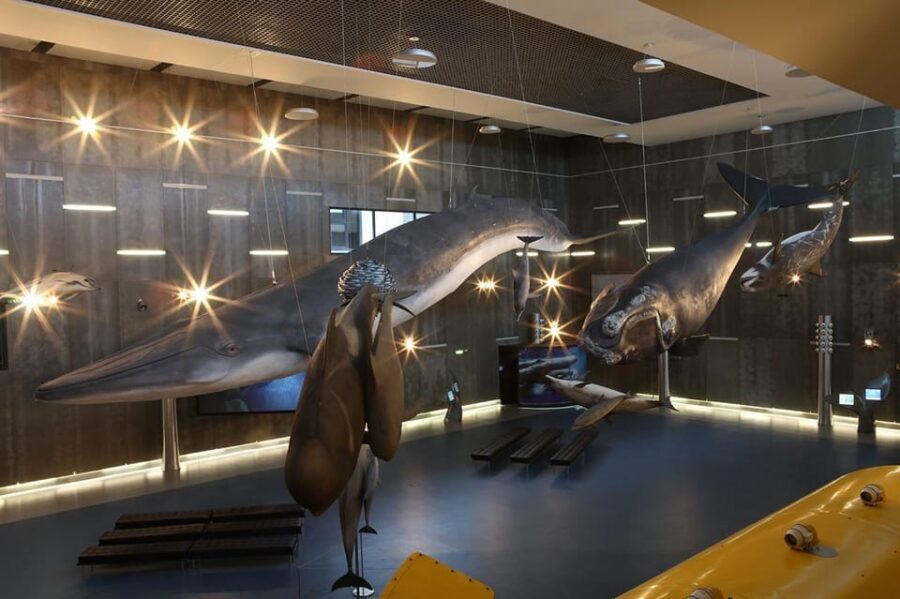
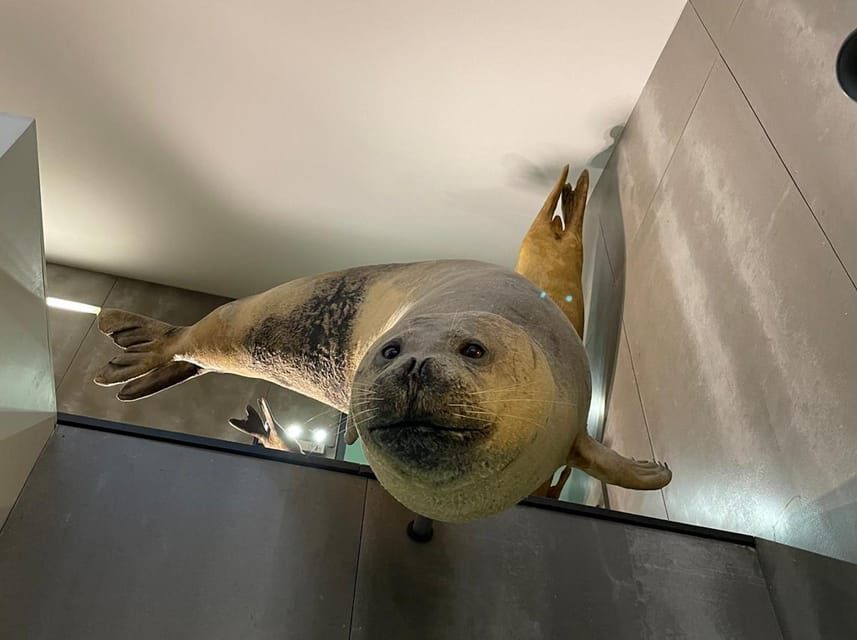
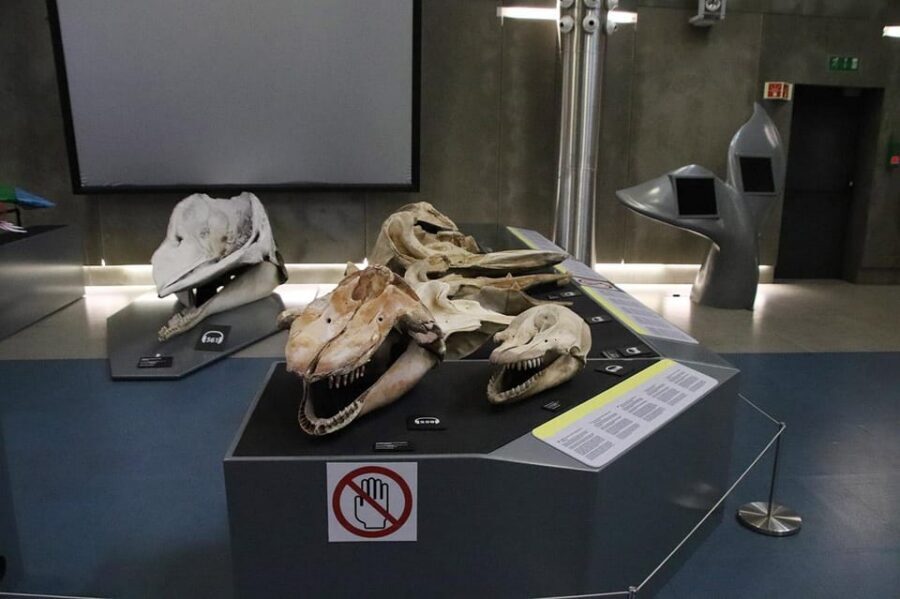
Some museums show you whales with static images. This one uses scale. You’ll see life-size models of whales and dolphins that make it easier to picture size, shape, and movement. That matters because many people have only a vague mental image of ocean giants. Big models turn “interesting” into “I get it.”
Then comes the stereoscopic 3D films. Because they’re interactive and stereoscopic, they can feel like the ocean has stepped into the museum room for a bit. The value here isn’t just that it’s fun. It’s that 3D works well for explaining motion and relationships between marine creatures and their environment.
If you like museums where you can learn without feeling lectured, this section is where the ticket earns its keep. It gives your eyes a strong anchor point before you move into the artifact storytelling.
Madeira’s whaling story through ethnographic artifacts
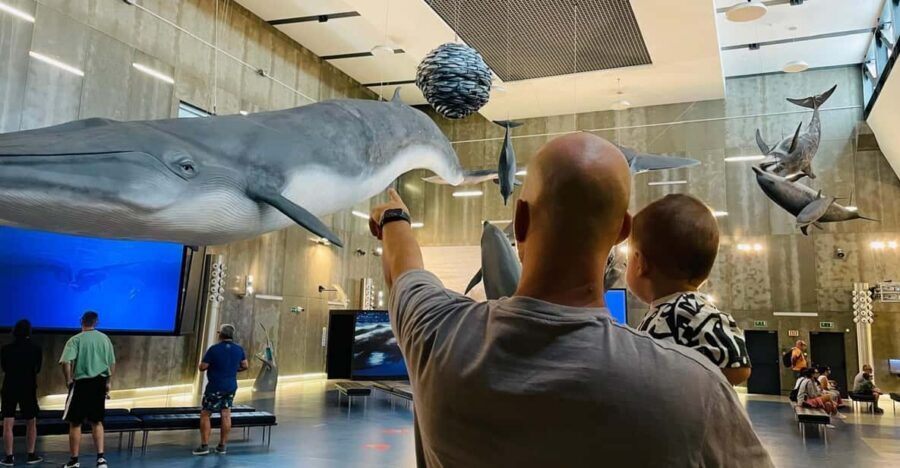
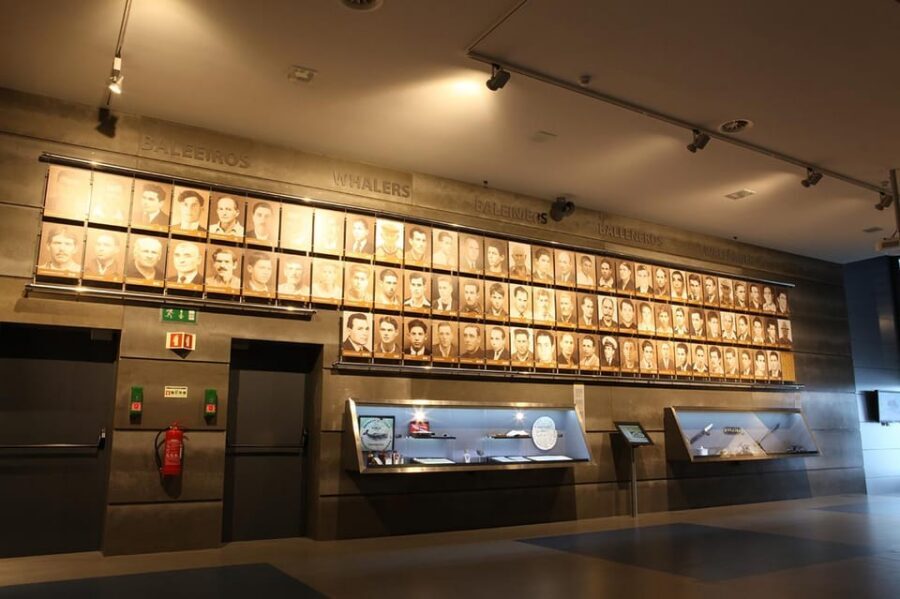
The heart of the museum’s educational side is the ethnographic collection. Instead of only focusing on headlines and dates, the exhibits highlight how whaling lived inside Madeira’s communities. You’ll see traditional tools, personal recollections, and detailed records that trace the story through the 20th century.
This is the part where you’ll get the most meaning from slowing your pace. Look at the tools like you’re understanding a trade, not just collecting trivia. Personal recollections add a human layer that purely historical displays often skip. And the records help connect individual experience to larger patterns.
One practical thought: if you’re the kind of visitor who reads every label, you’ll likely spend more time here than you expect. If you prefer a quicker pass, focus on the artifact sections first, then use the audio guide to fill in context as you go. Either way, the exhibit structure helps you understand the legacy as something tied to Madeira’s identity and work life.
Research and conservation: how the museum connects past to present
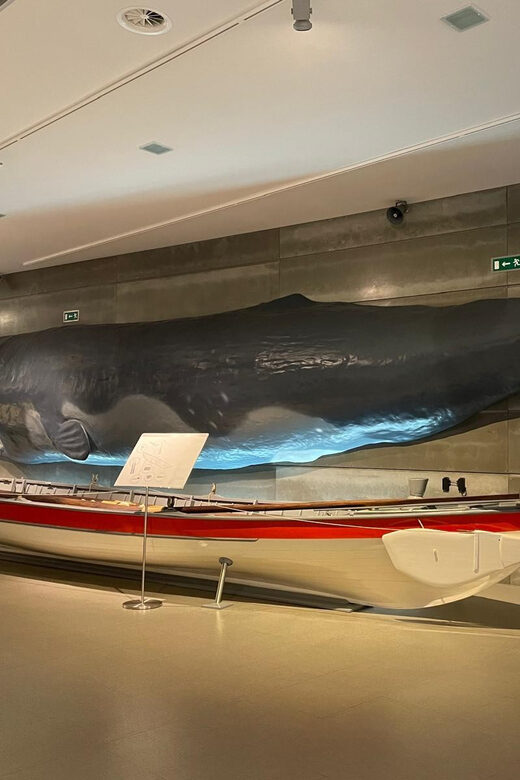
A lot of museum themes could easily stop at preservation—keep the past behind glass, done. Here, the museum pushes forward. It’s actively engaged in scientific research and marine conservation projects, and that’s woven into the visitor experience.
For you, that matters because it changes the emotional tone. You’re not just learning about whaling as a historical chapter. You’re also seeing that marine knowledge today is part of the same ocean story. The museum highlights marine life around Madeira and emphasizes the need to protect it for future generations.
If your brain likes cause-and-effect, this section is satisfying. It answers the unspoken question visitors usually carry: so what now? Here, the museum doesn’t leave you hanging.
You can also read our reviews of more museum experiences in Madeira



Temporary exhibition: why it’s worth showing up even if you’ve read about it
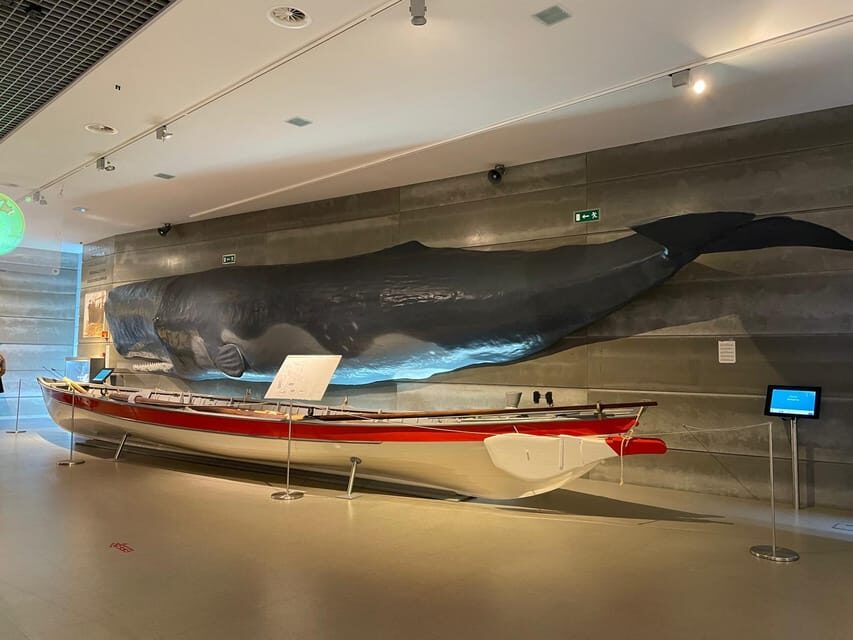
Your entry ticket also includes a temporary exhibition. Even though you can’t predict exactly what’s on display on your travel dates, the key point is the museum isn’t a one-and-done static experience. A temporary exhibit can add a fresh angle—often a different lens on the sea, Madeira, or marine science.
For planning, I treat this as a small insurance policy against disappointment. If you’ve already read a bit about Madeira whaling history before you arrive, the temporary exhibit gives you another reason to stay curious during your visit.
Audio guide strategy: using the 5 languages well
The audio guide is included with your ticket, and it’s available on a dedicated device in five languages: English, French, German, Portuguese, and Spanish. That’s the practical side. The fun side is how much easier it is to understand what you’re seeing when someone is giving you context in your language.
Here’s how I’d use it without turning the museum into a chore:
- Start the audio guide early so you know what to pay attention to in the first rooms.
- Pause for a bit before 3D films and large models. Let your eyes get used to scale.
- When you reach the artifact areas, listen for mentions of tools, records, or personal recollections. Those are the details that make the story feel real.
If you’re traveling with kids, the audio guide can also help keep attention moving. Still, the museum experience is more learning-focused than hands-on crafts, so expect a museum pace.
Timing it with your Madeira day in Machico area
Because the ticket is valid for one day and you should check availability for starting times, you’re not stuck with a single rigid schedule. Use that flexibility to build a realistic day.
In Madeira, weather can force changes. If fog or rain hits, this is a great option. It’s also handy if you’ve already done a heavy day of viewpoints and want a calmer indoor block where you can sit, listen, and reset.
If you’re based near Machico or planning to explore the east side of the island, Caniçal is a logical cultural stop. And since the museum mixes maritime heritage with science and conservation, it works for a wide range of interests, from history-minded travelers to people who just want something meaningful and different.
Who should book this museum ticket?
This is a strong fit if you want:
- Marine-focused storytelling that connects Madeira’s past to today’s conservation
- A visit with clear highlights like life-size models and 3D film content
- A museum experience that’s not only visual, because the audio guide helps you actually understand the context
You might think twice if you’re expecting:
- An outdoor whale-watching trip
- A casual, extremely short stop where you can sprint through in 20 minutes
For most people, though, the value comes from the mix. You learn the whaling legacy through artifacts and personal records, then you get the modern angle through research and conservation. It’s a complete theme, not a single exhibit theme wearing a costume.
Book it or pass? My honest take
I’d book the ticket if you’re even mildly curious about how Madeira’s communities related to the sea. For $11, you get a museum experience with included audio, 3D film, life-size models, and a temporary exhibition—that’s a lot of content per euro.
If your travel style is only outdoor thrills and you’re hunting for spontaneous wildlife sightings, you may still like the exhibits, but treat it as a learning stop rather than a nature event.
Either way, this one belongs on a Madeira itinerary when you want something more than scenery. It helps you read the island’s coastline with better eyes.
FAQ
Where is the Madeira Whale Museum?
The Madeira Whale Museum is located in Caniçal, Madeira, Portugal, within the municipality of Machico.
How much does the Caniçal Whale Museum ticket cost?
The entry ticket price is $11 per person.
How long is my ticket valid?
The ticket is valid for 1 day. You should check availability to see starting times.
What’s included with the ticket?
Your ticket includes entry to the Whale Museum, a temporary exhibition, and an individual audio guide device.
What languages are available on the audio guide?
The audio guide device is available in English, French, German, Portuguese, and Spanish.
Is the museum wheelchair accessible?
Yes, the museum is wheelchair accessible.
Do seniors or young students get a reduced price?
Yes. Young students aged 7 to 12 and seniors above 65 can access reduced prices, and reduced tickets can be booked on the spot.
Should you choose this if you want flexible plans?
If you want flexibility, you can book now and pay later, and you can cancel up to 24 hours in advance for a full refund.